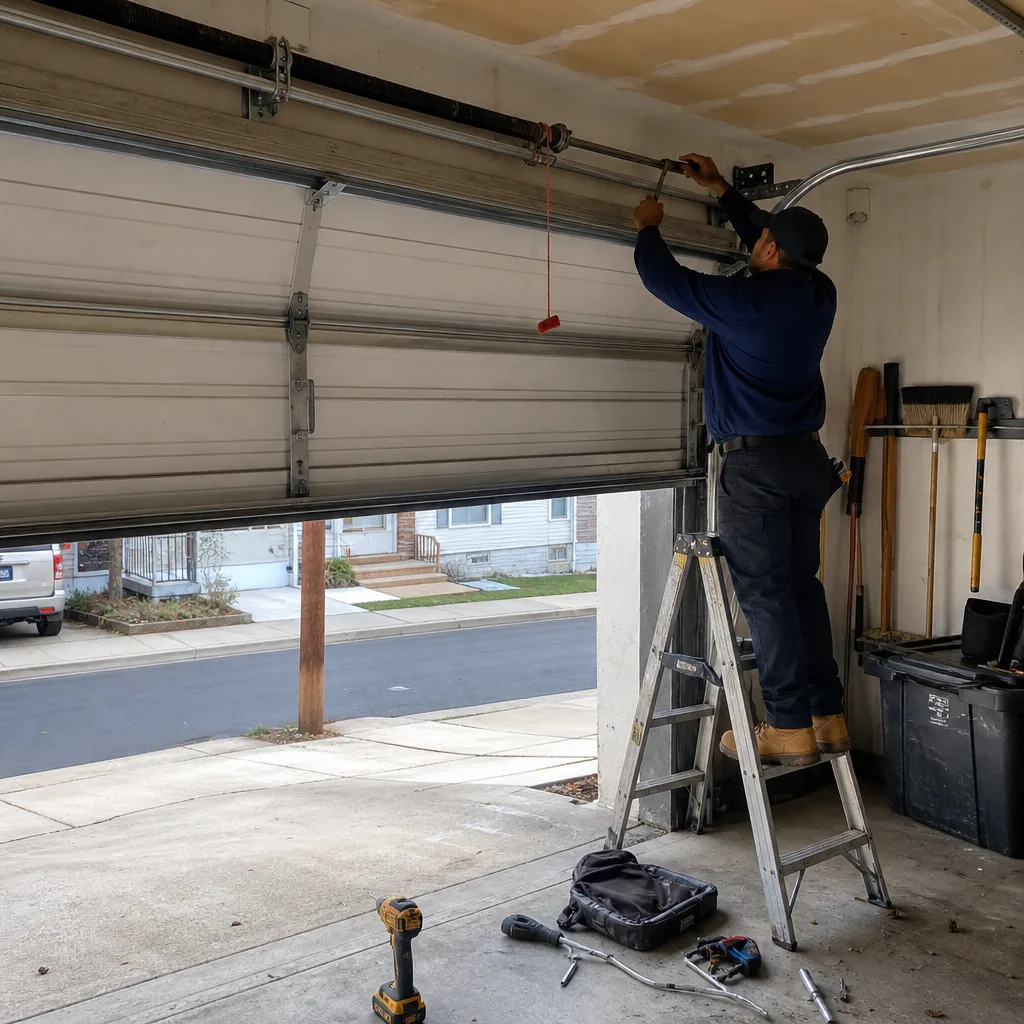
Last updated November 23, 2026
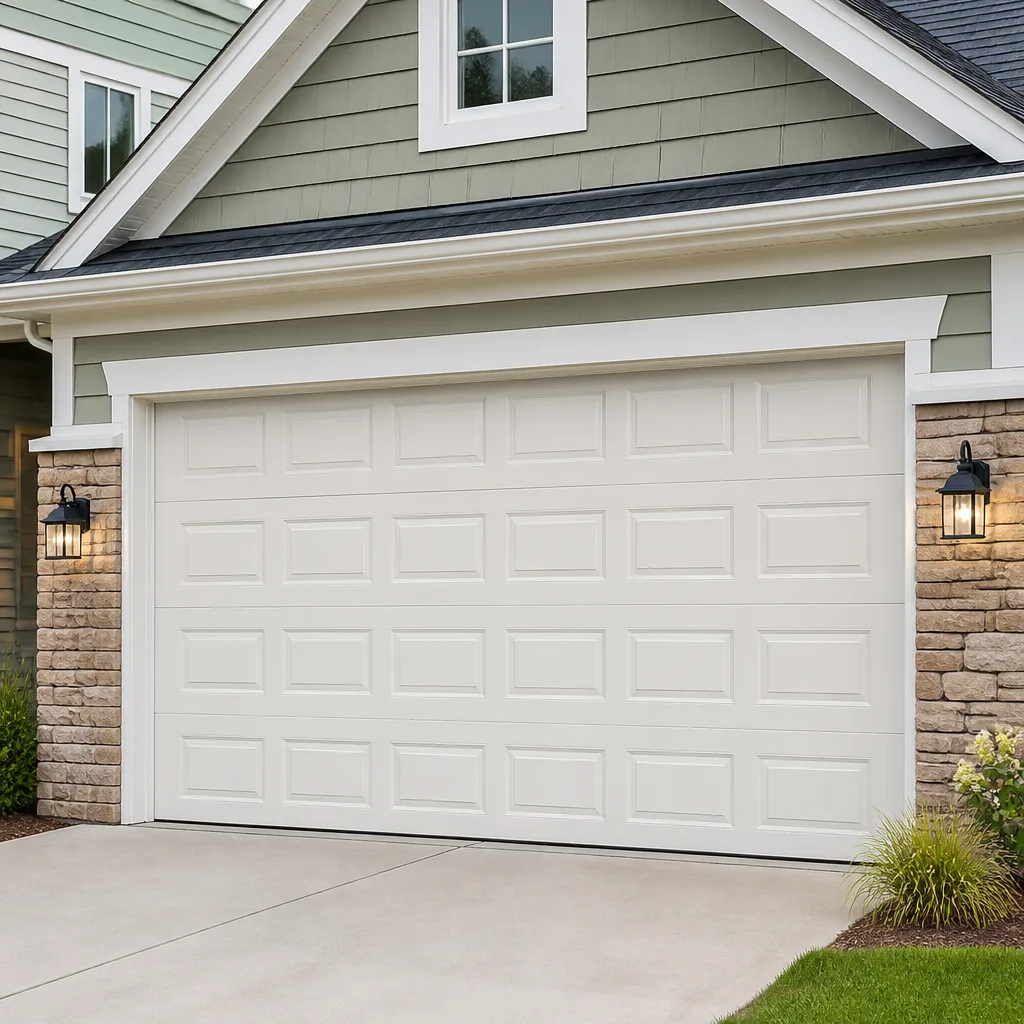 Raised-panel steel
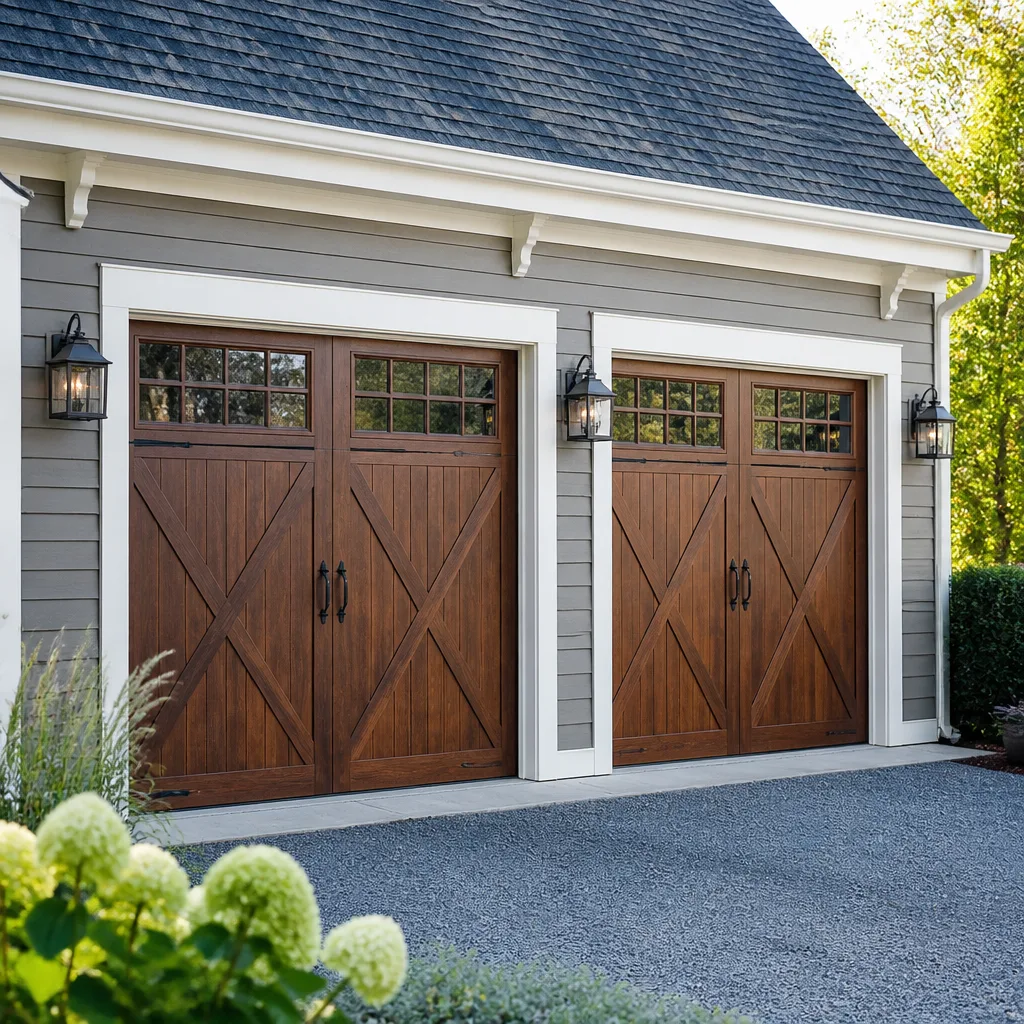 Carriage house
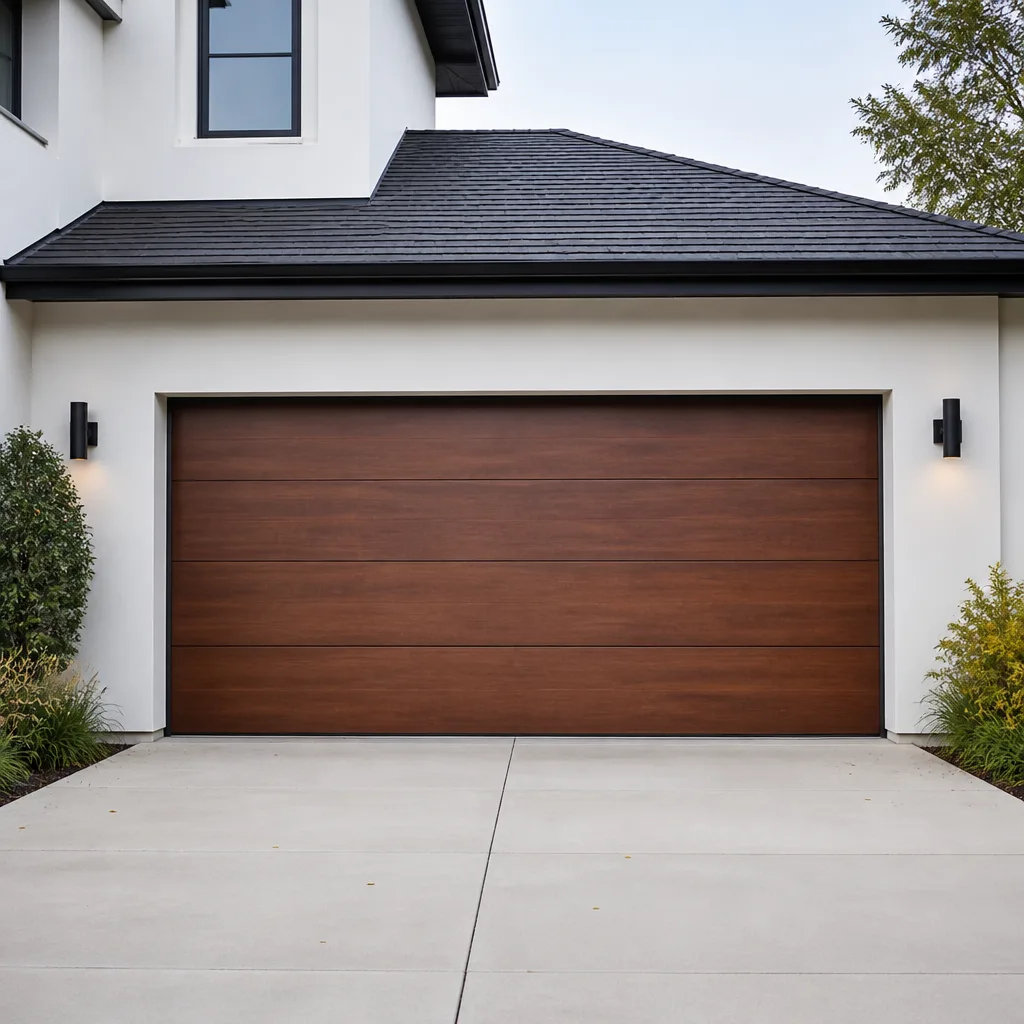 Modern flush
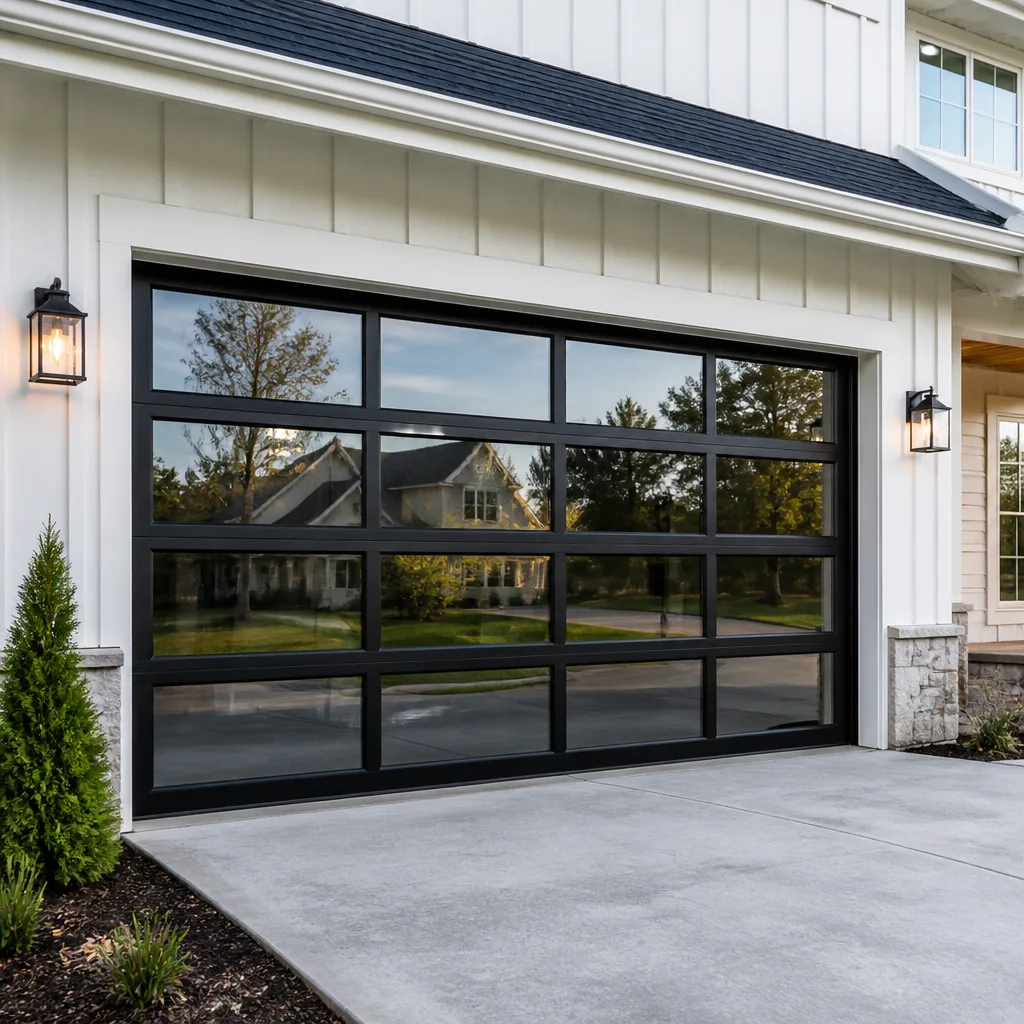 Full-view glass
 LiftMaster openers
 Chamberlain openers
Full 25-point door and opener safety check with every visit - springs, cables, rollers, tracks, and your LiftMaster or Chamberlain opener included
You get a price before we start. It does not change when the pro arrives.
Get your free estimateSeasonal Garage Door Care for Long Beach: Year-Round Homeowner’s Guide
Most garage door advice you’ll find online was written for a place with four gentle seasons and no storm season at all. Here in Long Beach, the calendar that matters isn’t spring-summer-fall-winter. It’s hurricane season, the nor’easter window, the summer sun that cooks a south-facing door, and the salt that rides in on the wind all year. A door that’s perfectly fine in April can be a liability by September if nobody’s checked the anchoring and the hardware. This guide lays out what to inspect and when, month by month, so your door keeps working when the weather turns. You’ll get a quarterly walk-around routine, a pre-hurricane checklist, and a clear line between what you can safely check yourself and what needs a technician.
Quick Answer
Seasonal garage door care in Long Beach means checking the door against four distinct local stressors: hurricane-season wind and anchoring (inspect by late May), winter nor’easter aftermath (rinse and inspect tracks and weatherstripping after each storm), summer heat stress on springs and opener sensors, and year-round salt exposure on hardware and finishes. A 15-minute inspection once a quarter catches most problems before they become failures. Anything involving springs, cables, or the door’s balance is a job for a trained technician, not a weekend project.
Styles & brands we work with
- Raised-panel steel
- Carriage house
- Modern flush
- Full-view glass
- LiftMaster openers
- Chamberlain openers
Table of Contents
- Why Long Beach Garage Doors Age Differently
- The Pre-Hurricane Season Checklist (Do This by Late May)
- After the Nor’easter: The Winter Recovery Protocol
- Spring: Corrosion Assessment, Not Just Lubrication
- Summer Heat, Torsion Springs, and Sun-Baked Sensors
- The 15-Minute Quarterly Walk-Around That Catches Most Problems
- Long Beach Garage Door Care: Month-by-Month at a Glance
- What You Can Check Safely vs. What Needs a Technician
Why Long Beach Garage Doors Age Differently
Long Beach sits on a barrier island, and that shapes everything about how a garage door wears. The wind here doesn’t just blow; it carries moisture and salt spray that settle on hinges, rollers, springs, and the door’s finish. A hinge that would last a decade inland can start to seize in half that time if it’s never cleaned. The same goes for the bottom weather seal, which takes the brunt of wind-driven rain and grit during storm season. We’ve seen doors where the paint looked fine but the rollers underneath were grinding on rust.
Then there’s the storm calendar. Hurricane season runs from June through November, and the nor’easter window overlaps it in fall and stretches into winter. That means Long Beach homeowners face two distinct wind events per year, not one. A door that was anchored for calm weather is being asked to hold up to sustained gusts and driving rain twice annually. The anchoring, the wind bracing, and the hardware integrity are what stand between a working door and a repair call.
The third factor is sun. Many garages here face south, full afternoon exposure. That heat loads the torsion spring, warms the opener motor, and can fog the safety sensors’ alignment as the housing expands. None of this is dramatic on any single day. Over a summer, it adds up.
What all this means is that a generic “lubricate twice a year” routine doesn’t cut it in Long Beach. You need a maintenance calendar built around storm risk and salt exposure, not just the thermometer. The rest of this guide builds that calendar for you.
The Pre-Hurricane Season Checklist (Do This by Late May)
Hurricane season starts June 1, and the work that protects your door needs to happen before then. This isn’t about fear; it’s about the fact that a garage door is one of the largest openings in your home, and it needs to be sound when wind arrives. Here’s what to check, in order, by late May.
- Inspect the anchoring and mounting hardware. Look at where the tracks and the header bracket attach to the framing. Loose lag screws, rusted brackets, or gaps around the fasteners are the first sign a door isn’t ready for wind. Tighten what’s loose; replace what’s rusted.
- Test the balance of the door. Disconnect the opener (pull the release cord with the door fully closed) and lift the door halfway by hand. It should stay put. If it drops or rises on its own, the springs are out of balance, and that’s a technician call before storm season.
- Check the wind bracing. Many doors in Long Beach have vertical or horizontal reinforcement struts. Confirm they’re attached and not bent. A door rated for wind load loses that rating the moment a strut comes loose.
- Inspect the bottom seal and side weatherstripping. Torn or flattened seals let wind-driven rain in and can flap loose in a gust. Replace them before the season.
- Clear the tracks and test the opener. Run the door through a full open-close cycle. Listen for grinding or hesitation. A door that’s sluggish in May will be worse in September.
- Confirm the manual release works. If the power goes out during a storm, you need to be able to disengage the opener and lift the door by hand. Test it now, not during an outage.
If any of this feels beyond a visual check, that’s normal. A pre-season inspection is exactly the kind of thing a specialist does quickly. You can reach us at (855) 337-1762 for a free estimate, and we’ll tell you straight whether the door is storm-ready or needs work.
After the Nor’easter: The Winter Recovery Protocol
The storm passes, the wind drops, and most people forget about the door until something breaks. The days after a nor’easter are actually the most important maintenance window of the winter. Wind-driven rain and salt spray have just been pushed into every hinge, roller, and track, and if you leave it there, corrosion starts working immediately.
Here’s the post-storm protocol, in order:
- Rinse the door and hardware with fresh water. A garden hose is enough. You’re not pressure-washing; you’re flushing the salt and grit out of the hinge joints, rollers, and track channels. Do this within a day or two of the storm if you can.
- Dry and inspect the tracks. Wipe down the tracks and look for grit, sand, or debris lodged in the channels. A single grain of sand under a roller causes wear every time the door moves.
- Check the weatherstripping for freezing damage. When the bottom seal takes on water and then freezes, it stiffens and can tear or pull away from the door. A stiff, frozen seal drags on the floor and puts extra strain on the opener motor every cycle. If the seal is cracked or rigid, replace it.
- Look at the springs and cables for rust bloom. Surface rust on a torsion spring is a warning sign, not a cosmetic issue. Don’t touch the springs yourself; note it and call a technician if you see it.
- Test the opener’s force and travel. Cold weather thickens lubricants and stiffens seals, so the opener works harder. If the door reverses for no reason or stops short, the opener is straining and needs adjustment.
Frozen weatherstripping is the quiet culprit here. A seal that’s stiff with ice drags on the floor through every cycle, and the opener motor absorbs that resistance. Left alone, a motor that was fine in October starts overheating by February. Replacing a worn seal is a small job that protects a much more expensive one.
Spring: Corrosion Assessment, Not Just Lubrication
Every garage door maintenance article tells you to lubricate in spring. That’s fine advice, but in Long Beach it misses the point. Spring is when you assess what winter storm season did to the metal. By the time the last nor’easter has passed, your hinges, rollers, springs, and fasteners have been through months of salt-laden wind and rain. Lubrication without inspection is like waxing a car with a rusted frame.
Start with a corrosion survey, working from the bottom up:
- Hinges: Look for rust at the pivot points. White or orange bloom around a hinge pin means moisture has been sitting there. Clean and lubricate, or replace if the hinge is stiff.
- Rollers: Nylon rollers wear flat and metal rollers rust. Either way, a roller that doesn’t spin freely is dragging the door. Spin each one by hand.
- Tracks: Check for rust along the channel, especially near the bottom where water pools. Light surface rust can be cleaned and treated; deep pitting means replacement.
- Springs: Look for rust streaks on the coils. Rust on a torsion spring is a safety issue, not just a maintenance item. This is a visual check only. Never touch, adjust, or attempt to unwind a spring.
- Fasteners: Rusted lag screws and bolts lose holding power. Check the brackets at the tracks and header.
Once you’ve cleaned and assessed, then lubricate: hinges, rollers, and the torsion spring (a technician can do the spring safely), using a garage-door-specific lubricant rather than general-purpose oil that attracts grit. For a door that’s showing real corrosion or balance problems, garage door repair is the right call before the problem spreads to the opener or the panels.
Spring is also the season to think about the door’s finish. Salt spray and sun work on paint and powder coat year-round. If the finish is chalking or peeling, touch it up before summer heat bakes the damage in.
Summer Heat, Torsion Springs, and Sun-Baked Sensors
Summer is when the heat does its quiet work. Two things take the most punishment: the torsion spring and the opener’s safety sensors.
The torsion spring. A torsion spring stores energy by being wound, and heat changes how metal behaves. On a south-facing garage in Long Beach, the door and the spring behind it can sit in direct afternoon sun for hours. That heat cycling, day after day, is what eventually causes a spring to lose tension or snap. You can’t prevent a spring from failing forever, but you can catch the warning signs: a door that feels heavier than usual, an opener that struggles to lift it, or a gap between the door and the floor when it’s closed. Our garage door spring repair technicians handle these because torsion springs are under extreme tension and are genuinely dangerous to touch. If you suspect a spring is going, call before it fails.
The safety sensors. The two small sensors at the bottom of the tracks are mounted low and often face the sun. As the housing heats and cools, the alignment can drift, and a misaligned sensor stops the door from closing or makes it reverse. Symptoms are a door that goes down a few inches and comes back up, or a blinking light on the opener. Before calling, check that nothing (a leaf, a cobweb, a kid’s toy) is blocking the lens and that the sensors face each other squarely. If they’re clear and the door still won’t close, an opener technician can realign or replace them.
The opener motor. A garage that heats up in summer makes the opener work harder, especially if the door’s balance is off. If you have a LiftMaster or a Craftsman unit and it’s laboring in July, it’s usually telling you the door needs adjustment, not that the opener is dying. A quick diagnostic beats a needless replacement.
The 15-Minute Quarterly Walk-Around That Catches Most Problems
Here’s the habit that does the most good for the least effort: a 15-minute walk-around four times a year. You don’t need tools beyond a rag, and you don’t need to touch anything under tension. Do it once each season and you’ll catch the majority of issues while they’re still cheap to fix. Long Beach homeowners who do this tend to avoid the surprise failures that show up as emergency calls.
Run through this list in order:
- Visual sweep of the door (2 minutes). Stand back and look at the panels for dents, cracks, or separation. Look at the finish for rust or peeling. Check the bottom seal for tears.
- Balance test (3 minutes). With the door closed, pull the opener release. Lift the door halfway and let go. It should hold. Reconnect the opener afterward.
- Hardware check (3 minutes). Look at the hinges, rollers, and track brackets. Spin a couple of rollers by hand. Look for rust bloom or loose bolts. Tighten only what’s clearly loose and safe to reach.
- Track and seal inspection (3 minutes). Run a finger or a rag along the track channel for grit. Check that the weatherstripping still meets the floor on all sides.
- Opener and sensor test (4 minutes). Run the door through a full cycle. Watch and listen for hesitation or grinding. Wave something in front of the safety sensors to confirm the door reverses. Check that the wall control and remotes work.
Note anything you find and the date you found it. A simple log on your phone is enough. Patterns show up fast; if the same hinge is stiff every quarter, it’s time to replace it rather than keep lubricating. For the mechanical parts that carry tension or need adjustment, garage door repair in Long Beach covers the fixes the walk-around turns up.
Long Beach Garage Door Care: Month-by-Month at a Glance
Here’s the same advice compressed into a calendar, so you know what to do when. Keep this on the fridge and you’ll never wonder when the next check is due.
- January: Post-storm rinse and track inspection after any nor’easter. Check weatherstripping for freeze damage.
- February: Watch for opener strain from stiff seals and cold lubricants. Test the safety reverse.
- March: Spring corrosion survey. Clean and lubricate hinges and rollers. Check fasteners.
- April: Touch up finish and paint. Confirm the balance is correct before summer heat.
- May: Pre-hurricane season inspection. Anchoring, wind bracing, hardware integrity, manual release test.
- June: Hurricane season begins; the door should already be storm-ready. Monitor opener performance in early heat.
- July: Summer heat peak. Watch torsion spring behavior and safety sensor alignment.
- August: Hottest stretch. Pay attention to a door that suddenly feels heavy.
- September: Hurricane season peak. Recheck anchoring and clear the tracks of grit.
- October: Fall storm window opens. Test the manual release and the door’s full cycle.
- November: Hurricane season ends. Post-season inspection of everything winter will stress.
- December: Winter nor’easter prep. Confirm the door closes flush and the seal is intact.
Notice that the two highest-stakes months are May (before hurricane season) and October (before the nor’easter window). If you only do two checks a year, those are the ones. Our Long Beach garage door repair pros build inspections around exactly that calendar.
What You Can Check Safely vs. What Needs a Technician
One of the most useful things a homeowner can learn is where the line sits. Checking is safe. Adjusting, in some cases, is not. Here’s the split.
Safe for you to check and do
- Visual inspection of panels, finish, seals, hinges, and tracks.
- Spinning rollers by hand and wiping down tracks.
- Rinsing the door and hardware with a garden hose after a storm.
- Testing the safety sensors with an object and checking that nothing blocks them.
- Lubricating hinges and rollers with a garage-door-specific lubricant.
- Tightening clearly loose bolts on track brackets that you can safely reach.
Requires a trained technician
- Torsion and extension springs. These are under extreme tension and can cause serious injury if mishandled. Never touch, cut, or adjust a spring. If you suspect one is failing, stop using the door and call.
- Cables and drums. Cables are under tension and can snap with force. Don’t handle them.
- Balance adjustment. Setting the spring tension correctly is a load calculation. Getting it wrong puts strain on the opener and the door.
- Opener electrical work. Any wiring at the opener or wall control is best left to someone trained in it.
- Track realignment. Bent or out-of-square tracks need proper adjustment, not a hammer.
This is why spring work is a named specialty for us, not a side job. It’s one of the highest-risk repairs on any garage door, and it’s the one a homeowner should never attempt. If a spring breaks, the right move is to get the car out if you can, keep the door closed, and call for help. Our garage door spring repair team is set up to respond when a broken spring leaves a car trapped or a home unsecured; it’s a core part of what we do, not an add-on.
Opener work has its own safety concerns. A door that won’t reverse on command is a serious problem, and a sensor that’s failed in the “open” position needs fixing before the door is used again. If your opener is a LiftMaster, Chamberlain, or Genie unit, we know the quirks of those systems. Garage door opener repair is the fix when the sensor, the motor, or the logic board is the problem.
Common Mistakes to Avoid
- Greasing the tracks. Lubricant on the tracks attracts grit and makes the door slide worse. Oil the hinges, rollers, and spring; keep the tracks clean and dry.
- Ignoring the bottom seal. In Long Beach’s wind and rain, a torn seal lets water in and, when it freezes, drags on the opener. Replace worn seals before storm season, not after.
- Skipping the pre-hurricane check. Anchoring and wind bracing only matter when wind arrives. Check them in May, when there’s time to fix what’s loose.
- Using general-purpose oil or WD-40 as a long-term lubricant. It attracts dust and dries out. Use a garage-door-specific lubricant that stays put.
- Assuming a slow door is a dead opener. Usually it’s balance, spring tension, or a stiff seal. Replacing the opener without checking the door itself wastes money.
- Never testing the manual release. If the power goes out during a storm, you need to know the release works. Test it before the season.
- Handling springs or cables yourself. This is the mistake with the highest stakes. Springs and cables are under dangerous tension and belong to a trained technician.
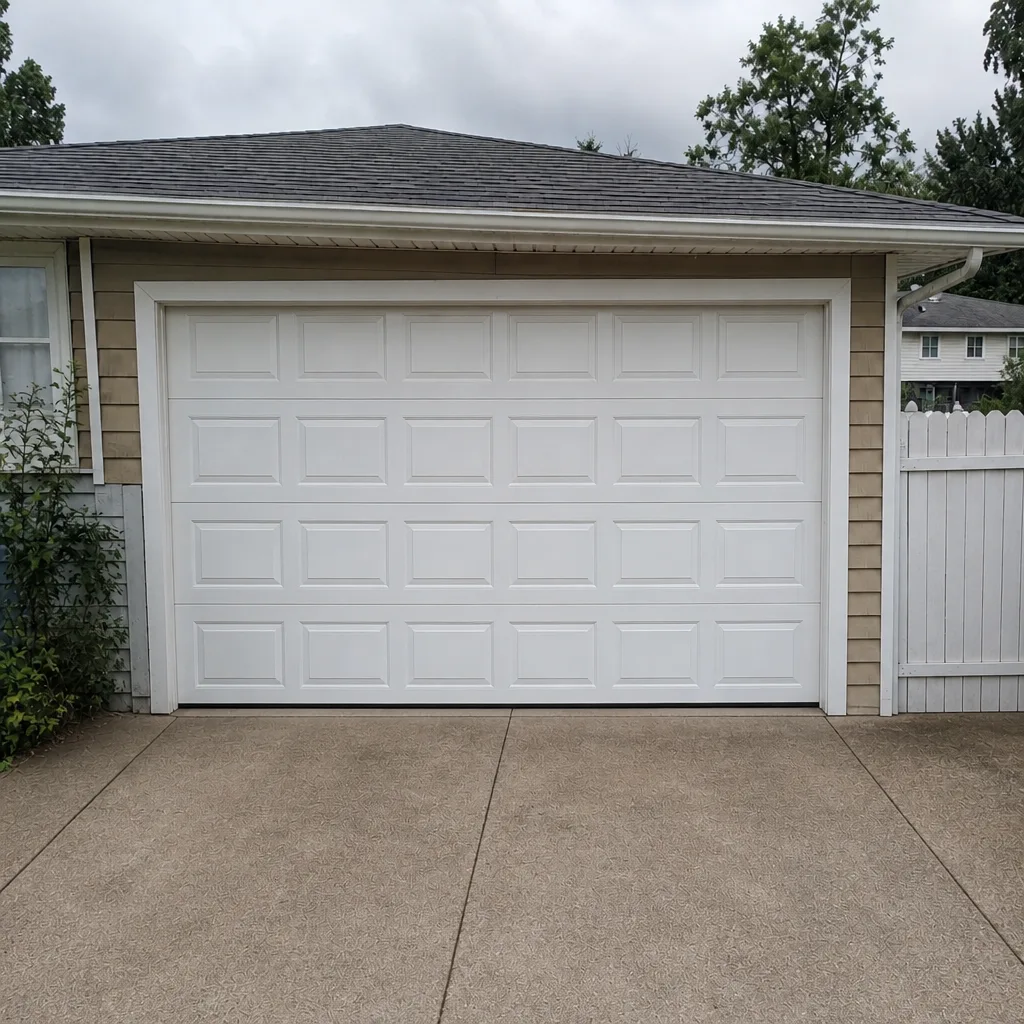
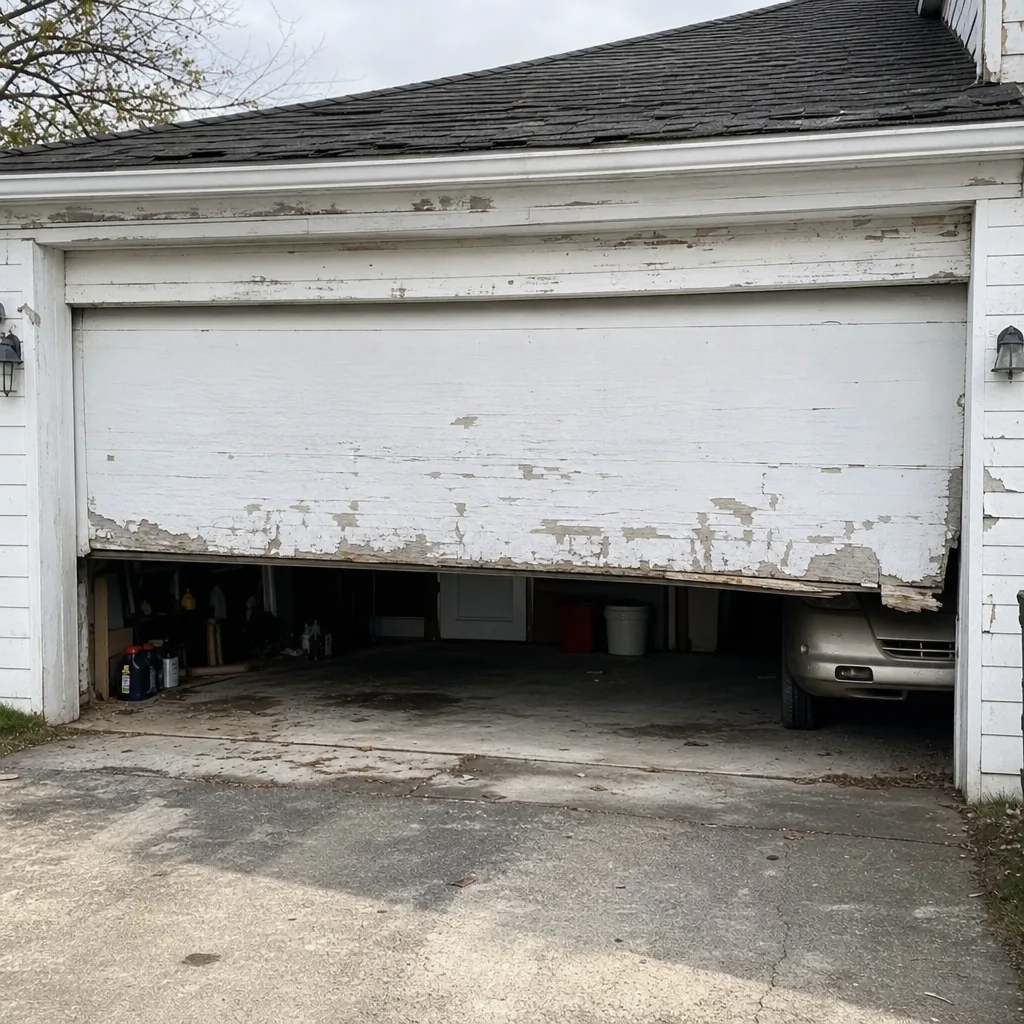
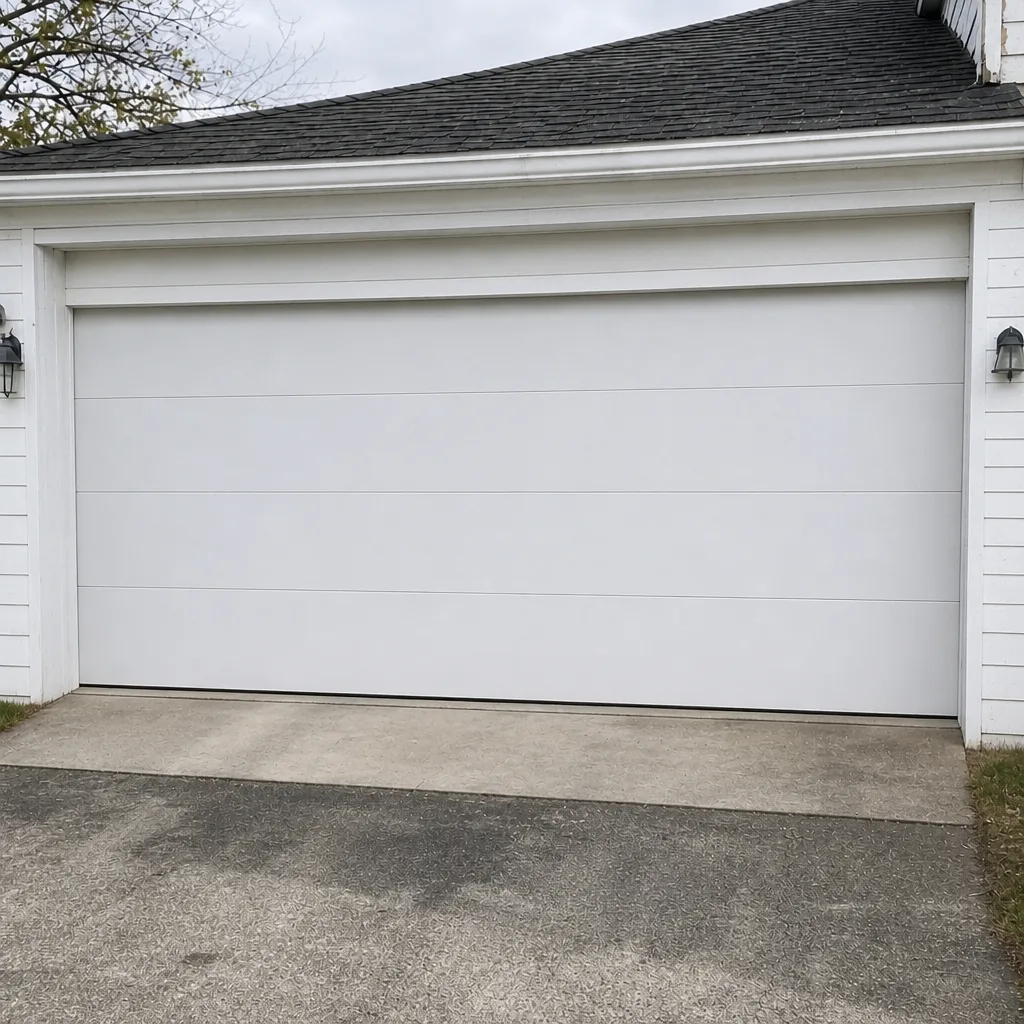
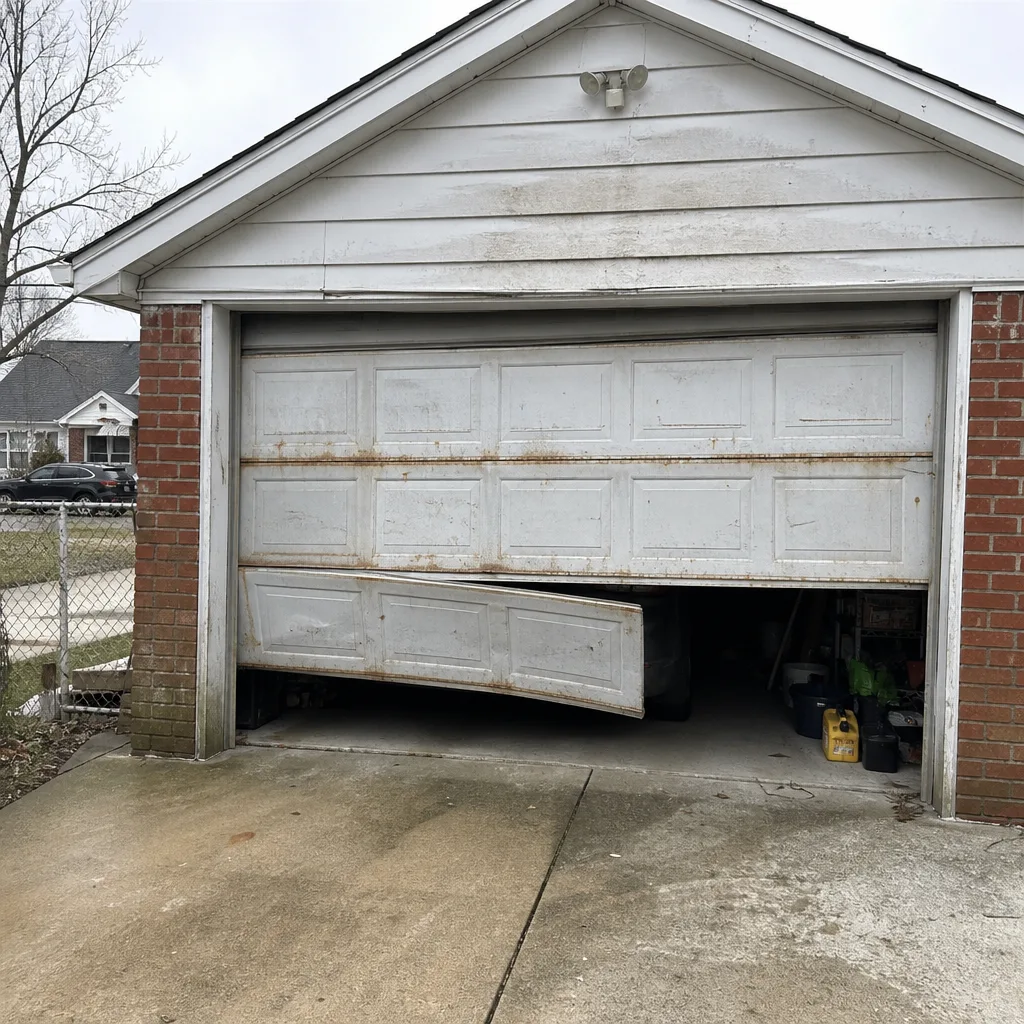
See the difference
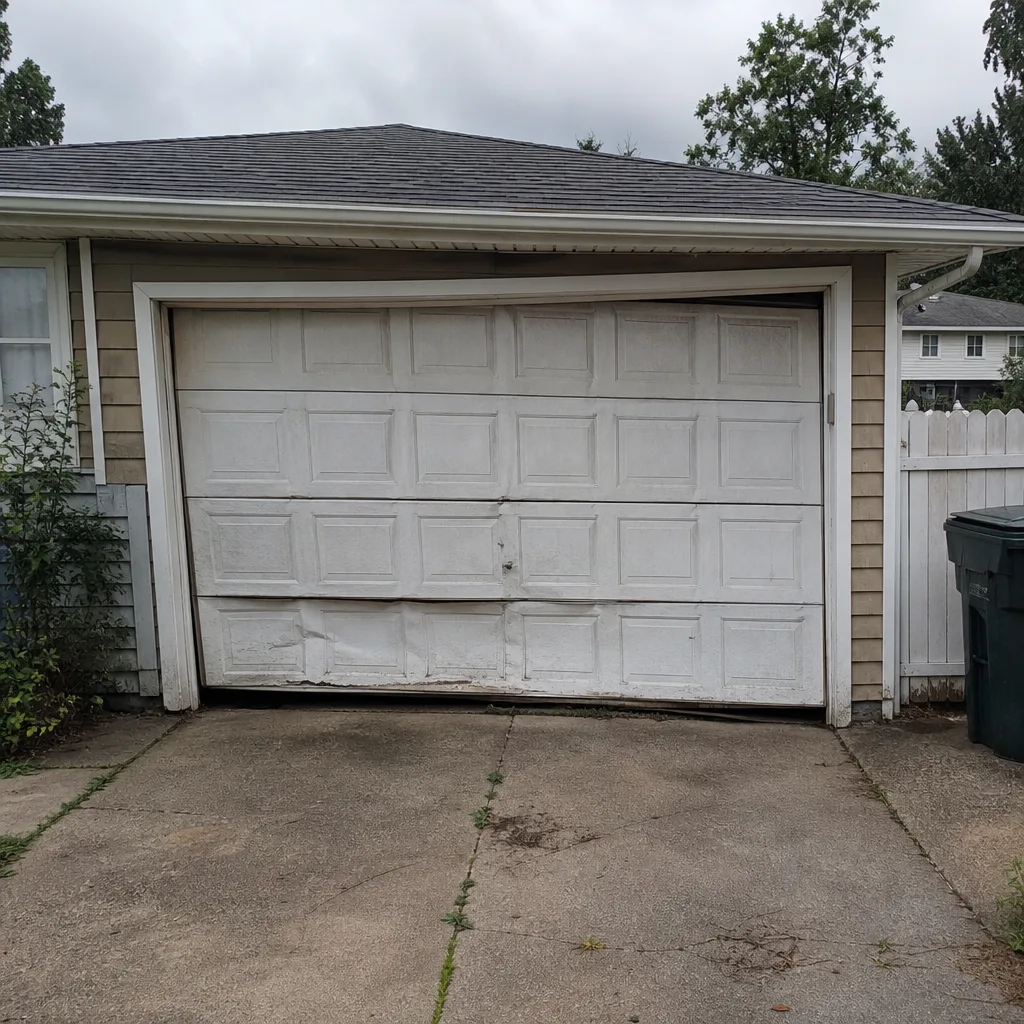 Before
 After
 Before
 After
 Before
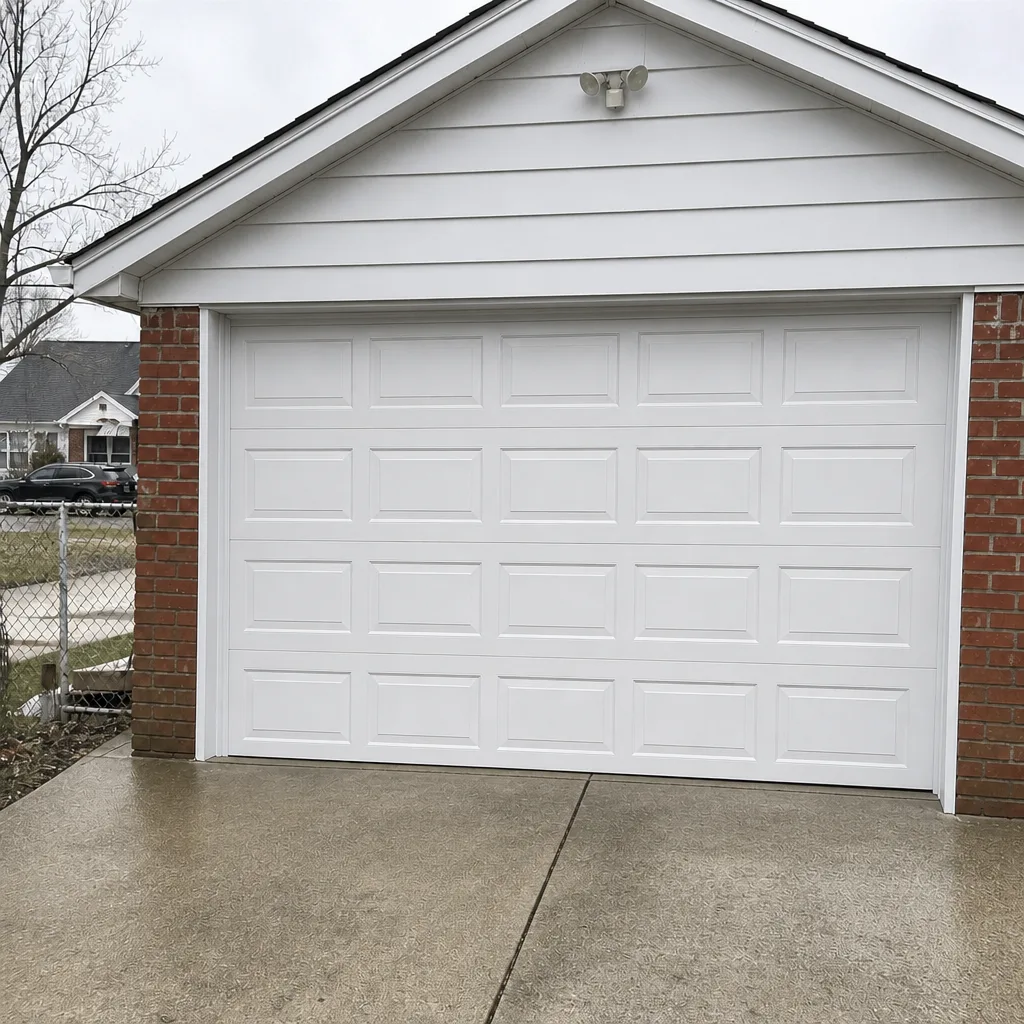 After
When to Call a Professional
Some problems are clearly beyond a walk-around. Call a technician if the door won’t hold halfway when you lift it by hand (a balance or spring issue), if a spring shows rust streaks or a visible gap, if the door is off its track or crooked, if the opener reverses for no reason, if the safety sensors won’t align, or if the door hasn’t been inspected in a long time and you’re heading into storm season. The same goes for a door that suddenly feels heavy or a motor that’s straining. Long Beach Garage Door Repair Pros offers free estimates in Long Beach; call (855) 337-1762 and we’ll tell you what the door needs before it fails on its own schedule.
Frequently Asked Questions
Four times a year is the right rhythm for a barrier-island climate, with the two most important checks in late May (before hurricane season) and in October (before the nor’easter window). A 15-minute walk-around each quarter catches most issues. Springs, cables, and balance work should be inspected by a technician at least once a year.
Summer heat affects two things: torsion spring tension and safety sensor alignment. A south-facing door in direct sun puts heat cycling on the spring, which can make the door feel heavy, while the sensor housing can expand and drift out of line. If the door is sluggish, check the sensors first, then have the spring and balance checked.
Rinse the door and hardware with fresh water within a day or two, inspect the tracks for grit, check the weatherstripping for freeze damage, and test the opener’s cycle and safety reverse. Salt-laden wind drives moisture into hinges and rollers, so the rinse is the most important step. If a spring shows rust, call a technician.
No. Torsion and extension springs are under extreme tension and can cause serious injury if handled wrong. It’s the single most dangerous repair on a garage door. Replacements are a job for a trained technician; if a spring breaks, keep the door closed and call. Our spring repair team handles this safely.
By late May, check the anchoring and mounting hardware, confirm the wind bracing is attached, test the door’s balance by hand, inspect the bottom seal and side weatherstripping, and confirm the manual release works. Tighten loose fasteners and replace rusted ones. If any of that is unclear, get a pre-season inspection.
Yes. Salt spray carried in on the wind settles on hinges, rollers, springs, and fasteners, and speeds up corrosion. A hinge that would last years inland can seize sooner here if it’s never cleaned. Regular rinsing and lubrication, especially after storm season, is what keeps the hardware moving.
The Bottom Line
Long Beach garage doors don’t age by temperature alone. They age by storm cycle and salt exposure, and the maintenance calendar that protects them has to reflect that. Check your anchoring and bracing before hurricane season, rinse and inspect after every nor’easter, look for corrosion in spring, and watch the spring and sensors through summer heat. A 15-minute walk-around each quarter is the habit that does the most good. When something turns up that involves springs, cables, or balance, that’s a technician’s job. Our technicians have up to 11 years of experience, and we’re ready when you need us: call (855) 337-1762 for a free estimate.
Written by the team at Long Beach Garage Door Repair Pros.