Last updated November 23, 2026
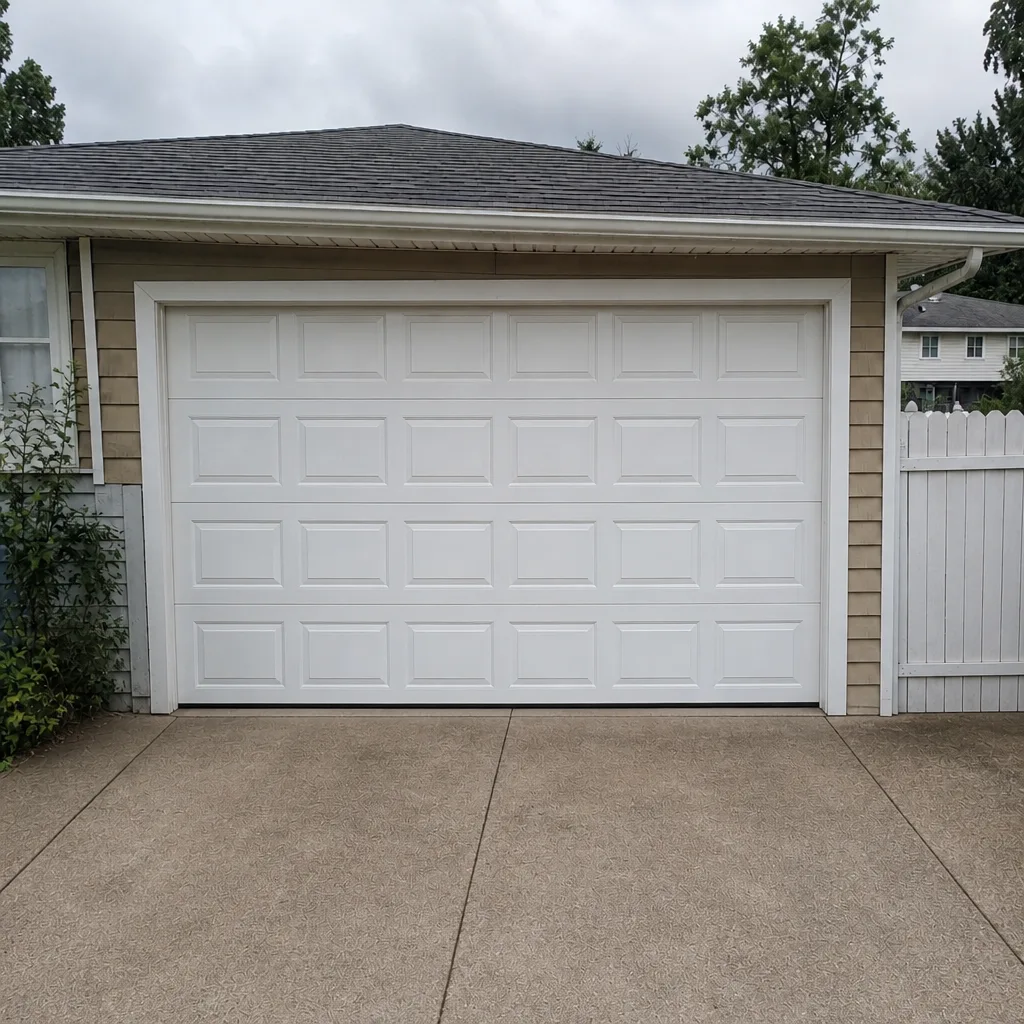
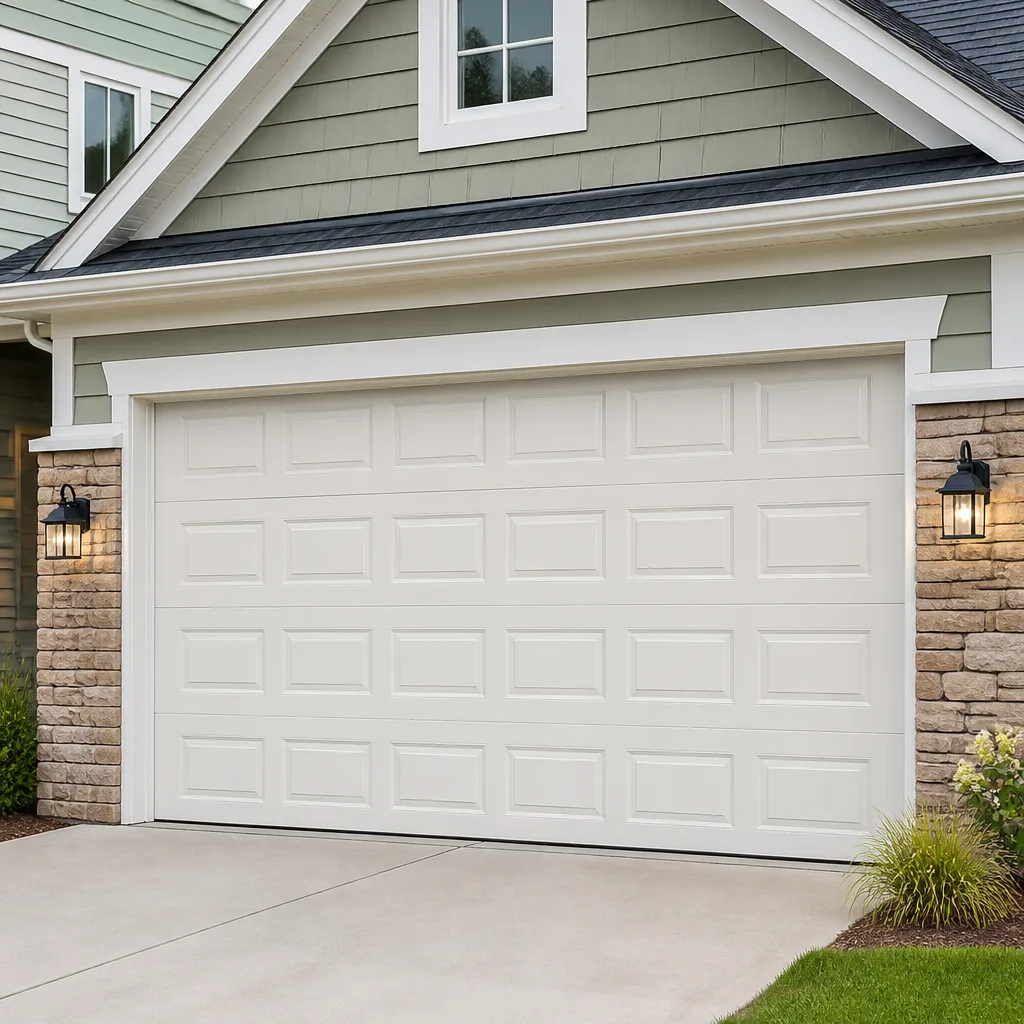 Raised-panel steel
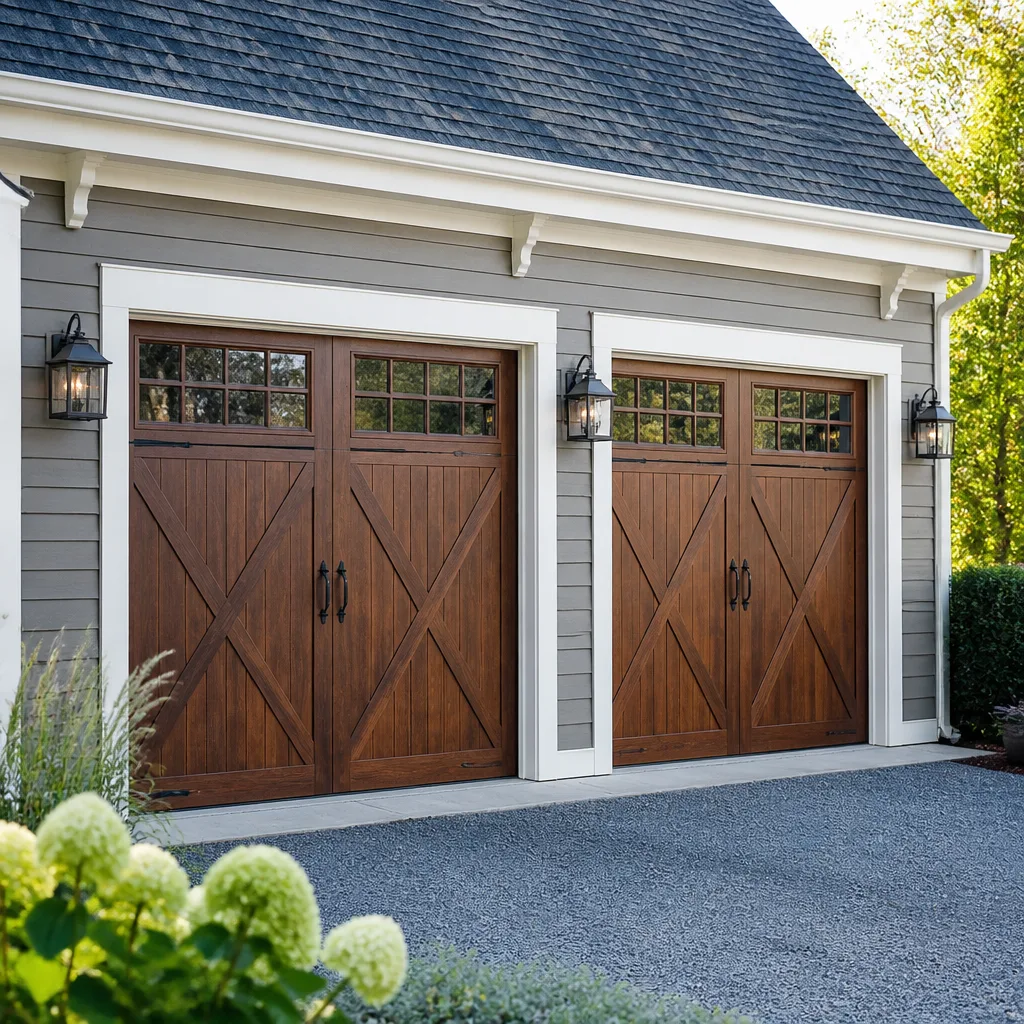 Carriage house
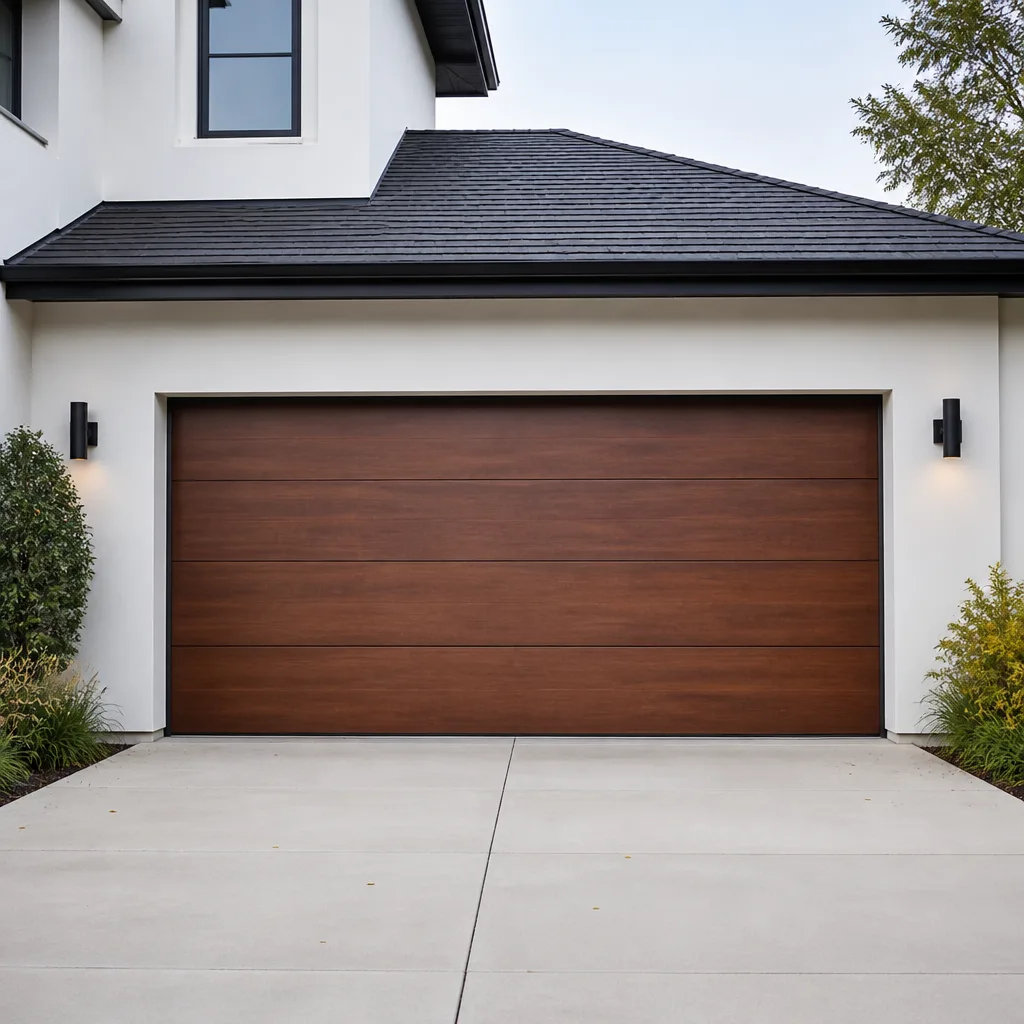 Modern flush
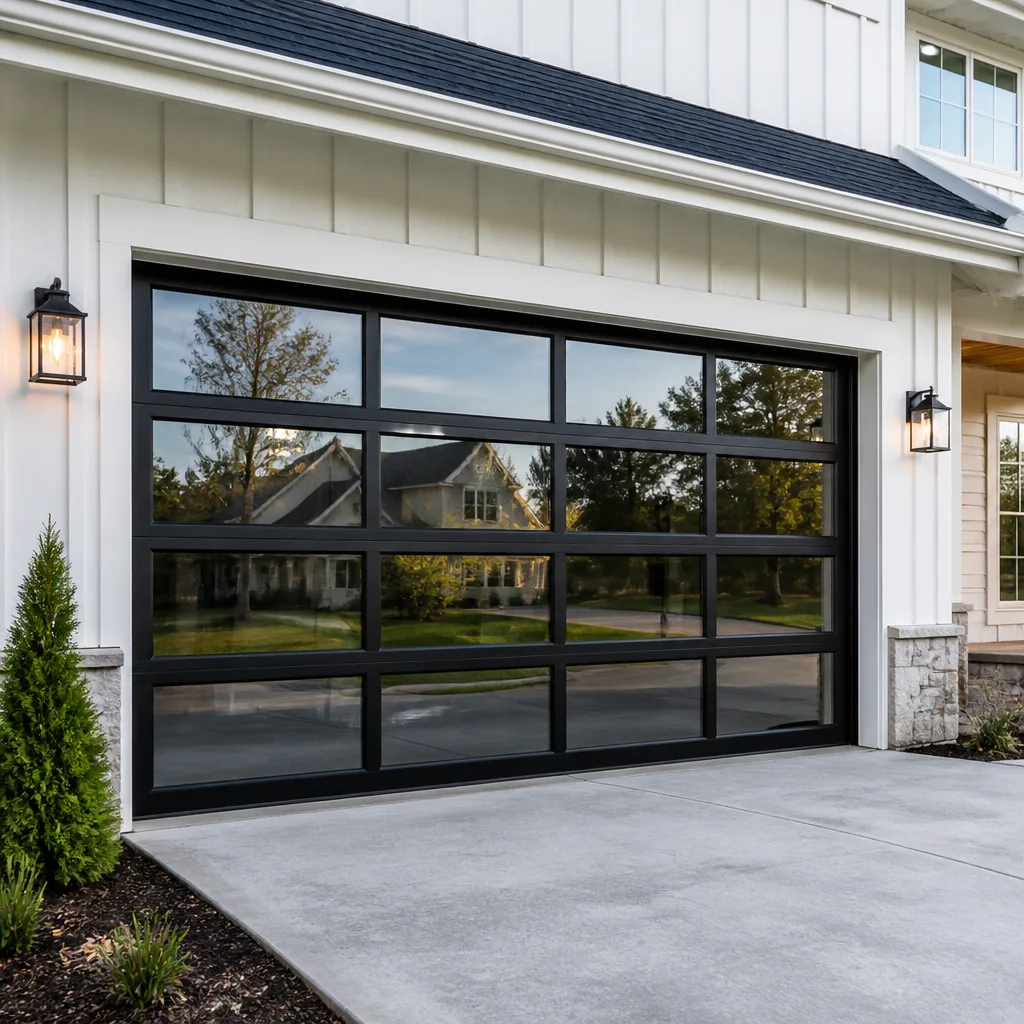 Full-view glass
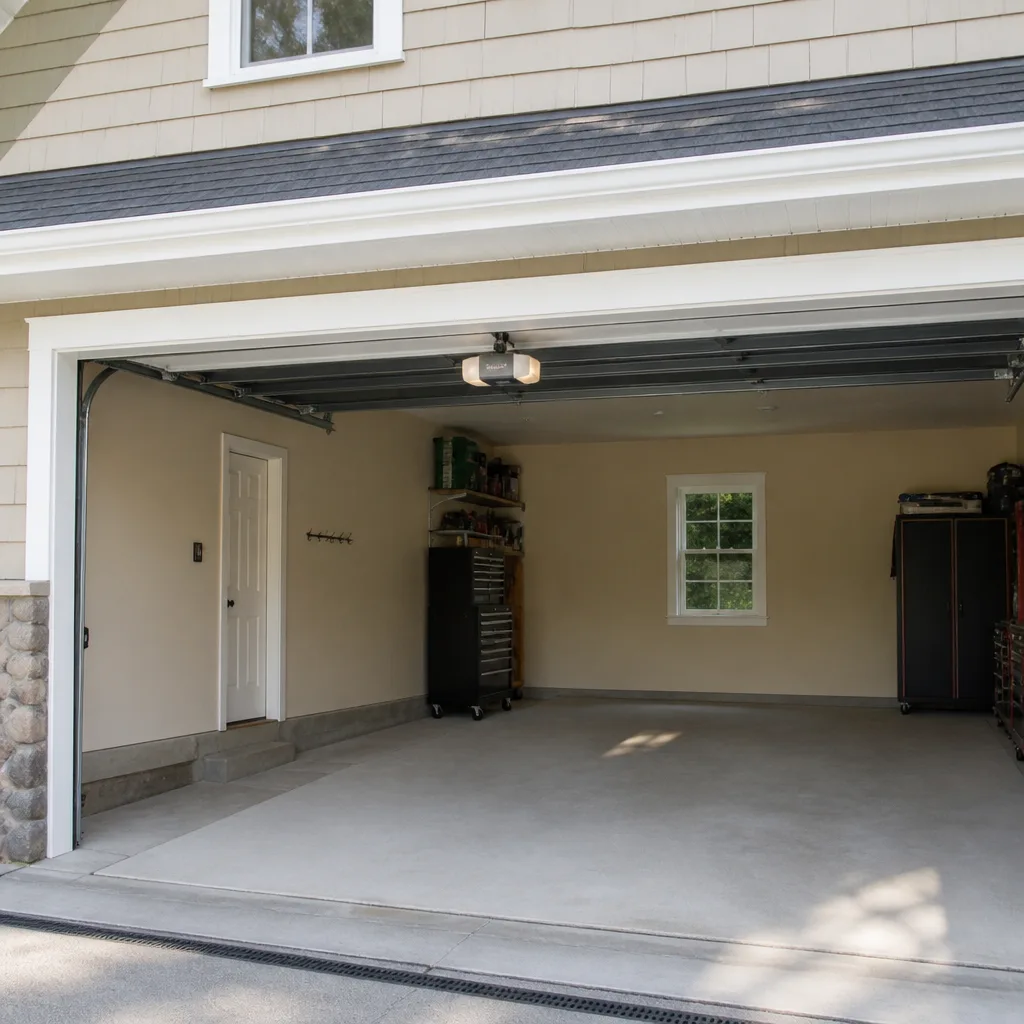 LiftMaster openers
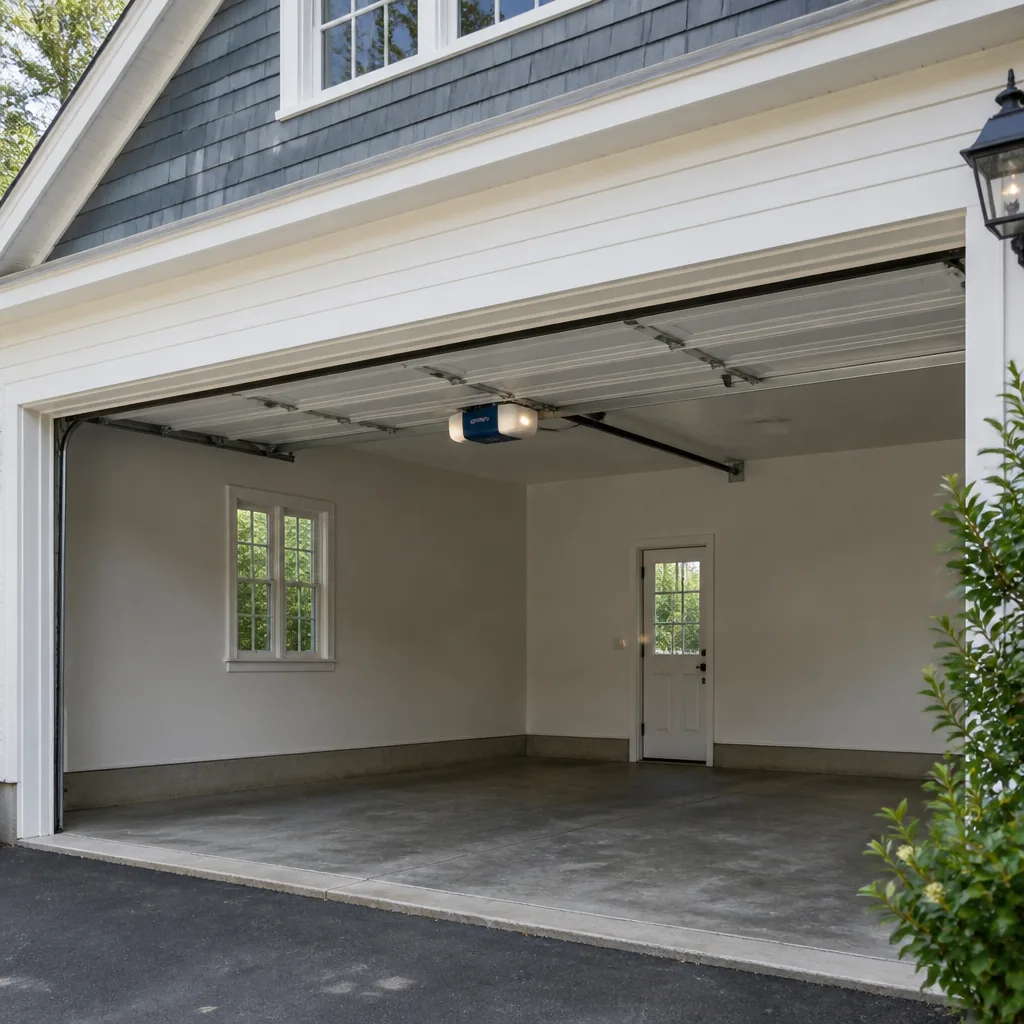 Chamberlain openers
Full 25-point door and opener safety check with every visit - springs, cables, rollers, tracks, and your LiftMaster or Chamberlain opener included
You get a price before we start. It does not change when the pro arrives.
Get your free estimateDIY vs Professional Garage Door: The Long Beach Homeowner’s Decision Guide
Torsion springs store enough energy to cause serious injury when released. That’s not a scare tactic, it’s physics, and it’s the single best reason to ignore the “just watch a video first” advice that floats around for garage door work. But here’s the part most guides skip: some garage door tasks really are homeowner-friendly. Lubricating hinges, aligning safety sensors, replacing a remote battery, these are afternoon jobs, not calls for help. The tricky part is knowing where the line falls. In this guide we’ll walk through Long Beach homeowners’ real decision points: which tasks you can safely handle, which ones genuinely belong to a professional, how local permit rules affect replacement work, what DIY actually costs in tools and time, and where insurance and warranty concerns change the math. By the end you’ll have a clear, task-by-task picture instead of a vague “it depends.”
Styles & brands we work with
- Raised-panel steel
- Carriage house
- Modern flush
- Full-view glass
- LiftMaster openers
- Chamberlain openers
Quick Answer
For most Long Beach homeowners, the split is simple: routine maintenance like lubrication, sensor alignment, and remote programming is safe to DIY, while anything involving torsion springs, cables, or the door’s lifting mechanism should go to a professional because of the injury risk. Replacements that change the door’s size or operator wiring usually require permits and a licensed contractor, which takes those projects off the DIY table entirely. When in doubt, a free estimate from a specialist settles the question fast.
Table of Contents
- Task-by-Task Breakdown: What’s Safe to DIY and What Isn’t
- Why Spring and Cable Work Is Professional-Only
- How Long Beach Permits Affect Your Replacement Decision
- The Real Tool and Time Cost of DIY Garage Door Repairs
- When DIY Voids a Warranty or Opens an Insurance Gap
- The Middle Path: How to Prep the Job and Reduce Billable Time
- Brand Matters: Wayne Dalton, LiftMaster, and What That Means for DIY
- Common Mistakes to Avoid
- When to Call a Professional
- Frequently Asked Questions
- The Bottom Line
Task-by-Task Breakdown: What’s Safe to DIY and What Isn’t
Here’s the honest version. Garage door work splits cleanly into two buckets: maintenance tasks a careful homeowner can do with basic tools, and mechanical repairs where the stored energy in the system can hurt you. The confusion comes because both categories get called “garage door repair” online, which makes people think all of it is equally accessible. It isn’t.
Safe for a Confident Homeowner
- Lubricating hinges, rollers, and the track. A can of garage door lubricant and fifteen minutes. Do it a couple of times a year, especially in Long Beach’s humid summer months when the door gets a workout.
- Aligning photo-eye safety sensors. If your door reverses for no obvious reason, dirty or misaligned sensors are the usual cause. A soft cloth and a gentle nudge to point the sensors at each other often fixes it.
- Testing the auto-reverse. Place a roll of paper towels under the door and confirm it reverses on contact. This is a safety check, not a repair, and it’s worth doing monthly.
- Replacing remote batteries and reprogramming remotes. On LiftMaster, Chamberlain, Genie, and Craftsman systems, this is a homeowner task right out of the manual.
- Tightening loose track bolts. Hand-tightening visible bolts is fine. Bending or repositioning the track itself is not.
- Cleaning and painting a steel door. Cosmetic work on a Clopay or Amarr steel door is straightforward, provided you follow the manufacturer’s prep instructions.
Professional-Only
- Torsion and extension spring replacement. Non-negotiable. The spring system holds the door’s full weight and stores enormous tension.
- Cable replacement or adjustment. Cables are under tension whenever the spring is. Cutting or handling them incorrectly can cause injury and drop the door.
- Track and panel replacement after impact. A bent track or panel changes the geometry of the whole system. This is where DIY attempts tend to cascade into bigger repairs.
- Opener replacement or new wiring. Beyond the electrical risk, opener force-limit and travel settings need to be tuned to the door. A misadjusted opener is a safety problem, not just an annoyance.
- Anything that changes the door’s width, height, or weight. This crosses into permit territory in Long Beach, which we’ll cover shortly.
If your door is struggling to open or reverse and you’re not sure which bucket it falls into, our Long Beach Garage Door Repair Pros team can diagnose it over the phone and tell you honestly whether it’s something you can handle yourself. That’s a free estimate conversation, not a sales pitch.
Why Spring and Cable Work Is Professional-Only
A torsion spring does the job of lifting a door that can weigh 150 to 300 pounds or more. To do that, it’s wound tight. When a spring snaps, the noise alone tells you how much energy was stored in it. When someone tries to unwind or replace one by hand without the right winding bars and technique, that stored energy goes wherever the metal is pointing. That’s the reason the professional-only label on spring work isn’t about gatekeeping a trade. It’s that a slip of the hand with a winding bar has hurt people badly, and the risk climbs when someone without experience attempts the repair.
This is why garage door spring repair is a named specialty with our technicians rather than an occasional job. The mechanical systems in Wayne Dalton, Raynor, and Clopay doors vary in how springs are mounted and how tension is set. Guessing matters less than knowing.
What happens when a spring fails in Long Beach? Usually it’s a loud pop, the car stuck inside or outside, and a door that’s too heavy to lift more than a few inches. That’s a call a professional should take. We treat spring failures as emergency work because a homeowner can’t secure the house with the door half-open, and a car trapped inside disrupts the whole day.
The same goes for cable work. Cables run under tension whenever the spring is wound. A cable that snaps can whip violently, and re-threading a cable back onto a drum without releasing spring tension safely isn’t a project to learn on. If a cable is frayed, loose, or off its drum, stop pulling the door up and down and call us. Continuing to cycle a door on a bad cable is how a simple cable replacement turns into a spring, drum, and track problem.
The one thing we ask: don’t try to force the door with a broken spring to test whether it’ll still open. The opener pulls against a failing system, and that’s where a repair bill grows quickly.
How Long Beach Permits Affect Your Replacement Decision
This is the section most DIY guides skip entirely, and it’s where Long Beach homeowners get tripped up. Replacing a garage door isn’t always “same size, same door, swap it out.” If the replacement changes the door’s dimensions or involves new electrical wiring for the opener, most municipalities treat it as construction work requiring a permit. In Long Beach specifically, whether a permit is required depends on what exactly is being replaced and how, so the right move before any replacement is to call the city’s building department and ask what your project needs. We can’t give you a code answer over the phone, but we can tell you what the project involves so you can ask the city a specific question.
The practical split looks like this:
- Same-size door swap, same spring type, same opener: Often a straightforward replacement. Confirm with the building department whether a permit applies to your situation.
- Changing door size, adding windows, or altering the opening: Almost certainly permit territory, and typically not something a homeowner should self-perform.
- New opener with new wiring: Electrical work usually needs a licensed contractor. Ask the city’s building department what’s required before you buy the opener.
- Structural changes to the header or track mounting: Definitely not a DIY project, and definitely a permit conversation.
If you’re considering a new door and aren’t sure where the permit line falls for your home, our garage door repair and replacement team can walk through the project scope with you so you’re asking the city the right questions. We’ve seen homeowners start a replacement and discover halfway through that the project needed a licensed contractor, which is a frustrating and expensive place to land.
The Real Tool and Time Cost of DIY Garage Door Repairs
Before you watch one video and roll a door into your driveway, here’s the honest math on what common garage door projects actually cost in tools and hours. This is where more DIY projects fail than at the “how hard could it be” stage.
- Spring replacement: Winding bars (not just any metal rod), a vise grip, gloves, safety glasses. Time for a first-timer: an hour or more, assuming nothing goes wrong. The bigger cost is risk, and the reason professional spring work exists at all is the tension. This is the project we most often see done partway and abandoned, with the door stuck open or the car trapped inside. Call a professional for this one.
- Cable replacement: Cable cutters, crimping tools, drum removal. Time: an hour-plus. The complication is that cables and springs are tensioned together, and releasing that tension incorrectly is where homeowners get hurt.
- Track straightening: A dead blow mallet and a level on the easy end. On the hard end, you’re removing and rehanging track, which changes door alignment and takes half a day. Most bent tracks after an impact aren’t straightenable; the panel and track need replacement.
- Opener replacement: A ladder that reaches the ceiling, drill, sockets, wire strippers, a multimeter. Time: 3 to 5 hours for a first attempt, and more if the old opener’s wiring needs rerouting. Then there’s the calibration: force limits, travel limits, and safety reversal tests. A LiftMaster or Genie unit installed but not properly calibrated is a real safety concern.
- Sensor alignment and lubrication: Under 30 minutes and no special tools. This is the DIY sweet spot.
Beyond tools, there’s the disposal problem. A 16-foot steel door doesn’t fit in a sedan. Long Beach homes with narrow driveways and short setbacks make it even trickier to maneuver a stripped door panel down to the curb. Professional installation includes haul-away, which is a cost homeowners frequently forget when comparing DIY to a quote.
When DIY Voids a Warranty or Opens an Insurance Gap
Here’s the part of the decision that doesn’t get discussed often enough: the paperwork. Two things can go sideways after a DIY garage door repair, and neither one shows up until later.
The manufacturer’s warranty. Most garage door makers, Clopay and Amarr included, warranty their products for installation by a qualified professional. If a homeowner self-installs and something fails, the manufacturer’s warranty position may not cover it. The same applies to opener brands: LiftMaster, Chamberlain, Genie, and Craftsman all publish installation and service expectations in their warranty terms. If a homeowner replaces a spring incorrectly and a week later the opener fails, the conversation with the manufacturer gets complicated fast. Before you start any repair on a door or opener that’s still under warranty, check the paperwork.
Homeowner’s insurance. A DIY repair that causes damage to your own home is generally not covered the way professional work is. And if a garage door that you modified yourself fails and hurts someone, the coverage picture gets worse, not better. We’re not insurance experts and won’t pretend to be. The right person to ask about coverage is your insurance agent. What we can tell you is that professional work keeps the repair inside a documented, warranted chain, which is easier to work with if anything goes wrong.
On the flip side, a licensed professional’s work being covered by their own liability insurance matters here. When you hire us, the local pro is licensed and insured as their state requires. If a panel is dropped or a wall is scraped during a repair, that’s a conversation with the insurance company handling the job, not a conversation with your own homeowner’s policy.
If you’re unsure whether your existing door is still under warranty, check the model plate inside the door for a brand and model number. Long Beach homes often have a Wayne Dalton or Raynor door from an earlier renovation where the documentation is long gone, and a quick check can save you from voiding coverage you didn’t know you had.
The Middle Path: How to Prep the Job and Reduce Billable Time
The good news is that it’s not an either-or choice. Homeowners who want to be involved without taking on dangerous work can shorten a professional visit considerably by handling some of the setup themselves. This is the middle path, and it’s where the smartest Long Beach homeowners land: costs go down, safety goes up, and the job gets done right.
- Clear the garage floor and driveway. A clean work area means the technician can get to the door immediately. Emptying the area directly under and around the door saves measurable time on arrival.
- Move cars out of the way. Ideally, both cars. A vehicle parked in the second bay turns a simple repair into a squeeze.
- Find the model plate and openers manual. A Wayne Dalton, LiftMaster, or Craftsman model number speeds up the diagnosis and confirms parts availability before the technician arrives.
- Note the symptoms in writing. When does the door reverse? Does it open unevenly? Is there a noise and where’s it coming from? A clear description shortens the diagnostic phase.
- Measure the door opening. Width and height, from the inside. Homeowners planning a replacement save a visit by having these numbers ready.
- Clean the photo-eye lenses yourself. If the door reverses for no reason, cleaning the sensors and checking alignment before calling can solve the whole problem. If the door’s still reversing after that, it’s a call worth making.
What we don’t recommend: removing hardware, disconnecting the opener, or loosening anything under tension before the technician arrives. A partially disassembled door is a harder job than an untouched one, and sometimes a more dangerous one. The prep work above is the safe way to contribute. Anything beyond it crosses into the professional-only bucket.
Brand Matters: Wayne Dalton, LiftMaster, and What That Means for DIY
Garage doors and openers aren’t interchangeable, and the brand on your home affects both how easy a DIY attempt is and how much help a professional can give you. Our technicians are trained and experienced on eight major brands: LiftMaster, Chamberlain, Genie, Clopay, Amarr, Wayne Dalton, Craftsman, and Raynor. That familiarity is not a sales point; it’s what lets us diagnose a specific brand issue in one visit instead of three.
Here’s how brand affects the DIY math:
- LiftMaster and Chamberlain: These share a lot of design language. Remotes, sensors, and travel settings follow similar patterns, and the manuals are thorough. Sensor alignment and remote programming are reasonable DIY tasks on these systems. Opener replacement is not, because the safety calibration requires tuning against the door.
- Wayne Dalton: Common on Long Beach homes, and the torsion and extension spring setups vary by model. If your Wayne Dalton door has an odd spring configuration, the right professional has seen the pattern before. A homeowner ordering parts online without confirming the exact model often gets the wrong one.
- Raynor: Solid doors with their own spring and track configurations. Parts availability is different from the mass-market brands, so sourcing them yourself can add days. A pro who knows Raynor equipment will already know where to source the right parts.
- Craftsman: Many Craftsman openers are rebadged units with their own logic board quirks. If a Craftsman opener loses its travel settings after a power outage, the fix is in the manual and is a reasonable homeowner task. Replacement of the logic board or the opener is not.
The practical takeaway: know your brand before you decide to DIY. If your door carries a Wayne Dalton or Raynor badge and a spring has failed, don’t spend the weekend searching for parts. Call and get a trained eye on it. If your opener is a LiftMaster and the remote won’t work, the solution is a battery and twenty minutes.
Common Mistakes to Avoid
- Attempting a torsion spring yourself because a video made it look simple. The video is edited. The tension isn’t. A slipped winding bar is the most serious mistake a homeowner can make on a garage door, and one of the reasons our company treats spring replacement as a professional-only repair.
- Buying a replacement door without asking the city about permits. In Long Beach, the permit picture depends on what’s being replaced. Call the building department before you order a door, not after it’s in your driveway.
- Replacing a spring of the wrong size or wire gauge. Replacements must be matched to the door’s weight and spring type. An unmatched spring wears out quickly or lifts the door unevenly. The right spring is the one specified for your door.
- Forcing the opener after a spring breaks. The opener is meant to work with the spring, not against it. Running it on a broken spring burns out the motor and can damage the door panels.
- Replacing just one spring in a pair. When one spring in a matched pair fails, both typically need replacement. Replacing one leaves the other half-worn. We price per spring, so a matched pair costs about twice a single spring repair, and the honest answer is that one-spring replacement shortcuts a job that will likely need the second spring soon.
- Ignoring the auto-reverse safety test. A door that doesn’t reverse on contact is a genuine safety problem. Test it monthly. If it fails after you’ve cleaned the sensors, call for a professional diagnostic rather than living with it.
- Assuming DIY saves money after tools and disposal are counted. The bucket of tools, the disposal fee, the Saturday spent on YouTube, and the risk of a repair done twice add up faster than most homeowners expect.
When to Call a Professional
Some garage door problems are always worth a call. If a spring has snapped or the door is too heavy to lift, don’t try to force it. If a cable is frayed, loose, or off the drum, stop cycling the door and call. If the door is off its track after an impact, the fix involves panel and track geometry that a homeowner shouldn’t attempt. If an opener is failing to reverse, or the door is moving unevenly, the cause could be inside the mechanical system. And if you’re planning a new door or an opener replacement, a professional measure and written estimate prevents the permit and warranty problems we covered above. For any of those, garage door opener repair and full door service are a phone call away. Long Beach Garage Door Repair Pros offers free estimates in Long Beach, call (855) 337-1762. The price is quoted and agreed before any work starts, so the written estimate is the number you can count on, and the local pro is licensed and insured as their state requires.
Frequently Asked Questions
No, torsion spring replacement should always be handled by a trained professional because the wound spring stores dangerous energy that can cause serious injury. The tools, technique, and tension calculations involved are not something to learn on a first attempt. Call us for a free estimate and we’ll take the risk off your hands.
It depends on what’s being replaced, so call the city’s building department and ask about your specific project before you order anything. A same-size door swap may be handled differently than a door that changes dimensions or involves new opener wiring. When a permit is required, a licensed contractor is typically the right path, and that’s a good reason to get a professional quote first.
Lubrication, safety-sensor alignment, remote battery replacement, testing the auto-reverse, and tightening visible track bolts are all reasonable homeowner tasks. Anything involving springs, cables, opener wiring, or track and panel replacement is professional-only because of injury risk. If you’re unsure which category your issue falls into, a quick call can settle it.
It can, yes. Many door and opener manufacturers, including Clopay, LiftMaster, Chamberlain, Genie, and Craftsman, have warranty terms that assume professional installation and service. Check your paperwork before starting a repair on a system that’s still covered, and if the documentation is gone, look for the model plate inside the door to identify the brand.
Prices vary by spring type, door weight, and whether it’s one spring or a matched pair, so the honest answer is that we quote per job after we see the door. The written estimate is the price, agreed before work starts. Call (855) 337-1762 for an exact quote, estimates are free.
If your door is stuck because of a spring failure, cable problem, or opener issue, call us and we’ll do our best to schedule you quickly because emergency service is a core part of what we do. A stuck door usually means a car is trapped and the house is unsecured, so don’t wait it out. Our technicians have up to 11 years of experience and know the eight major brands, including Wayne Dalton and LiftMaster, cold.
The Bottom Line
The DIY-vs-professional garage door question comes down to one distinction: what’s stored energy and what’s maintenance? Lubricating hinges, aligning sensors, testing auto-reverse, and programming remotes are genuinely homeowner-friendly and worth doing. Springs, cables, track replacement, and opener wiring carry real injury risk and warranty and permit complications that make the DIY math work against you. Add Long Beach’s permit requirements for replacement work, the manufacturer warranty terms on Clopay and Amarr doors, and the safety stakes on spring repair, and the professional-only list is longer than most people expect. If you’re on the fence, call (855) 337-1762 for a free estimate and a straight answer about which bucket your project belongs in. The price is quoted and agreed before any work starts, and we’ll tell you honestly when a repair is something you can handle on your own.
Written by the team at Long Beach Garage Door Repair Pros.
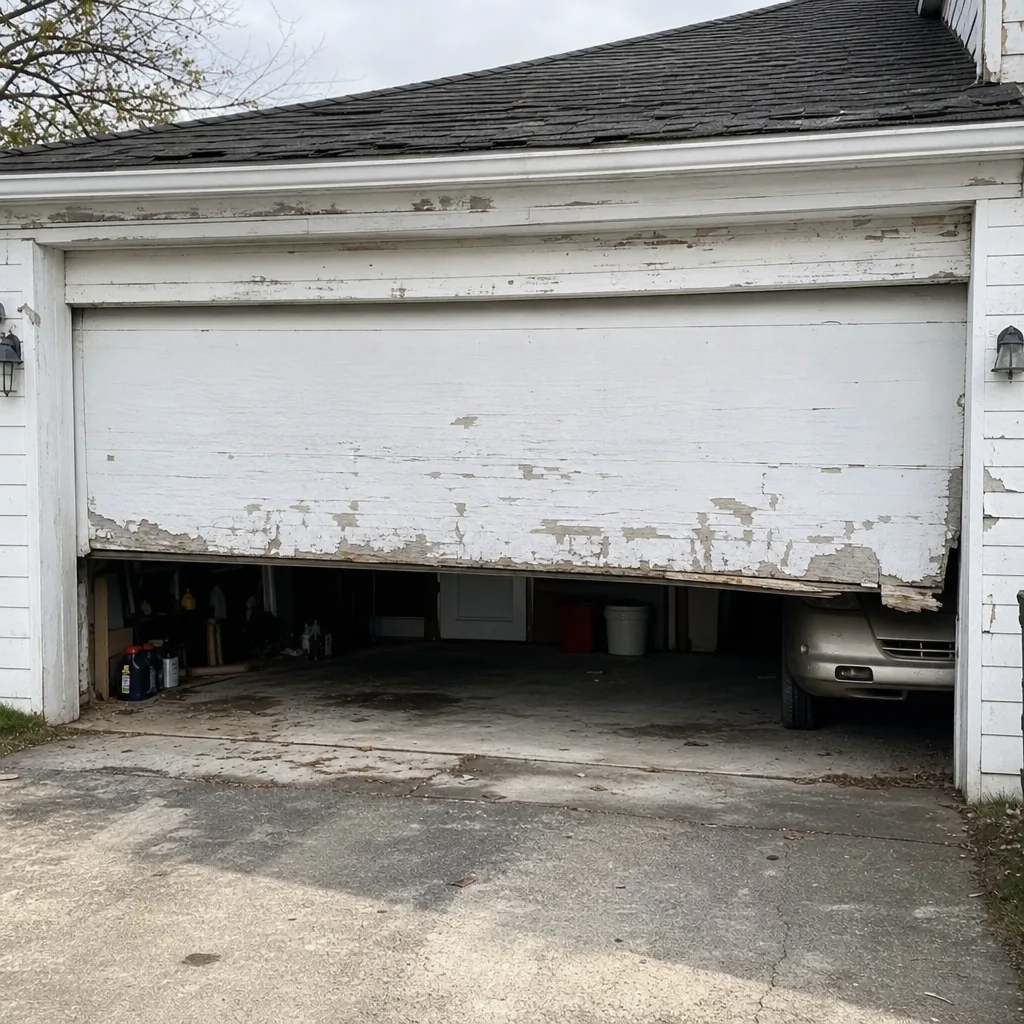
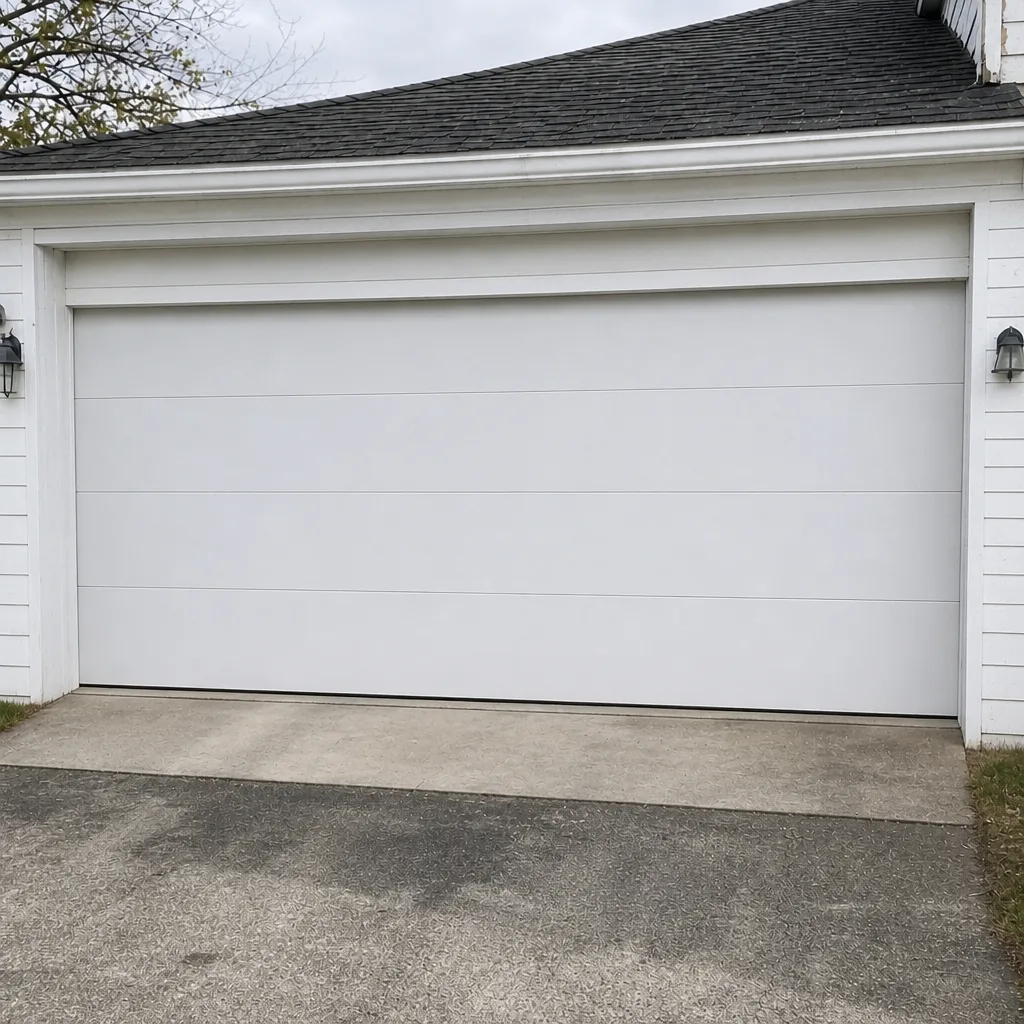
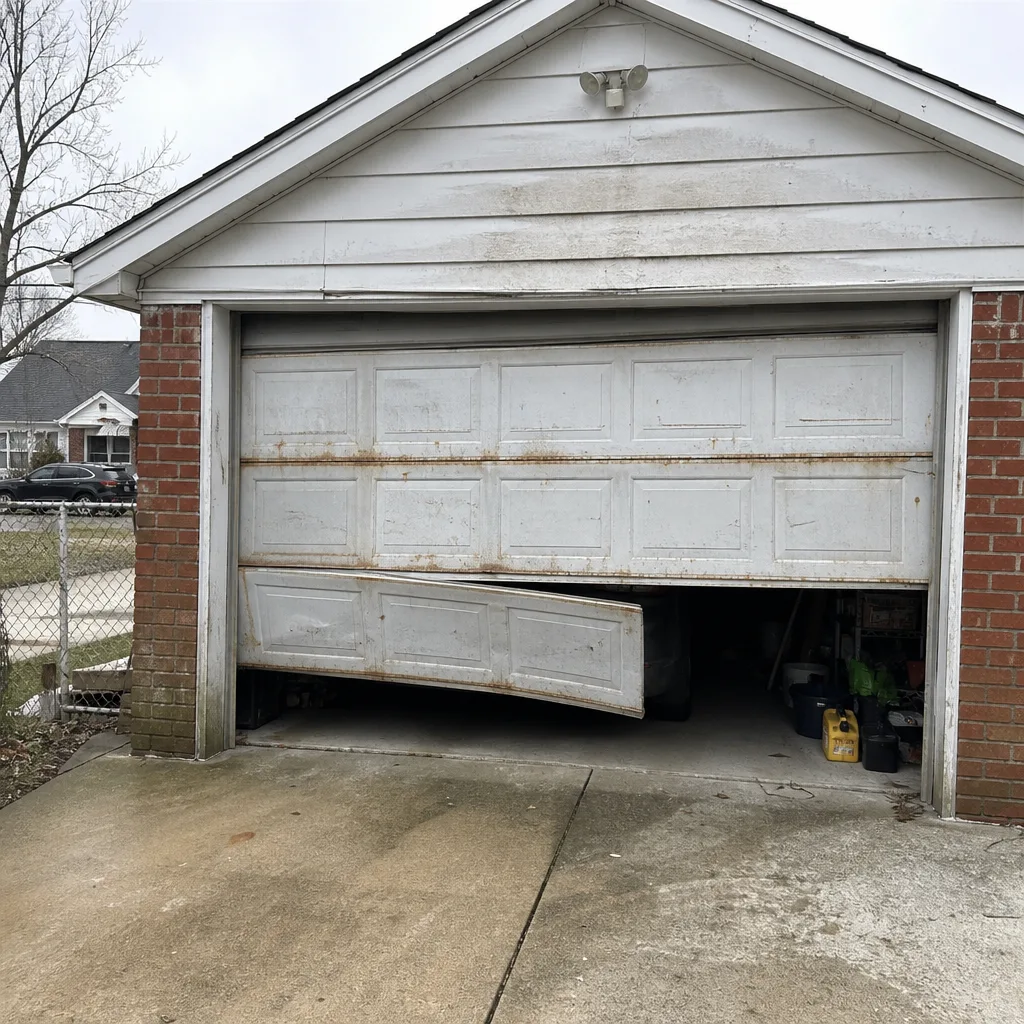
See the difference
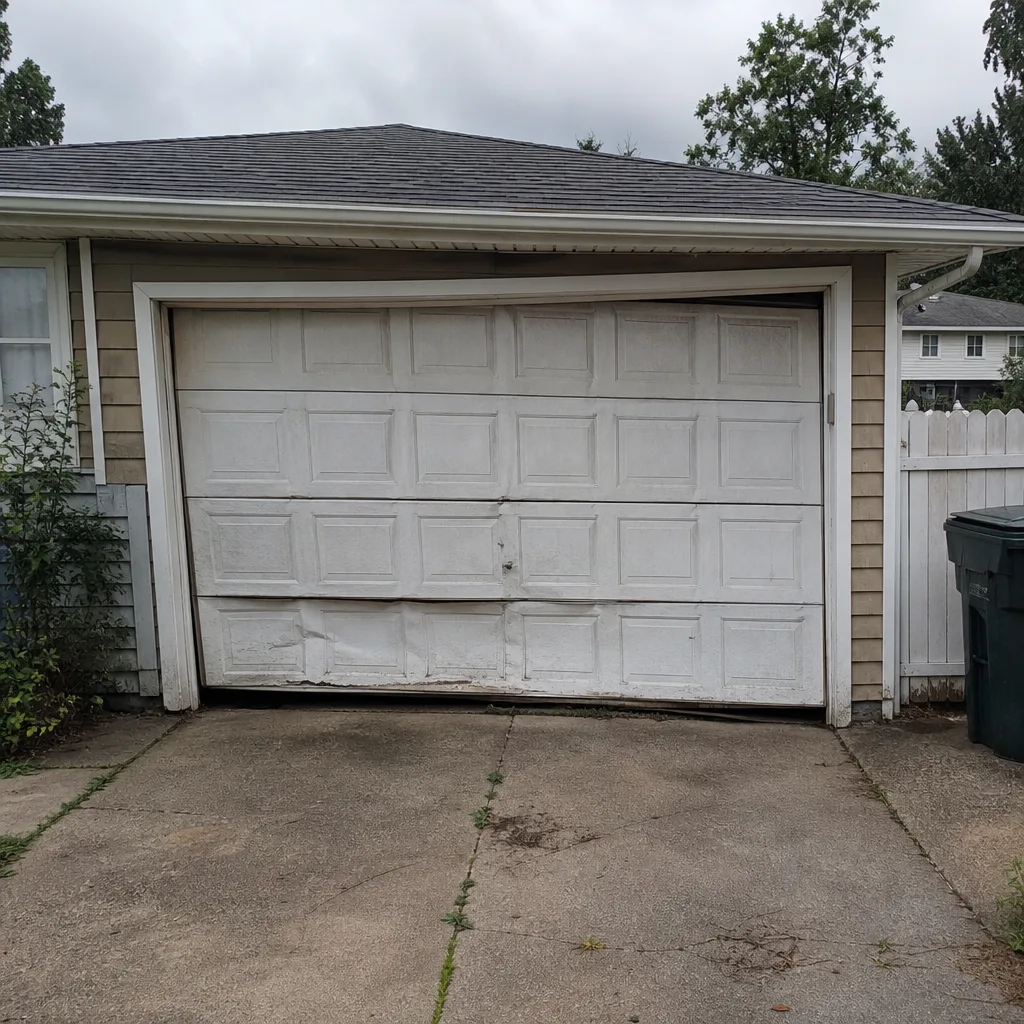 Before
 After
 Before
 After
 Before
 After