Last updated November 23, 2026
 Raised-panel steel
 Carriage house
 Modern flush
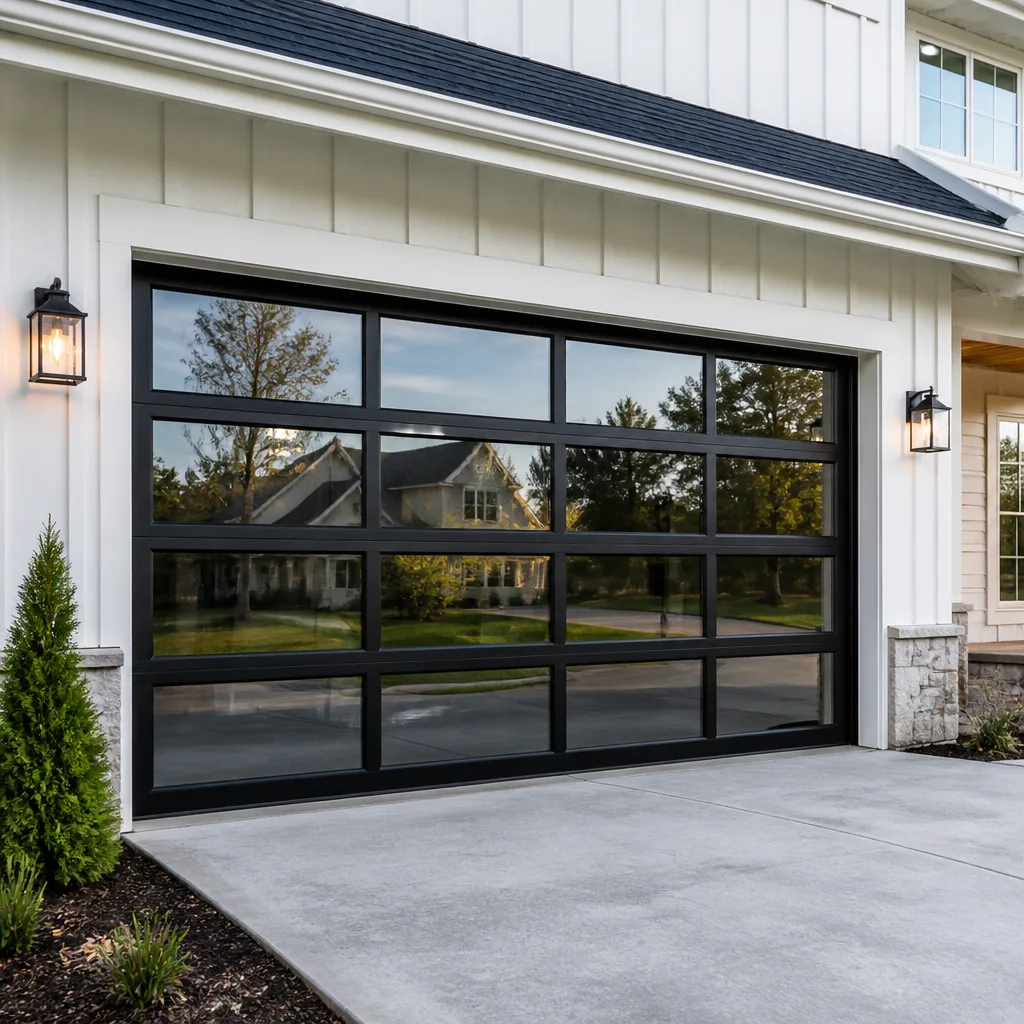 Full-view glass
 LiftMaster openers
 Chamberlain openers
Full 25-point door and opener safety check with every visit - springs, cables, rollers, tracks, and your LiftMaster or Chamberlain opener included
You get a price before we start. It does not change when the pro arrives.
Get your free estimateGarage Door Warning Signs: A Long Beach Homeowner’s Reference Guide
Your garage door gave you at least three warnings before it broke. You probably saw them and didn’t know what they meant.
Most warning-signs advice focuses on the dramatic stuff: a door that won’t close, a snapped spring, a car trapped inside. Those are the obvious failures. The ones that actually cost Long Beach homeowners time, money, and stress are the subtle ones – a faint orange streak on a spring, a door that runs a hair slower in humid weather, a rattle you’ve stopped noticing because it’s been there since spring. Long Beach’s coastal humidity and salt exposure push wear on garage door hardware faster than in drier inland towns, and the early signals often look like nothing. This guide teaches you to read them.
Quick Answer
The most reliable early garage door warning signs are a door that reverses before closing, cable fraying you can see or feel, orange-brown corrosion streaks on springs and rollers, unusual sounds (grinding, popping, rattling, squealing), and a door that opens unevenly or feels heavier than usual. Any of these means the door needs professional inspection before it fails completely. Warning signs that mean “stop using the door and call today” include a snapped spring, a door stuck open or off its track, and a cable that has already broken.
Styles & brands we work with
- Raised-panel steel
- Carriage house
- Modern flush
- Full-view glass
- LiftMaster openers
- Chamberlain openers
Table of Contents
- How garage doors fail slowly before they fail completely
- Normal cable wear vs. cable fraying that’s weeks from snapping
- Why a door that “just runs a little slow” is usually a spring problem, not an opener problem
- Orange-brown streaks and corrosion patterns before failure
- Sounds mapped to causes: grinding, popping, rattling, squealing
- “Schedule service this week” vs. “stop using the door and call today”
- A seasonal checklist for Long Beach homeowners
- Opener warning signs that get mistaken for door problems
How Garage Doors Fail Slowly Before They Fail Completely
Garage doors almost never fail without warning. They fail gradually, over weeks or months, in ways that are easy to dismiss because the door still opens and closes – just not as well as it used to. Understanding the sequence helps you catch the problem while it’s still a repair rather than a replacement.
A garage door is a system under constant tension. Springs balance the door’s weight so a motor doesn’t have to lift a hundred-plus pounds of steel or wood every time. Cables transfer that spring tension to the door. Rollers carry the door through the tracks. Hinges hold the panels together. When one part starts to wear, it puts extra strain on the others, and the wear compounds.
In Long Beach specifically, that wear-in sequence runs faster than most homeowners expect. The humid stretches, the temperature swings between seasons, and the general damp that settles into garages near the water all shorten the life of metal hardware. Springs fatigue sooner, cables show rust sooner, and rollers start to seize sooner than they would in a dry climate.
Here’s the sequence we look for on a door that’s heading toward failure:
- Early wear. Springs lose a small amount of tension. Rollers develop flat spots. Cables pick up surface rust. The door still works normally, but it’s working harder than it should.
- Noticeable symptoms. The door gets noisier, runs slightly slower, or stops bouncing back the way it used to. This is where most homeowners notice something is off but don’t know what to do about it.
- Mechanical distress. Springs lose enough tension that the opener strains. Cables start to fray. Rollers seize and the door drags. The door may open unevenly or reverse at odd points.
- Failure. A spring snaps, a cable breaks, the door comes off track, or the opener burns out from trying to lift a door it can’t handle.
The gap between step two and step four can be short. On a door in Long Beach that’s already showing symptoms, it’s often weeks, not months. When we handle garage door repair around here, catching a problem in that early window usually means something straightforward. Catching it after the spring snaps means a bigger job and a door that’s out of service in the meantime.
Normal Cable Wear vs. Cable Fraying That’s Weeks From Snapping
Cables are the most misunderstood warning sign on a garage door. Homeowners look at them, see something that looks a little worse for wear, and either panic or ignore it. The truth is somewhere in between, and knowing how to tell the difference matters.
Garage door cables run from the bottom corners of the door, up the side tracks, and connect to the spring system at the top. They’re braided steel, designed to take serious tension. What you’re looking for isn’t a spotless cable – it’s whether the cable looks like it’s still doing its job safely.
Normal wear looks like this
- A dull, greyish surface on the steel with no breaks in the strands
- Light, even rust along the cable that hasn’t changed in months
- Cable still fully seated in the drum with no loose wrapping
- No visible change when you gently flex the cable by eye – it hangs straight and taut
Fraying that’s weeks from snapping looks like this
- Broken strands – you can see individual steel wires standing up or separating from the braid
- Flattened or kinked sections where the cable has been binding
- Rust that looks pitted or reddish-brown and is spreading visibly
- Cable coming off the drum, unevenly wound, or bunched on one side
- A cable that looks visibly thinner in one spot than the rest
A broken strand is the clearest signal. Cables are made of many strands; when one lets go, the next isn’t far behind. A cable with a single broken strand can fail without notice, and when a cable lets go under tension, it whips. Don’t put your hands near a cable under load to check it. If you can see fraying from a safe distance with the door closed, that’s enough to know it needs attention.
In Long Beach, we see cable issues most often on older homes where the cables have been through many humid seasons without replacement. The combination of salt exposure and seasonal damp accelerates corrosion on the braided steel. If your door is more than a decade old and you’ve never had cables inspected, it’s worth having someone look at them. If you’re seeing garage door repair symptoms and the cables are suspect, get eyes on them before the door gets stuck.
Why a Door That “Just Runs a Little Slow” Is Usually a Spring Problem, Not an Opener Problem
Here’s a scenario that plays out constantly in Long Beach: a homeowner notices the door is opening slower than usual, especially on humid mornings. They assume the opener is getting tired and start thinking about a replacement. In our experience, most of the time it isn’t the opener at all – it’s the springs.
Springs are what actually lift the door. The opener only supplies the push. When springs lose tension, the door gets heavier, and the opener has to work harder to move it. The opener isn’t broken; it’s compensating. That’s why replacing the opener rarely fixes a slow door – you’ve just put a fresh motor on the same failing spring system.
Humidity makes this visible. Torsion springs, which are the coiled springs mounted above the door on most modern systems, respond to temperature and moisture changes. On a humid Long Beach morning, the door will often feel heavier and run slower than it did on a dry day – and it will be more pronounced on a spring that’s already near the end of its life. If the difference is dramatic, or if it doesn’t return to normal once the day warms up, that’s a spring-tension warning sign, not a weather quirk.
How to tell spring from opener
- Disconnect the opener briefly. Pull the manual release cord (with the door closed and you standing clear) to disengage the opener, then try lifting the door by hand. A properly balanced door should lift with moderate effort and stay open at roughly waist height. If the door feels heavy and won’t stay up, the springs are losing tension.
- Watch for uneven lift. A door that lifts more on one side than the other usually points to spring or cable imbalance, not an opener motor issue.
- Listen for opener strain. If the opener motor is louder or laboring at the start and end of the cycle, that’s usually the motor fighting a door it can’t balance.
- Check the opener’s manual. Many modern openers (LiftMaster and Chamberlain models in particular) have safety sensors and force limits that will trip on a door that’s suddenly too heavy, causing the door to reverse or stop midway. That’s the opener protecting itself from a spring problem.
We work on the full range of systems, so we’re not attached to diagnosing one brand or one fix. We’re attached to the right fix. If the springs are the cause, replacing the opener is the easy upsell and the wrong answer. When we handle garage door opener repair and the door turns out to have a spring issue, we’ll tell you that instead of selling you a motor you don’t need.
Spring work is genuinely dangerous. Torsion springs are under enough tension to cause serious injury, and they fail suddenly. Never try to adjust, loosen, or replace a garage door spring yourself. That’s a job for a trained technician with the right tools and winding bars.
Orange-Brown Streaks and Corrosion Patterns Before Failure
Corrosion is the slowest-moving warning sign, and in Long Beach it’s also the most consistent. The damp air and the airborne salt that come with living near the water leave their mark on steel hardware, and the pattern of that corrosion tells you what’s wearing out.
The good news is that corrosion is visible long before it causes failure. You just need to know what you’re looking at.
What the streaks mean
- Orange-brown streaks down a torsion spring: Surface rust on the spring itself. Some light rust is normal over years, but if the streaks are still spreading and the spring looks pitted, that spring is on borrowed time. Pitting means the metal is losing strength.
- Rust streaks running from a roller down the track: The roller bearing is failing or already seized. Seized rollers drag and put extra stress on the opener and springs. When you see rust running down the track from a roller, that roller is done.
- White or chalky deposits on aluminum tracks: Oxidation, common in humid garages. It won’t fail the door directly but it usually signals that the rollers running in those tracks are dirty and need attention.
- Rust around hinge plates: The hinge is corroding and may be loosening from the panel. Loose hinges let the door flex, which causes panel separation over time.
- Rust on the bottom panel or bottom brackets: The bottom bracket is the most load-bearing fitting on the door. Corrosion here matters because that’s where the cable attaches. If the bracket is compromised, the cable can slip.
In Long Beach, the streaks show up fastest on doors that face open, moist air most of the day. A door that gets afternoon damp and morning fog exposure will usually show spring rust before a door that’s more protected. That’s not a defect in the door; it’s what coastal humidity does to steel.
What you should do with this information: about once a season, take a walk around your garage with a flashlight and look for new rust. Streaks that were faint last year and are prominent now are a sign that hardware is aging faster than expected. Rust streaks on springs and rollers are the kind of early warning that’s easy to catch and cheap to deal with when caught. They’re also the kind of thing that gets ignored until a spring breaks.
Sounds Mapped to Causes: Grinding, Popping, Rattling, Squealing
Sound is the most immediate warning sign because it shows up while the door is working, and your door makes a whole vocabulary of noises. Here’s what each one usually means.
Grinding
Grinding is metal-on-metal contact, and it almost always means the rollers or the track. A seized roller dragging along a track grinds. A track that’s bent or out of alignment can also grind against the door’s edge. In Long Beach, humid air gets into roller bearings and causes them to seize quickly. Ignore grinding and you’re speeding up wear on the opener and the springs.
Popping
Popping has a few possible sources, and one of them is serious. The most common causes:
- Panel separation. Panels pull apart at the hinges and pop back into place as the door cycles. Usually points to a loose hinge or a bent track.
- Track misalignment. The track is pulled out of position and the door pops through the misaligned section. This is common after a door is bumped or after a hard impact.
- Spring noise. A torsion spring under strain can pop or clang once per cycle, usually at the point where the door changes direction. If the popping is loud and comes from above the door, get someone out to look at it.
Rattling
Rattling is usually the least urgent sound. It’s often loose bolts on the hinges or brackets, or a door that’s not seated properly. The exception is a rattle that started suddenly after an impact or a hard cycle – that could mean something has come loose that shouldn’t have.
Squealing
Squealing comes from friction. Rollers that need lubrication, hinges that are dry, or a torsion spring that needs grease. Squealing isn’t usually an emergency, but it’s the door telling you it’s working harder than it should. Left alone, squealing leads to seized parts, and seized parts lead to bigger repairs.
We work on the full range of brands – Raynor, LiftMaster, Chamberlain, Genie, and the rest of the major systems – and one thing holds across all of them: the sounds matter. If the door just started a new noise, especially a grinding or popping sound, the sooner someone looks the better. Calling us while the door is still working is always cheaper than calling after it stops.
“Schedule Service This Week” vs. “Stop Using the Door and Call Today”
Not every warning sign carries the same urgency. Some mean “get this on the calendar.” Others mean “stop using the door now.” Mixing those up is where homeowners get into trouble – either calling in a panic over a squeal that can wait, or ignoring a snapped cable and forcing the door until the whole track bends.
Here’s a practical way to sort it.
Warning signs that mean schedule service this week
- Squealing or rattling that’s been developing gradually
- Light rust streaks or surface corrosion on hardware, without broken strands or pitting
- The door runs a little slow, especially in humid weather
- Occasional popping at one point in the door’s travel
- A door that feels slightly heavier than normal when you test it by hand
- An opener that’s sounding a little louder than it used to
- A door that reverses once in a while before closing
These are all real warning signs. None of them is a call-it-right-now emergency. Get a written estimate and schedule the fix.
Warning signs that mean stop using the door and call today
- A snapped torsion or extension spring (you’ll hear it, it’s a loud bang, and the door will suddenly weigh far more than it should)
- A door that has come off its track
- A door that’s stuck open and won’t close
- Any broken cable, or a cable that’s clearly coming off its drum
- A door that won’t stay up when disconnected from the opener
- A door that’s visibly crooked, sagging on one side, or hanging unevenly
- An opener that’s stopped working entirely while the door is stuck partially closed, leaving your home accessible
These signs mean mechanical parts have failed, and forcing the door can turn a single-part repair into a multi-part rebuild. When a spring is snapped, the opener is fighting the full weight of the door – continue using it, and the opener will fail, the track can bend, and the repair gets much bigger. When a door is off track or a cable has failed, don’t lift it manually; the door can come down. Stop, leave it, and call.
Emergency garage door service is one of the things we’re set up for, so a door failure that leaves your car trapped or your home unsecured is something to call about rather than wait out. We’ll talk through what’s happening, tell you if the door should stay closed, and get someone out for the repair. Same-day service and fast dispatch are the goal on emergency work. Call us at (855) 337-1762.
A Seasonal Checklist for Long Beach Homeowners
Most warning signs are visible before they become failures, but only if someone’s looking. A brief seasonal walkaround catches the early stuff. Here’s what we suggest, in order:
- Stand outside and watch the door cycle all the way up and all the way down. Look for uneven lift, wobble, or anything that changes as the door moves.
- Listen without doing anything else. Grinding, popping, rattling, and squealing all get audible during a full open and close. Note any new sounds.
- Test the door by hand once in a while. With the door closed, pull the manual release, lift the door, and see if it feels balanced and stays up near the halfway mark. Then close and re-engage the opener. If the door is heavy, that’s a spring problem.
- Look at the springs. With a flashlight, check the torsion spring above the door or the extension springs along the tracks (depending on your system). Look for fresh rust, pitting, or any obvious physical damage. Don’t touch.
- Look at the cables. From a safe distance, check for frayed strands, kinks, or loose winding on the drum. Don’t reach toward a cable under tension.
- Check the rollers. Rust streaks running down the tracks from a roller mean that roller needs replacement. Seized rollers are a common early warning sign.
- Look at the door bottom. The weather seal is the first thing that keeps weather out, and a torn bottom seal lets moisture into the door’s bottom panel. Bottom panels are usually the first to rust in Long Beach.
- Test the door’s safety features. With the door opening, pass an object under the door’s path and confirm it reverses. The safety sensors near the floor should also be clean and aligned.
This takes fifteen minutes. It’s the cheapest garage door maintenance you’ll ever do, and it catches the warning signs that lead to bigger repairs.
Opener Warning Signs That Get Mistaken for Door Problems
Not every garage door warning sign points at the door. Modern openers – the smart-home-compatible LiftMaster and Chamberlain systems especially – have their own warning signs, and homeowners often blame the door for problems that live in the opener unit.
Watch for these:
- Door reverses on its own before closing. Most often the safety sensors near the floor are dirty, misaligned, or blocked. Clean and check alignment before assuming a door problem.
- Opener runs but door doesn’t move. Could be a stripped gear in the opener, a broken drive belt, or the manual release is still engaged.
- Opener works with the wall button but not the remote. Usually a remote battery or a programming issue, not a door issue.
- Door stops partway up and won’t continue. On modern openers, this is often a force-limit setting tripping because the door has become too heavy – which means the door’s springs are the real issue.
- Opener keeps running after the door is fully up or down. Usually a limit switch or travel setting that’s out of adjustment.
- Smart opener disconnects from Wi-Fi repeatedly. Usually a router issue or an app update, not a door problem.
When we’re called out for a door problem and the cause is the opener, we fix the opener. When the opener is fine and the door’s hardware is the problem, we fix the door. That’s the value of working with a garage door specialist rather than someone who does doors as one job among many.
Common Mistakes to Avoid
- Replacing the opener when the springs are the problem. A slow or heavy door is usually a spring issue, but a lot of homeowners replace the opener first. The new motor strains just as much as the old one did, and the springs keep losing tension. Diagnose before you replace.
- Ignoring sounds that started “just recently.” A new grinding or popping noise is the door telling you something changed. It didn’t get quieter on its own – it got worse.
- Treating light rust as normal without checking it. Some surface rust on old hardware is fine. Rust that’s spreading, pitting, or running down the tracks from a roller is not. Compare your hardware to itself six months ago.
- Forcing a door that’s off track or has a broken cable. Running a jammed or unbalanced door through the opener’s cycle bends tracks, snaps cables, and burns out openers. When something’s failed, stop using the door until it’s looked at.
- Greasing springs and cables yourself. A light lubrication on hinges and rollers is a reasonable homeowner task, but cables and torsion springs should be left alone. Grease on a cable can attract grit, and grease on a spring hides rust you need to see.
- Assuming newer doors don’t need inspection. Even a five-year-old door in Long Beach has seen several humid seasons. Corrosion and spring fatigue don’t wait for the door to look old.
- Waiting for the door to fail before scheduling service. The most expensive garage door calls are almost always the ones that started as something small that nobody looked at. The right fix early is almost always simpler than the right fix after a failure.
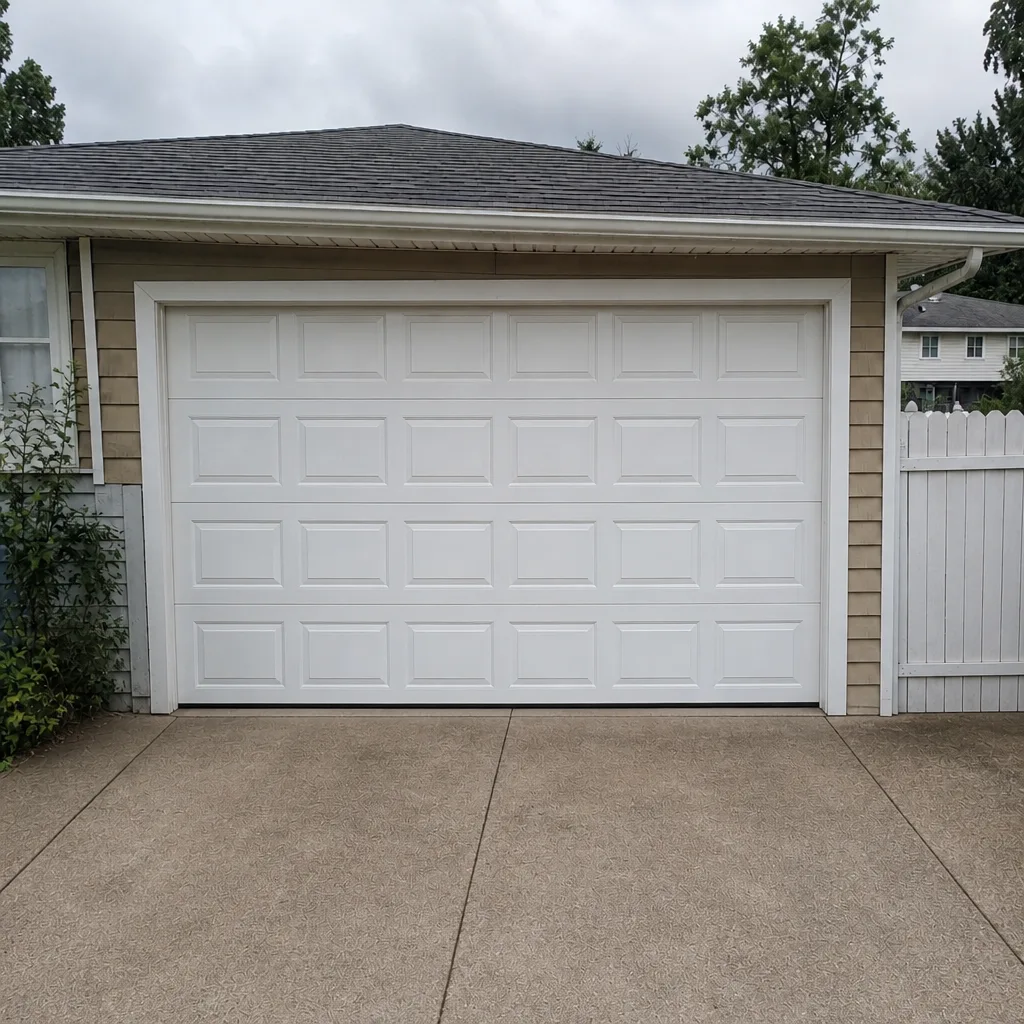
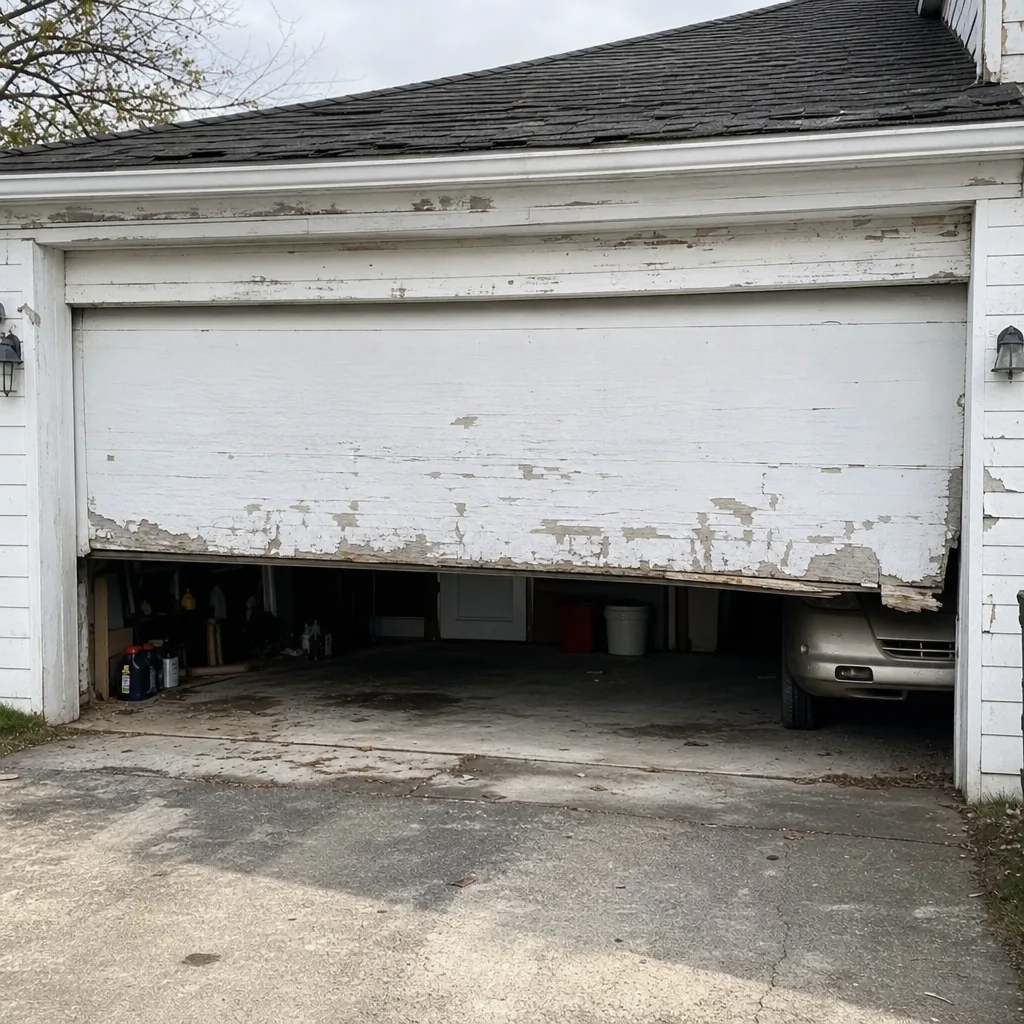
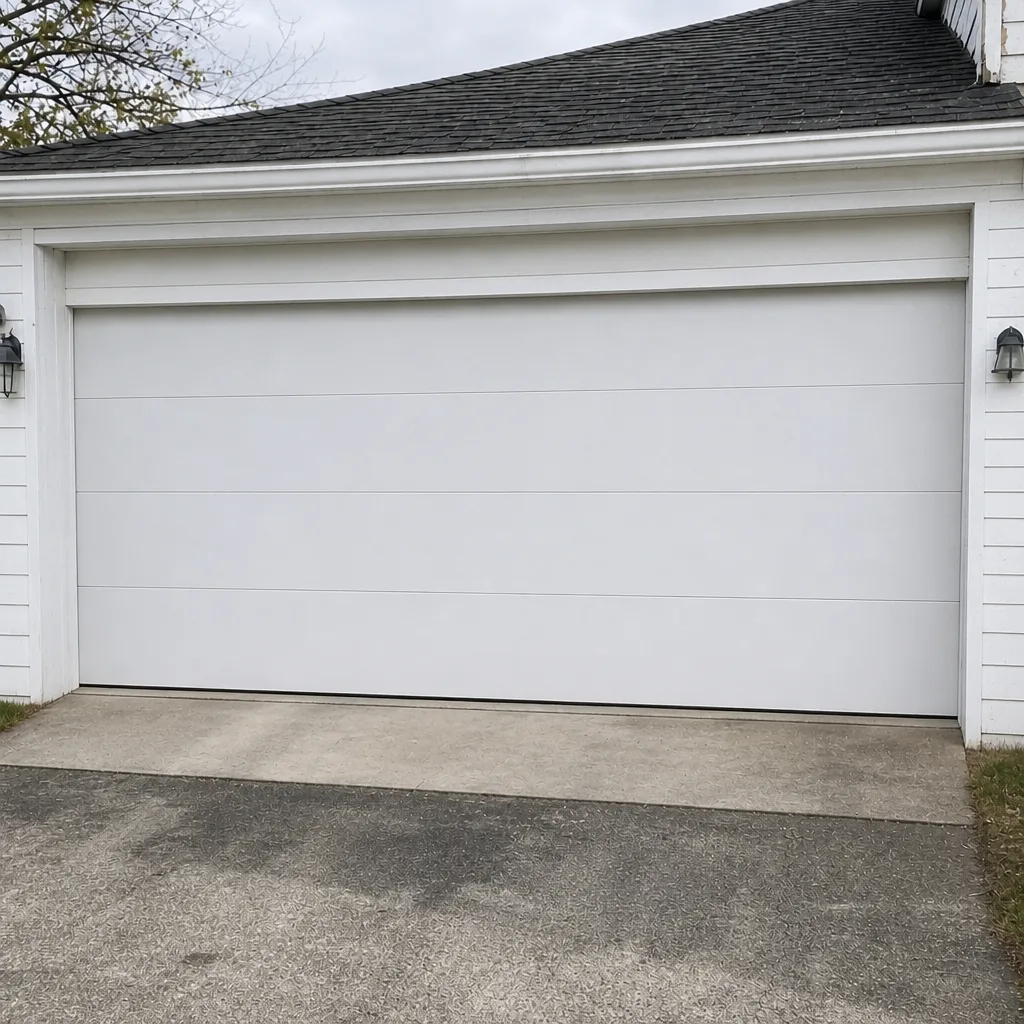
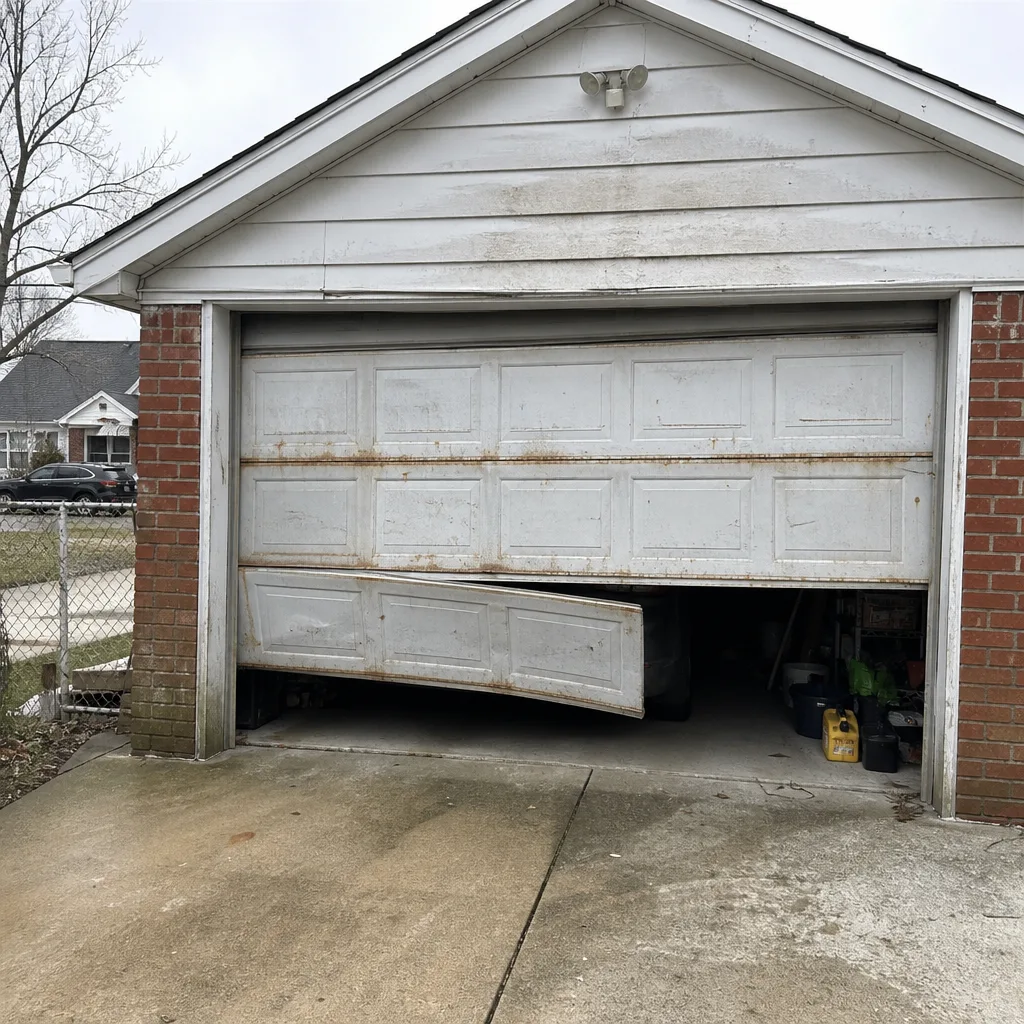
See the difference
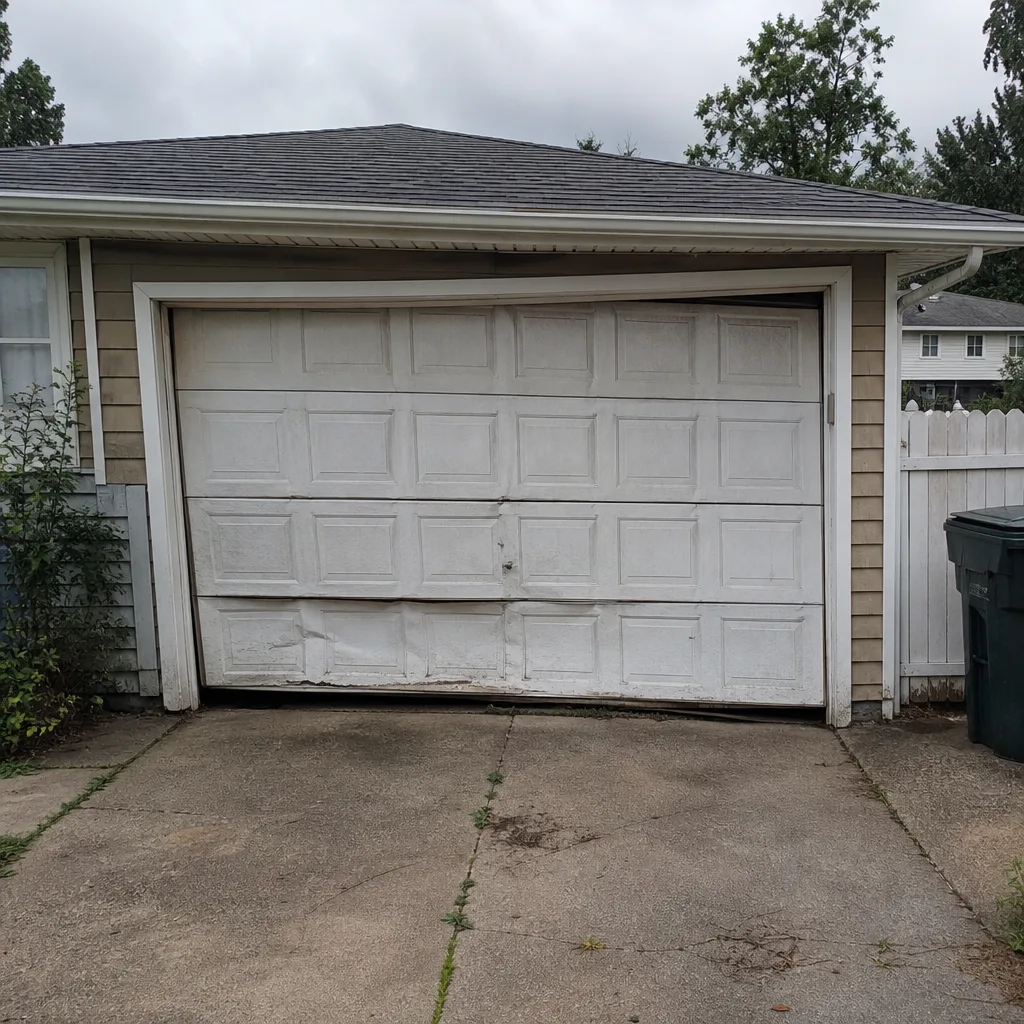 Before
 After
 Before
 After
 Before
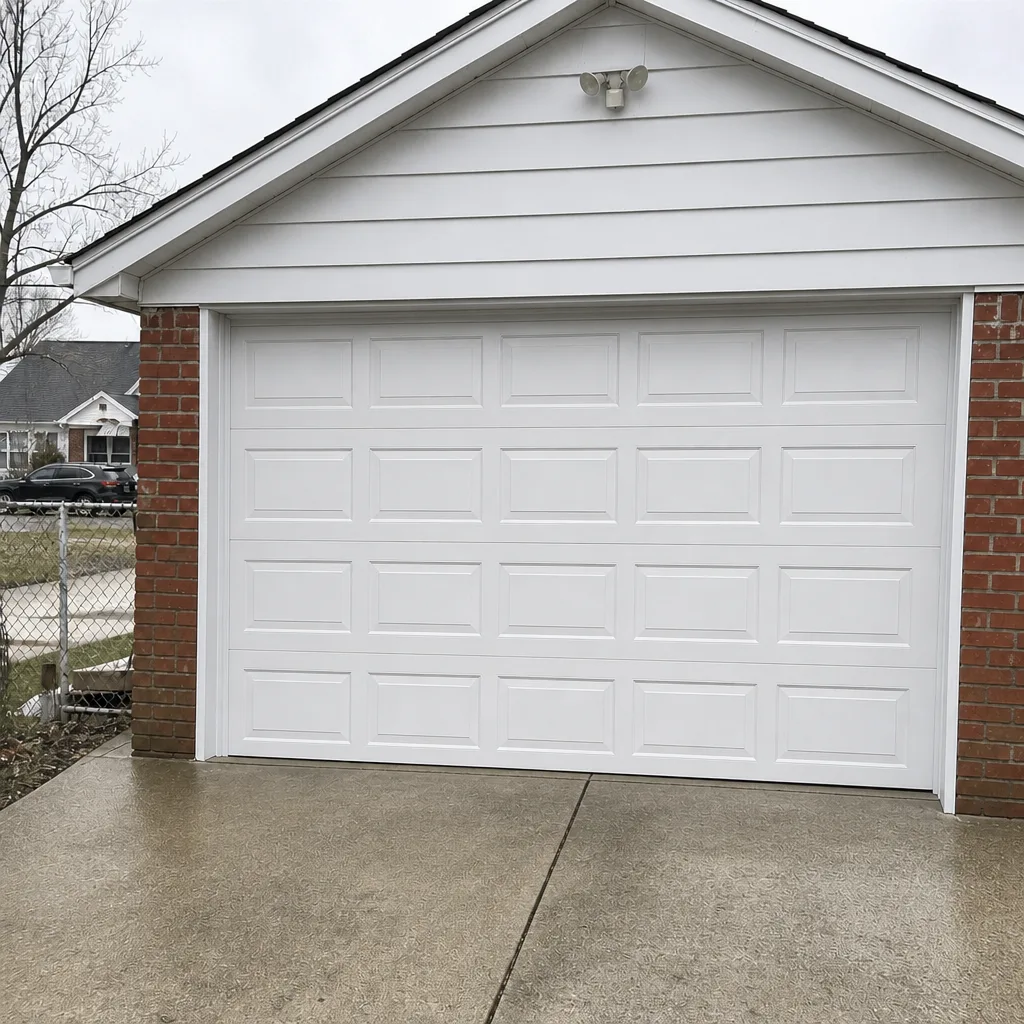 After
When to Call a Professional
Small stuff you can handle: cleaning the safety sensors, checking the remote batteries, wiping down the tracks. The rest of it, especially anything involving springs, cables, and opener motors, is worth a call.
Specific scenarios where professional help matters: any visible cable damage or broken strand; a spring that’s snapped or lost tension; a door that’s come off track or is visibly crooked; an opener that’s reversing unpredictably; a door that feels heavy when you test it by hand; any grinding or popping that started recently; a door that’s showing corrosion streaks on springs or rollers; and any time you’re unsure. You’re not wasting anyone’s time by asking.
Long Beach Garage Door Repair Pros offers free estimates in Long Beach – call (855) 337-1762 and we’ll look at the door, tell you what we see, and quote a price before any work starts. Our technicians have up to 11 years of experience, and the price you agree to before we start is the price on the invoice. If it’s a repair, we’ll repair it. If it’s a replacement, we’ll tell you that too.
Frequently Asked Questions
The first signs are usually a door that runs slightly slower or louder than it used to, rust streaks appearing on springs or rollers, and a door that occasionally reverses before closing. In Long Beach, coastal humidity accelerates wear on springs and cables, so these signs show up earlier than homeowners expect – often well before the door stops working.
Worn cable looks dull and grey with even surface rust but no broken strands. Frayed cable has individual steel wires separating from the braid, kinks, flattened sections, or visible thinning. Always inspect cables from a safe distance – never put your hands on a cable under tension. If you can see broken strands, the cable needs replacement before it snaps.
Humidity makes torsion springs lose tension faster and puts more weight on the door, so a spring that’s near the end of its life feels heavier on damp days. If your door is noticeably slower on humid mornings and doesn’t return to normal when the weather dries out, that’s usually a spring-tension problem, not an opener issue. Get it checked before the spring fails.
No – stop using the door. With a spring broken, the full weight of the door is on the opener and the cables, and forcing the door will damage the opener and potentially bend the track. A broken spring is a repair that should be handled by a technician. Call (855) 337-1762 and we’ll get someone out.
Yes – torsion springs are under enough tension to cause serious injury if they slip or release unexpectedly, and they fail without much warning. Spring replacement requires special winding tools, proper technique, and knowledge of the door’s balance. Never adjust, loosen, or replace a garage door spring yourself. This is one of the jobs a trained technician should handle.
If the warning signs are gradual – slight noise, minor rust, a door that’s a little slow – you can usually schedule within a week or two. If you’re seeing a snapped spring, a door off track, a broken cable, or a door that won’t stay up, stop using the door and call the same day. Call (855) 337-1762 for a free estimate and we’ll tell you honestly which category you’re in.
The Bottom Line
Your garage door tells you what’s wrong long before it breaks. The problem is that most of us don’t know what we’re listening to, and in Long Beach the damp air and coastal humidity make the wear signs show up faster and in ways that look like normal aging. The homeowner who catches an orange streak on a spring, a new grinding sound, or a door that’s running heavy on humid mornings ends up with a small repair. The homeowner who doesn’t ends up with a snapped spring and a car stuck inside.
Spend fifteen minutes with a flashlight once a season. Learn what your door sounds like when it’s healthy. When something changes, call a specialist who’ll diagnose it correctly and fix what actually needs fixing. If you need a repair, or you’re not sure what you’re looking at, our team handles garage door spring repair and the rest of the work on whatever’s on your home. Call (855) 337-1762 for a free estimate.
Written by the team at Long Beach Garage Door Repair Pros.