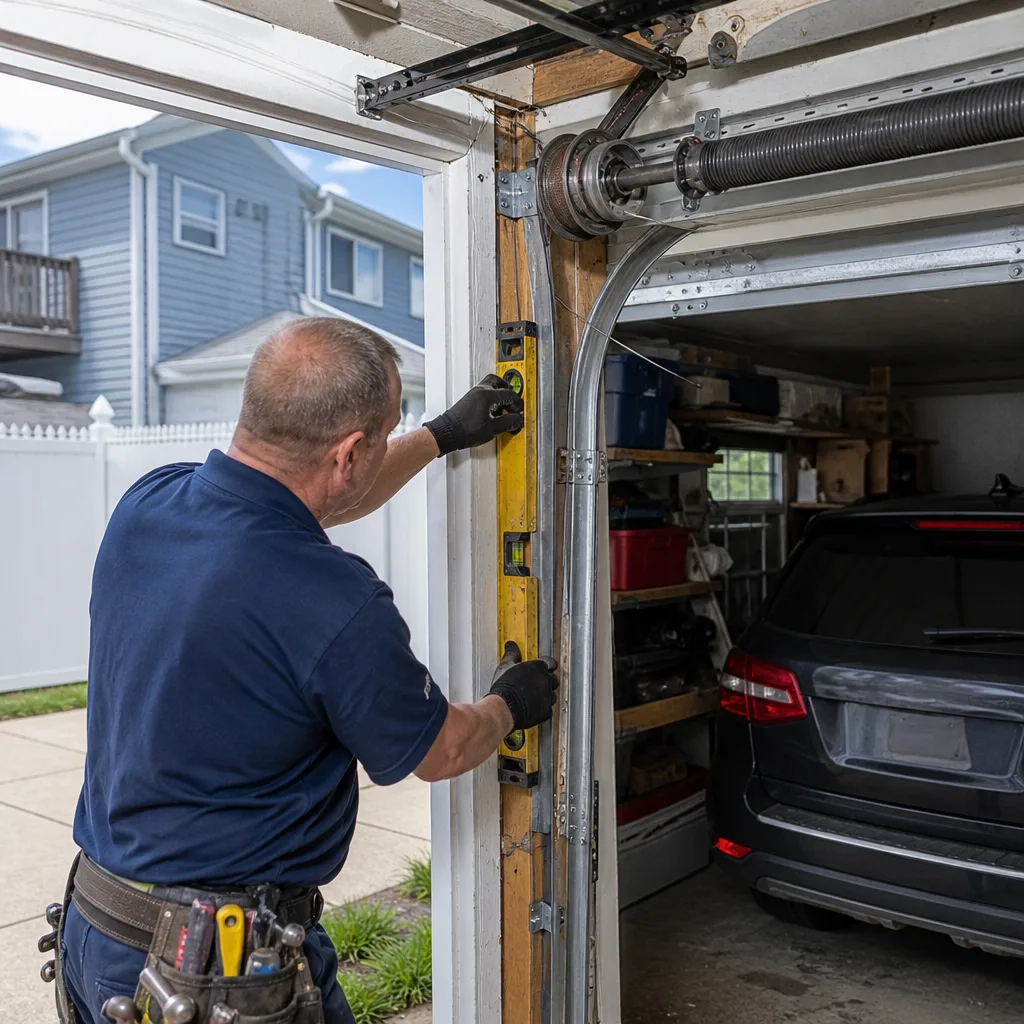
Last updated November 23, 2026
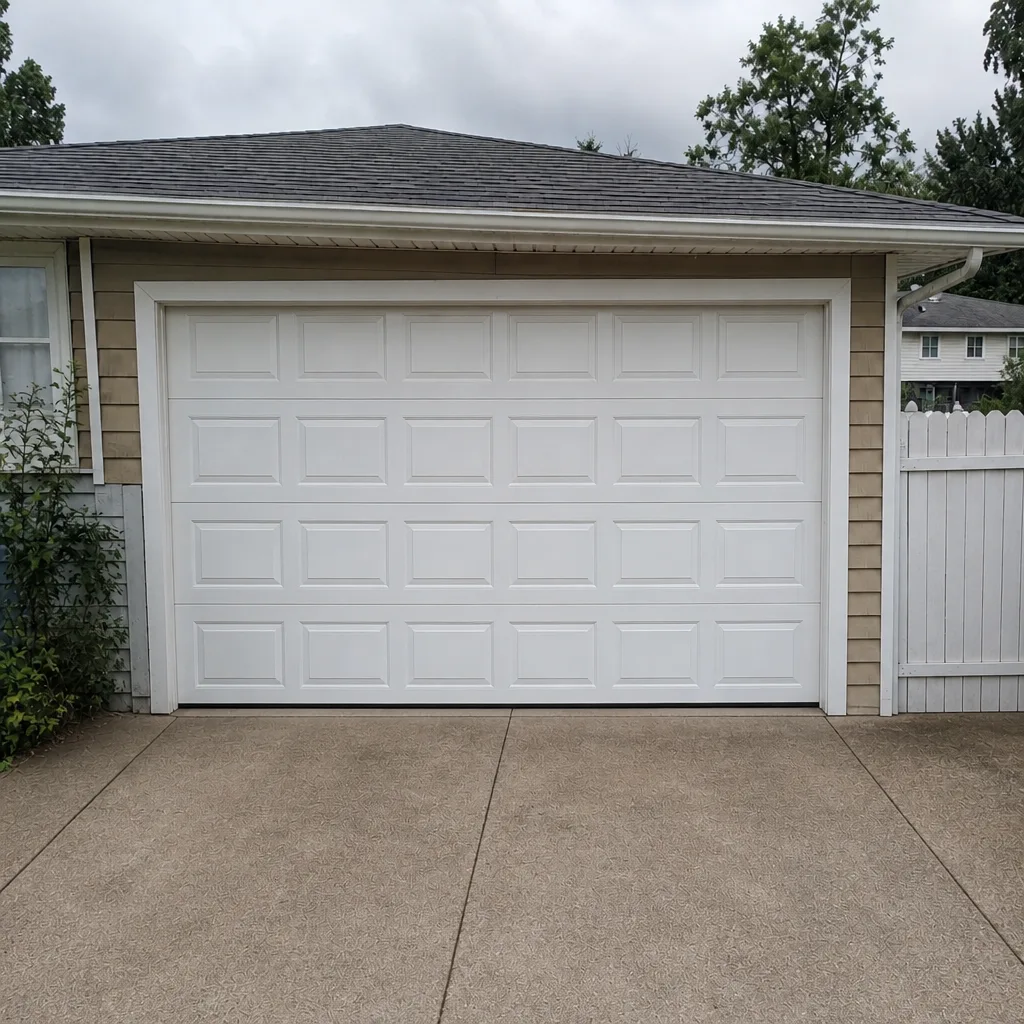
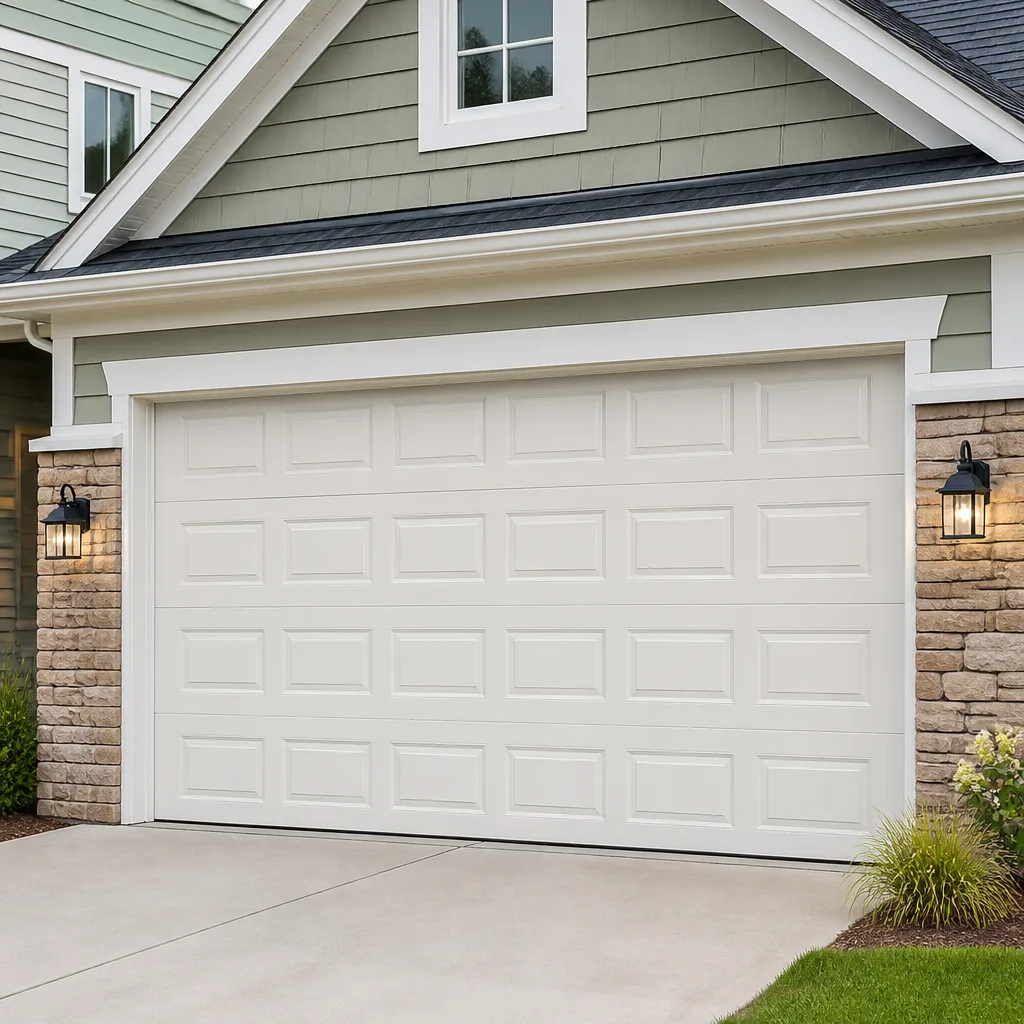 Raised-panel steel
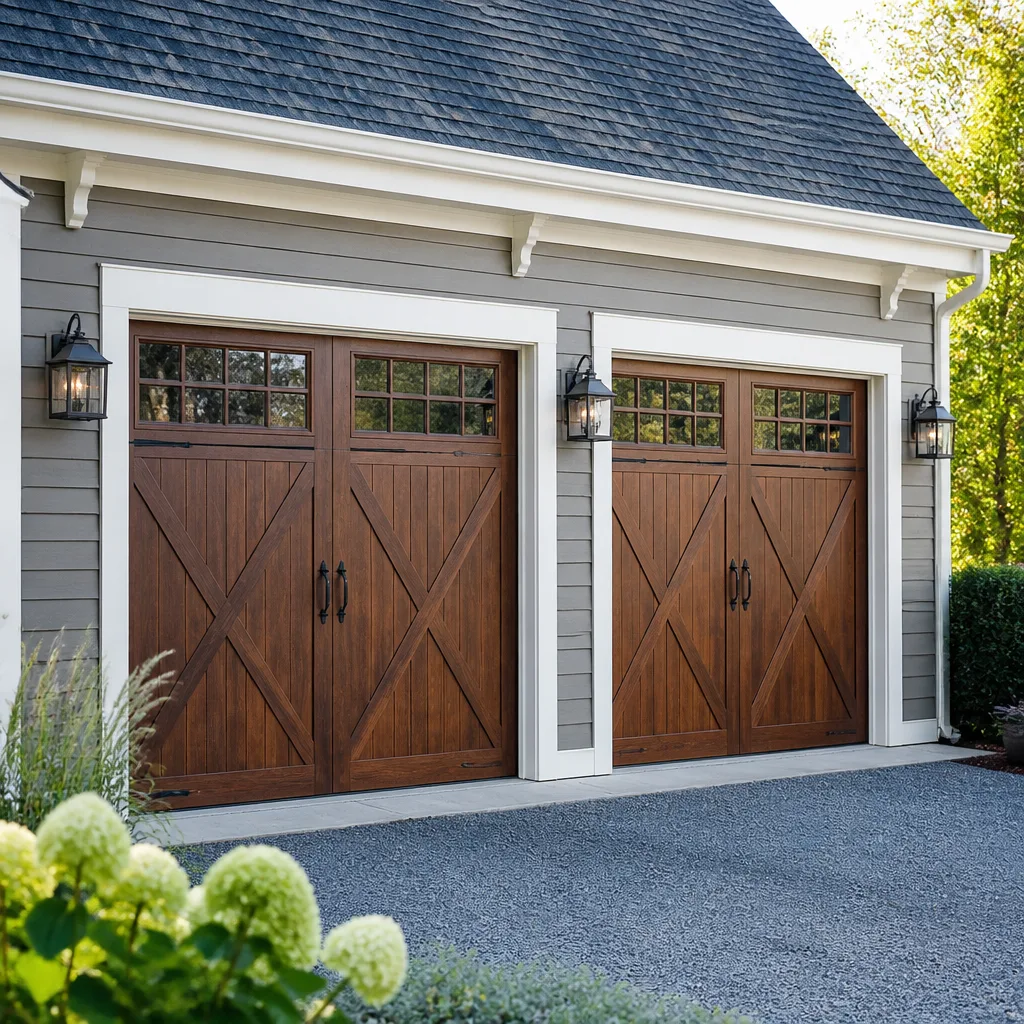 Carriage house
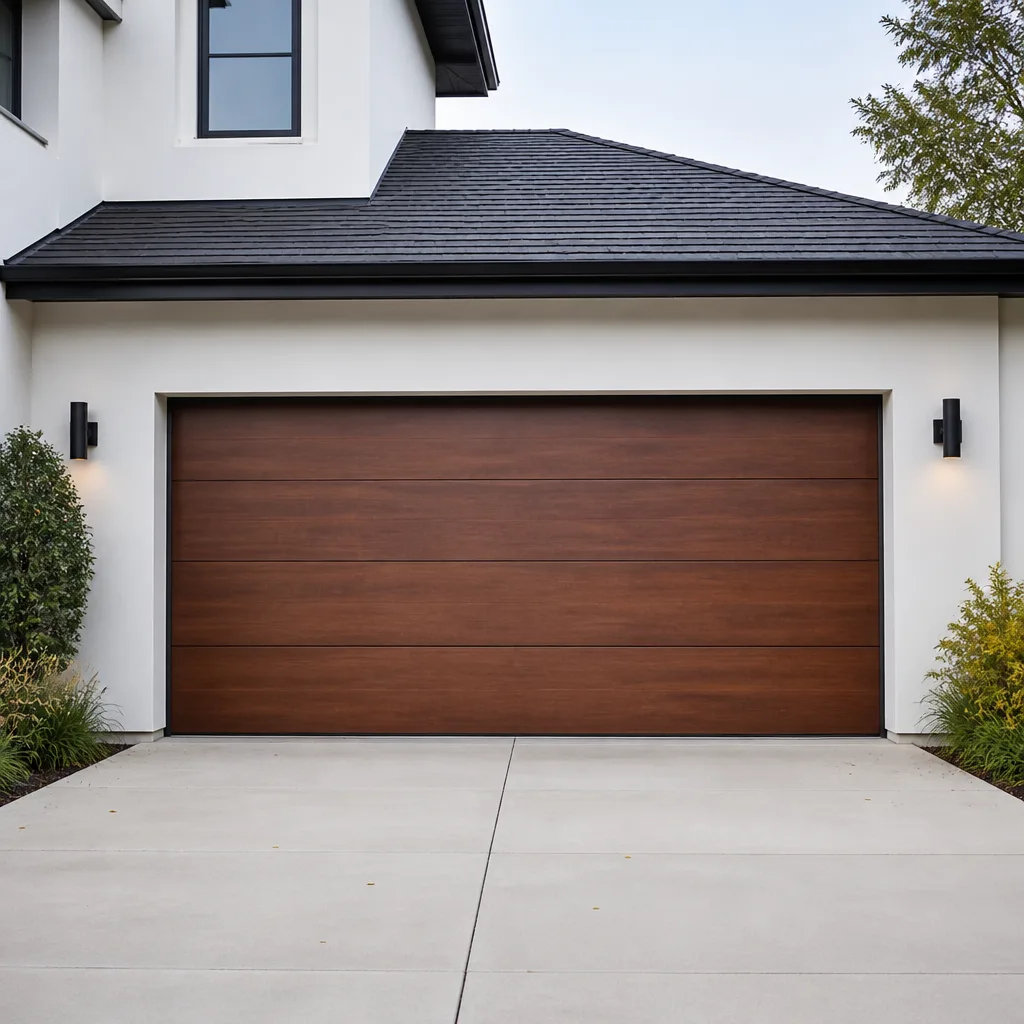 Modern flush
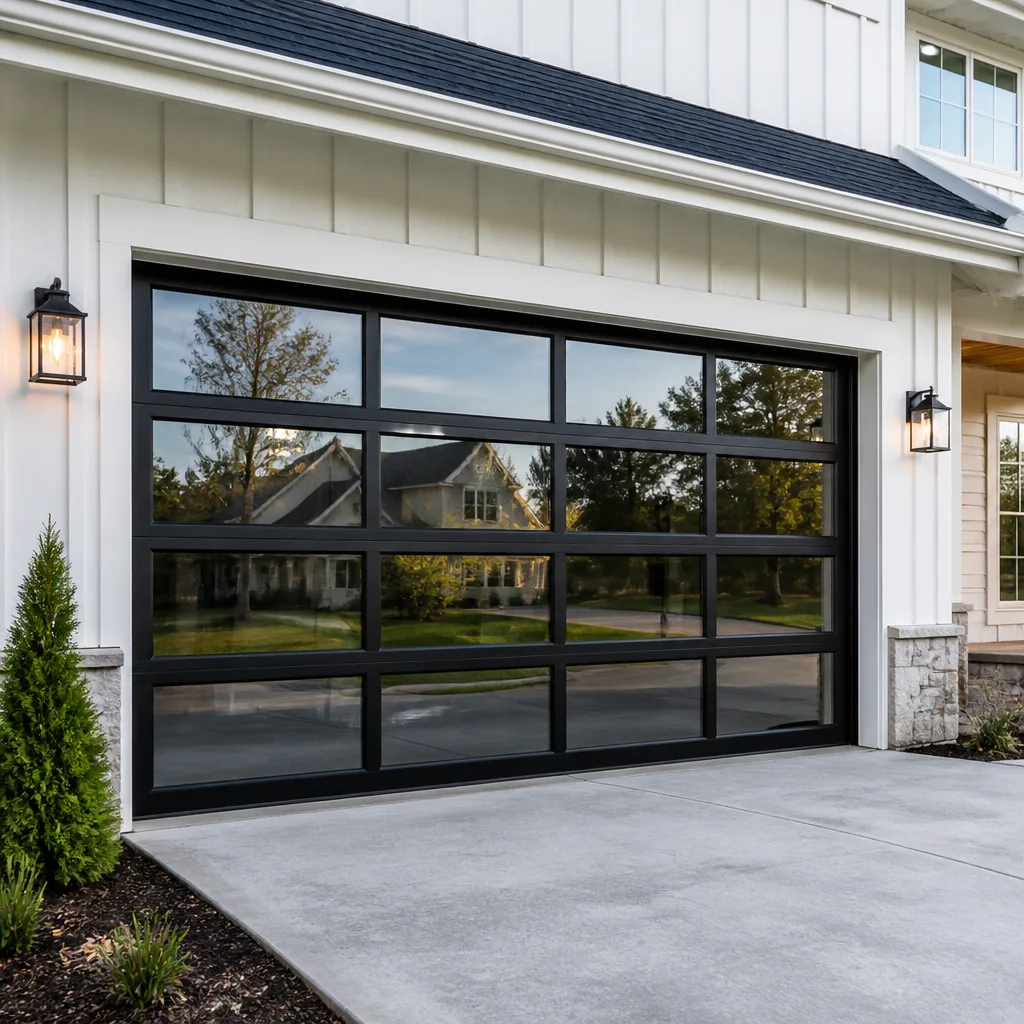 Full-view glass
 LiftMaster openers
 Chamberlain openers
Full 25-point door and opener safety check with every visit - springs, cables, rollers, tracks, and your LiftMaster or Chamberlain opener included
You get a price before we start. It does not change when the pro arrives.
Get your free estimateGarage Door Repair Maintenance Checklist for Long Beach Homeowners
Most garage door failures don’t announce themselves. They start quietly, months before the door stops working, with grit and grime working into hinges and rollers that nobody thought to clean. On a barrier island like Long Beach, the daily mix of damp air, wind-driven sand, and storm-season rain pushes wear on door hardware faster than a manufacturer’s generic checklist ever accounts for. That gap is the problem. The pamphlets that come with a new door assume a climate that isn’t yours. This guide fixes that. You’ll learn the tasks that actually matter for a Long Beach door, in the order they matter, what you can safely handle yourself, and where a trained technician earns the call.
Quick Answer
A garage door in Long Beach needs cleaning and lubrication every three months, a full balance and safety-reverse test twice a year, and a close look at springs, cables, rollers and weatherstripping after every significant storm. Homeowners can safely handle lubrication, visual checks and weatherstripping, but spring tension, cable replacement and any work involving the door’s counterweight system belong to a trained technician. Cleaning hardware and testing the safety reverse are the two steps most local homeowners skip, and they’re the two that prevent the most expensive failures.
Styles & brands we work with
- Raised-panel steel
- Carriage house
- Modern flush
- Full-view glass
- LiftMaster openers
- Chamberlain openers
Table of Contents
- Why a Long Beach Checklist Looks Different
- The Post-Storm Rinse Protocol
- Lubrication: The Right Products and the Wrong Ones
- Spring Tension Inspection Intervals
- Weatherstripping and Storm Season Timing
- Balance and Safety-Reverse Tests
- What You Can Safely Check Versus What Needs a Technician
- A Year-Round Maintenance Schedule for Long Beach
Why a Long Beach Checklist Looks Different
A garage door is a mechanical system with dozens of moving points, and every one of them reacts to the air around it. The checklist printed on the back of a homeowner manual was written for a national average, and a national average isn’t Long Beach. Here, doors live with high humidity through the summer, sand and grit that blows in off the beach and settles into every hinge, and repeated cycles of wet weather followed by dry spells. Those cycles are what wear metal down.
The failure pattern we see on Long Beach doors follows a rhythm. Rollers get stiff before a door starts to bind. Springs lose uniform tension before one finally gives. Hinges grind before they seize. If you address those points on a schedule, you avoid the emergency call and the trapped car in the morning.
Two things make this island different from inland towns on the South Shore. First, wind-driven grit reaches hardware and tracks that a sheltered door never sees, so cleaning matters as much as lubricating. Second, the concentration of homes means doors run hard: families coming and going, deliveries, kids. A door cycling several times a day wears faster than one closing twice.
Our technicians have up to 11 years of experience on doors and openers from brands like LiftMaster, Chamberlain, Genie, Clopay, Amarr, Wayne Dalton, Craftsman and Raynor. We work on whatever’s on your home, because the system you own deserves the right fix regardless of who made it. Start with the Long Beach Garage Door Repair Pros overview if you want the full picture of what we do, or read on for the checklist itself.
The Post-Storm Rinse Protocol
After a heavy rainstorm or a nor’easter rolls through, the single most useful thing you can do for your door is also the step no manufacturer mentions: rinse the hardware and wipe it dry. Wind-driven rain carries fine debris and deposits it into hinge pins, roller stems and track channels. Left there, that film holds moisture against metal and speeds up the wear everyone blames on age.
Here’s the routine, and it takes about ten minutes:
- Rinse with plain water. A garden hose on a low setting, aimed at the hinges, rollers and track. No pressure washing, which can drive water past seals and strip lubrication.
- Wipe the track channels dry. A dry cloth along the inside of the vertical and horizontal tracks removes standing water and loosened grit.
- Wipe hinge pins and roller stems. These are the tight spots where water sits longest.
- Check the bottom seal. Push the door down and look for water pooling along the threshold. If the seal is holding moisture, it’s failing.
- Re-lubricate the moving points once everything is fully dry. Never lubricate a wet door; trapped moisture under grease does more harm than good.
Do this after any storm that pushes rain sideways against the door, and especially after the kind of nor’easter that batters the South Shore. The point isn’t to baby the door. It’s to stop grit and moisture from grinding away at hardware between your scheduled maintenance visits. If you want a technician to do this alongside a full inspection, our garage door repair visits cover it.
Lubrication: The Right Products and the Wrong Ones
The right lubricant for a garage door is a silicone-based or white lithium grease made for door hardware. The wrong one is standard WD-40, cooking spray, motor oil, or anything labeled “multi-purpose” without a clear hardware use. Why it matters so much on Long Beach doors: the wrong lubricant doesn’t just fail to protect, it attracts the grit and sand that’s always in the air here, forming an abrasive paste inside your hinges and track.
What to use, point by point:
- Hinges and roller stems: a silicone spray or a light white lithium grease. A little goes a long way; one or two short bursts per hinge.
- Track channels: a silicone spray wiped along the interior, never grease. Grease in the track collects grit and turns into a grinding paste.
- Springs: a light silicone spray on the coils, not grease. This reduces friction and slows corrosion without trapping debris.
- Opener chain or belt: follow the opener maker’s guidance; belts generally need nothing, and chains need a door-specific chain lubricant.
- Weatherstripping: a silicone protectant every few months to keep rubber supple.
If your opener is a LiftMaster or Chamberlain unit with a chain drive, check the manufacturer’s manual for the chain lube recommendation and stick to it. Our garage door opener repair technicians see plenty of openers that failed early because the wrong lubricant gummed up a chain. One rule covers most of it: if the product doesn’t say it’s for door hardware, don’t use it on your door.
Spring Tension Inspection Intervals
Springs carry the entire weight of the door. They’re under enormous tension even when the door is closed and seemingly at rest, which is exactly why spring work is not a homeowner task. But inspecting springs for the warning signs of failure is something you can and should do. The key is how often. In our experience, Long Beach springs deserve a visual check every six months, plus a look after any storm, because the humidity and salt-laden air here work against them in ways dry inland climates don’t.
What to look for, without touching anything:
- A visible gap in the coil. A broken torsion spring shows an obvious split. A broken extension spring shows a stretched, dangling coil. Either one means the door’s weight is unsupported; stop using the door and call for repair.
- Rust streaks or orange bloom. Early corrosion on the coils is a sign the spring’s useful life is shortening.
- A door that feels heavy by hand. If you can lift the door a foot and it doesn’t hold, the springs are under-tensioned. Stop and leave it.
- Snapping or popping sounds. These warn of a spring about to fail, and that should never be your discovery under tension.
A broken spring is the most common emergency repair we handle, and it is also the most dangerous job on the door. Springs are wound to a specific tension for your door’s exact weight. Getting that wrong can cause serious injury, so the tension-check rule is simple: look, listen, and then call. Our garage door spring repair service replaces both springs together when the design calls for it, because a matched pair typically fails around the same time. Expect a single spring to land in one range and a matched pair at roughly double, depending on the door’s size and the spring style.
Want to know what a spring job typically costs in Long Beach before you call? Call (855) 337-1762, and we’ll walk through the parts and the price for your door.
Weatherstripping and Storm Season Timing
Weatherstripping is the rubber or vinyl seal that runs along the bottom of the door and down the sides and top of the frame. Its job is to keep water, wind and pests out of your garage. On an island town, it’s the first line of defense for the garage itself. The mistake most homeowners make is treating weatherstripping as a calendar item. On Long Beach, it’s a storm-season item. Check it before the storm season, after any significant weather event, and whenever you notice daylight at the corners.
What to check:
- Bottom seal: look for cracking, flattening or gaps when the door is fully closed. A flattened seal lets water in during blowing rain.
- Side and top stops: run a hand along the edges. Gaps, tears or hardened rubber mean the seal is failing.
- Threshold: check for standing water after a storm. Pooling at the door means the bottom seal is compromised.
- Visible daylight: close the door and look for bright spots around the perimeter. Any daylight is a gap.
Replacing a bottom seal or side stop is a manageable homeowner job if the door is balanced and the track is clear. It’s also a reasonable thing to bundle into a tech visit when the rest of the door is getting inspected. If the seal keeps failing, it can signal a door that’s out of balance or a threshold that needs work, and that’s where a technician’s eye matters. Whether you need a new seal or a bigger fix, calling (855) 337-1762 gets you a free estimate before anything is decided.
Balance and Safety-Reverse Tests
Two tests belong on every garage door checklist, at least twice a year, and they’re both things you can do yourself in under ten minutes. The balance test tells you whether the springs and door weights are doing their job. The safety-reverse test tells you whether the opener is doing its job, which is stopping the door when it meets resistance.
The balance test
- Close the door and disconnect the opener using the manual release cord.
- Lift the door halfway by hand and let go.
- A properly balanced door holds roughly in place, with minimal drift. A door that slams down or rises on its own is out of balance.
Don’t force a door that feels heavy to lift. If it does, the springs need attention, and that’s a technician’s job.
The safety-reverse test
- Open the door fully, then close it using the opener.
- As it closes, pass a folded towel or a piece of lumber about two inches high under the door.
- The door should reverse on contact. If it keeps pushing down, the safety system is failing and needs adjustment.
Then test the photo-eye sensors: with the door open, break the beam between the two sensors with your hand, and the door should refuse to close. If either test fails, stop using the opener and get it checked. On a LiftMaster or Genie unit these adjustments are usually quick, but they’re not guesswork; a door that pushes down on an object is dangerous.
What You Can Safely Check Versus What Needs a Technician
The line is drawn by tension. Anything under load belongs to a trained technician. This isn’t an upsell position; it’s the way the equipment works.
Homeowners can safely:
- Wipe down and dry hardware after a storm
- Lubricate hinges, rollers and tracks with the right products
- Test balance, safety-reverse and photo-eye sensors
- Inspect springs visually for gaps, rust and heavy-lifting symptoms
- Check and replace bottom seals and side stops
- Clear grit and small debris from the track with a dry cloth
A technician should handle:
- Anything involving spring tension, replacement or adjustment
- Cable replacement, adjustment or inspection near the drums
- Replacing rollers, hinges or the track if the door is out of alignment
- Opener diagnostics beyond the manufacturer’s basic reset
- Any work where the door does not move freely by hand
Be skeptical of anyone who wants to touch a spring on a routine tune-up when nothing suggests the spring needs work. The best repair is the one your door actually needs. If a Long Beach tech finds a genuine problem during an inspection, you’ll hear about it plainly, with an upfront price before any work begins.
A Year-Round Maintenance Schedule for Long Beach
A checklist only works if it’s tied to a rhythm. Here’s how we’d sequence it for a Long Beach home:
- Every three months: lubricate hinges, rollers and springs; wipe out the tracks; rinse and dry the hardware; inspect weatherstripping for cracks.
- Twice a year: balance test and safety-reverse test; photo-eye sensor test; full visual check of springs and cables; tighten any hardware that’s worked loose.
- Before storm season: confirm bottom seal and side stops are intact; check that the door closes flush; test that the opener reverses.
- After every major storm: rinse, dry and re-lubricate hardware; inspect for water intrusion; re-run the balance and safety-reverse tests.
- Annually: a full professional inspection, including springs, cables, rollers, track and opener. This is the visit that catches what a homeowner can’t safely reach.
The seasonal timing matters here. Long Beach’s wet-season cycles put the most strain on seals and hardware, and the shift into dry weather is when stiff rollers reveal themselves. Timing your checks to those transitions catches problems when they’re still small.
Common Mistakes to Avoid
- Skipping the post-storm wipe-down. Hardware left wet and gritty after a nor’easter wears out faster than hardware cleaned within a day. This single habit prevents most of the corrosion damage we see.
- Using the wrong lubricant. Standard multipurpose spray and grease attract grit and turn into a paste inside hinges and tracks. Use door-specific silicone or white lithium, and never put grease in the track.
- Testing spring tension by hand. Disconnecting the opener and yanking the door to “feel” the springs can injure you badly if a spring is near failure. Look and listen; let a technician touch.
- Ignoring the safety-reverse test. An opener that doesn’t reverse on contact is a genuine hazard, especially with kids and pets in the garage. Test it twice a year, every year.
- Waiting until spring season to check weatherstripping. On the island, seals fail during storm season, not on a calendar. Check before storms, not after they’ve already let water in.
- Treating a deep track dent or bent section as a cleaning problem. A bent track will wear out rollers and bind the door, and no amount of lubrication fixes it. It needs replacement.
- Using generic tune-up advice written for dry climates. National checklists don’t account for grit, humidity and storm exposure. Adjust the intervals for your door’s actual conditions.
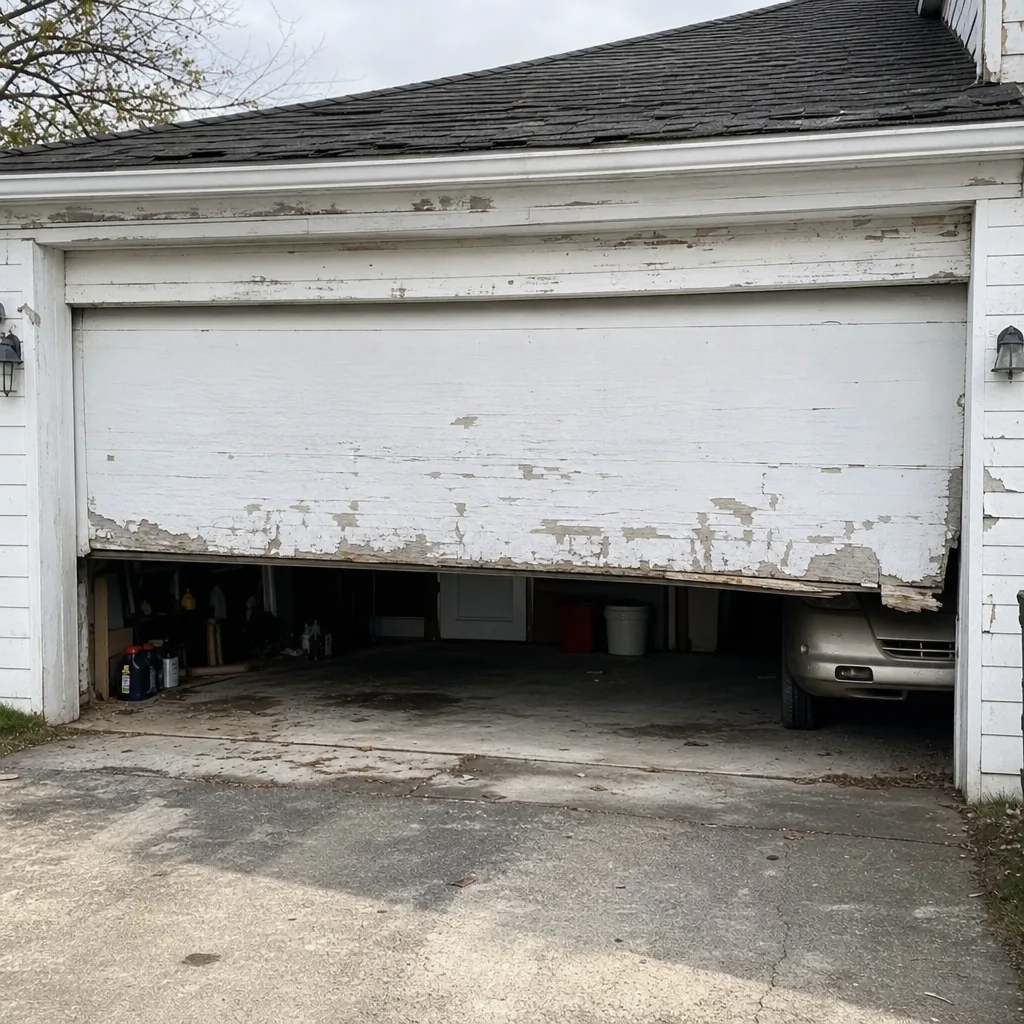
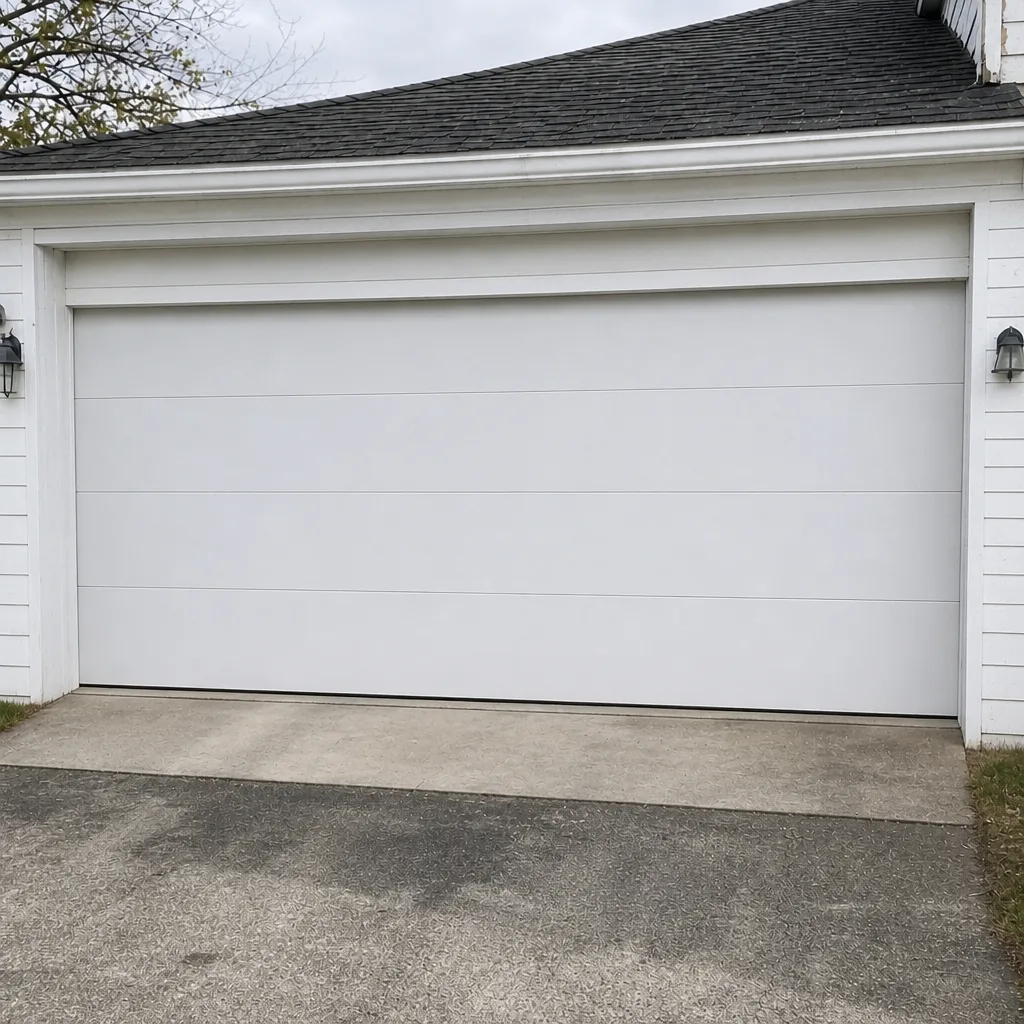
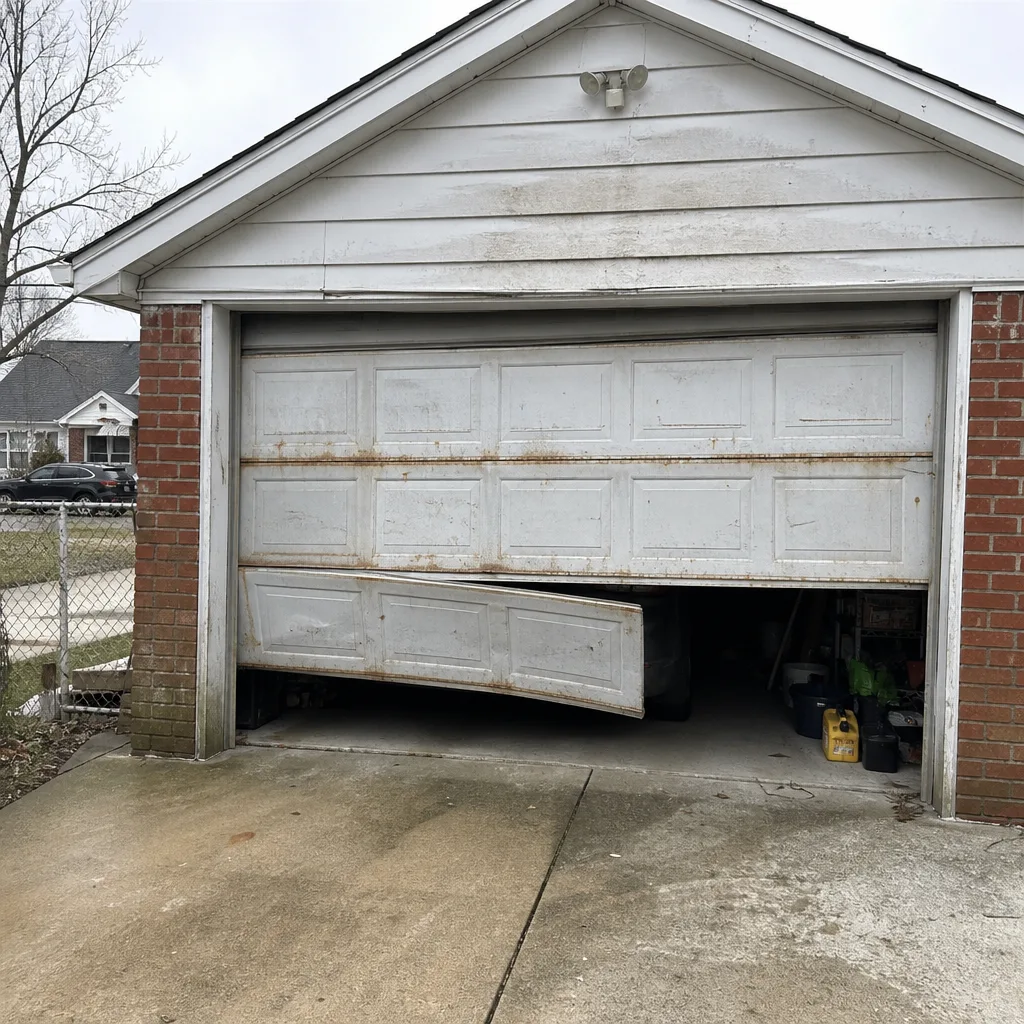
See the difference
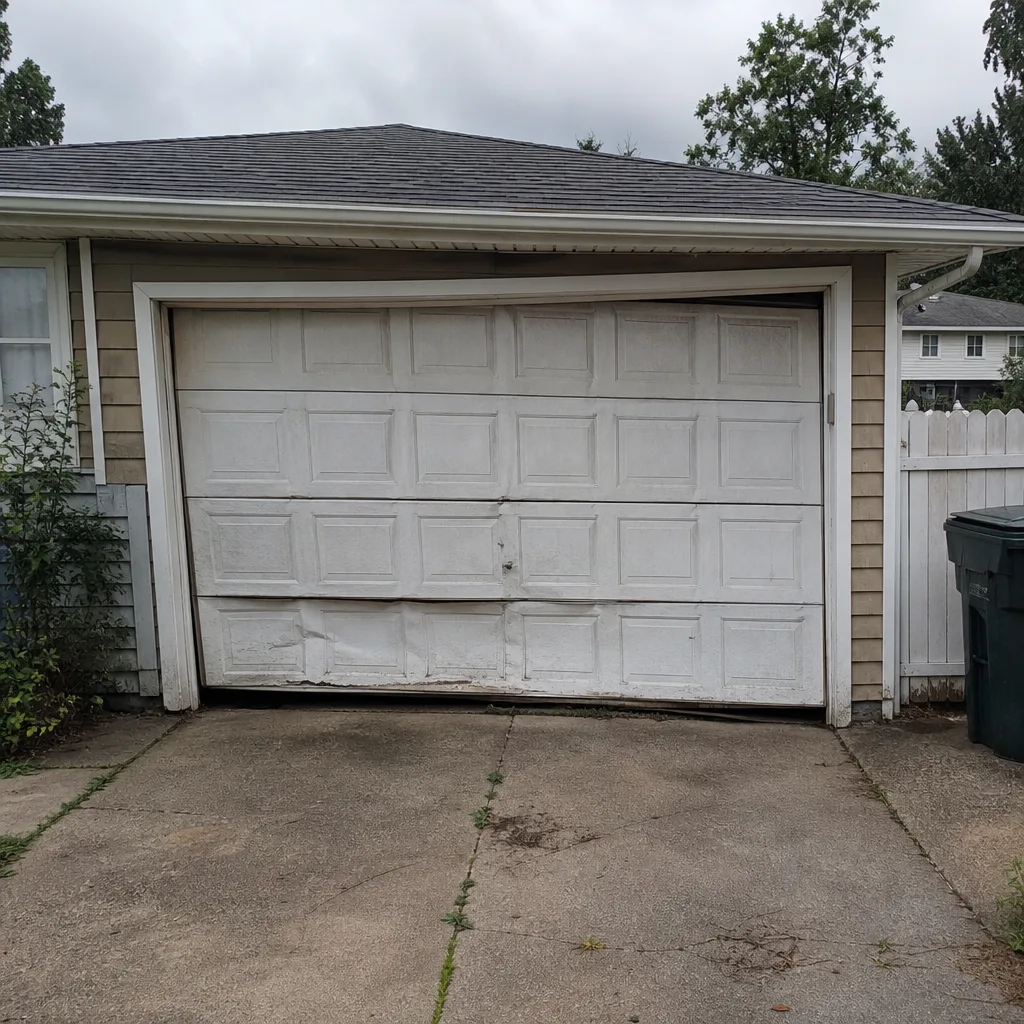 Before
 After
 Before
 After
 Before
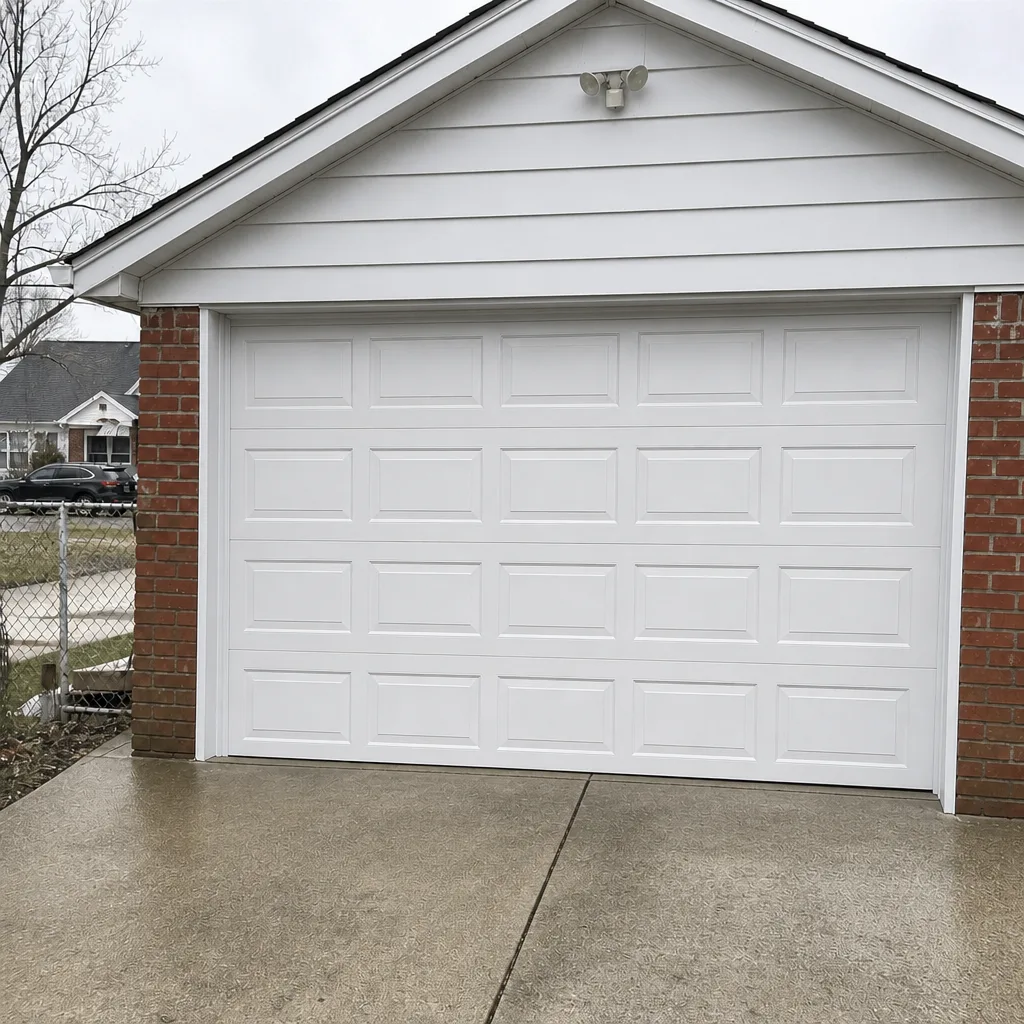 After
When to Call a Professional
Call when anything under tension is involved: a broken or sagging spring, a frayed or loose cable, a door that’s hard to lift by hand, or an opener that won’t reverse. Call when the door is off its track, has a visible dent in the rails, or won’t close flush against the ground after you’ve checked the seal. Call when you hear a snap, pop or grinding on a door that was quiet before. And call when a routine inspection turns up something you can’t safely investigate yourself. Long Beach Garage Door Repair Pros offers free estimates in Long Beach, and our technicians understand the local failure patterns that generic checklists miss. Call (855) 337-1762. Emergency garage door service is a core part of what we do, so a spring failure or a trapped car doesn’t have to wreck your day.
Frequently Asked Questions
A garage door in Long Beach should get a full professional inspection once a year, with homeowner checks every three months and after every major storm. The damp, grit-heavy conditions here wear hardware faster than a dry climate, so the quarterly interval matters more than it would inland. The annual inspection catches worn springs, cables and rollers before they fail.
Yes, you can safely lubricate hinges, rollers, springs and track channels yourself using a door-specific silicone spray or white lithium grease. Avoid standard multipurpose spray, cooking oil and any grease in the track. Never lubricate while the door is wet, and never touch the springs while the door is under tension.
A broken spring is the most common emergency we see, usually following months of wear that a homeowner could have spotted earlier. Stiff or grinding rollers are the second most common, and they often trace back to grit in the track and the wrong lubricant. Both problems are manageable when caught early.
Typical repair pricing depends on the job: spring repair is usually the most expensive single-item fix, opener repair is generally mid-range, and roller or hinge replacement is on the lower end. A single spring sits in one range and a matched pair is typically about double, since a pair is replaced together. Your written estimate sets the exact price, and the price is quoted and agreed before any work starts. Call (855) 337-1762 for a free estimate.
Yes. Emergency service is a core part of what we do, not an add-on, and we’re structured to respond fast when a broken spring or failed opener leaves a car trapped or a home unsecured. Call (855) 337-1762 and we’ll get your door back in working order as quickly as possible.
No. The price you’re quoted is the price you pay, provided the work is the work agreed on. If a technician finds an additional issue during the job, you’ll be told about it and given a new price to approve before anything extra is done. You’ll never get a bill for work you didn’t agree to.
The Bottom Line
A garage door in Long Beach doesn’t fail randomly. It follows a pattern set by grit, humidity and storm exposure, and most of that pattern can be managed with a few consistent habits. Clean and dry hardware after storms. Use the right lubricant. Check springs for signs of trouble and keep hands off them. Test the balance and safety reverse twice a year. Time the weatherstripping to storm season, not to a calendar. And bring in a technician once a year for the work that needs trained hands. The technicians who show up are trained and experienced on the eight major door brands, so you get a specialist who knows your system, not a generalist guessing. When something sounds wrong or a spring gives out, call (855) 337-1762 for a free estimate. We’d rather fix the small thing now than replace the whole door later.
Written by the team at Long Beach Garage Door Repair Pros.