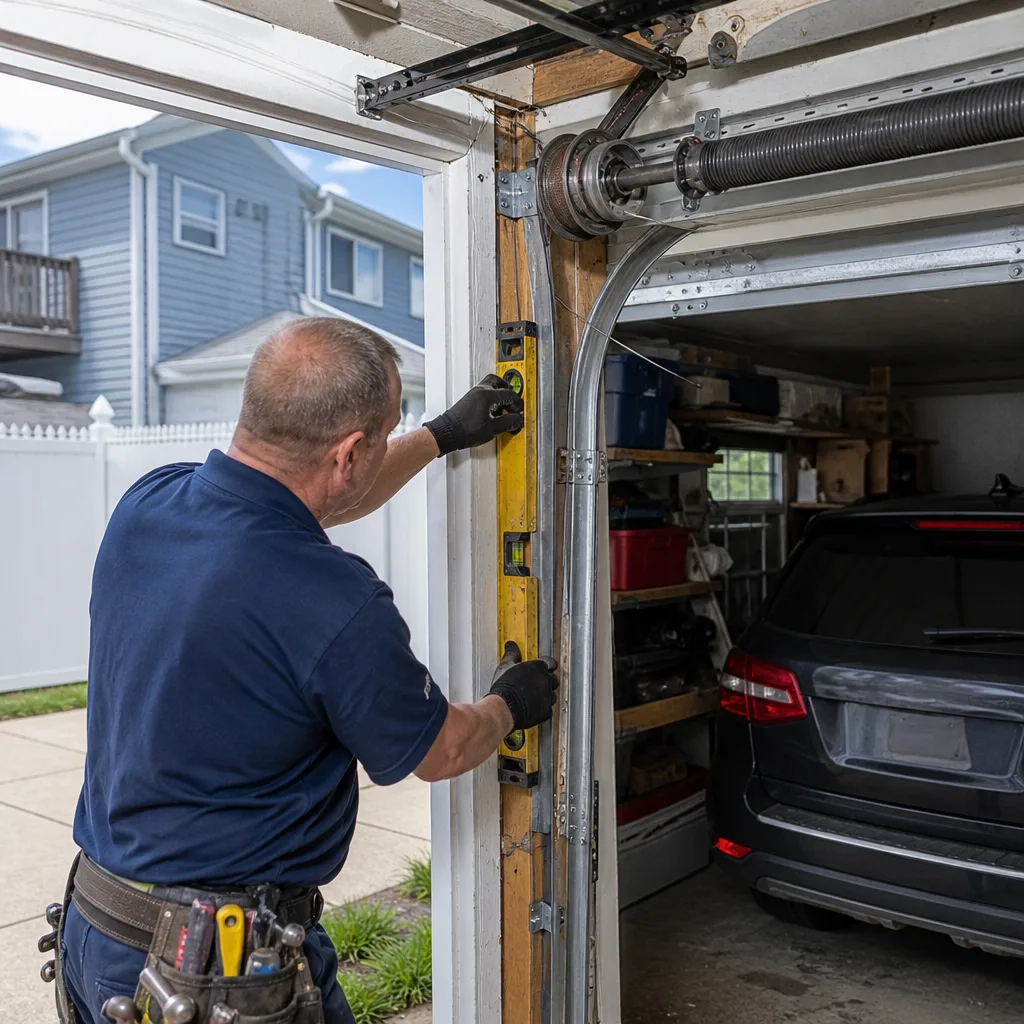
Last updated November 23, 2026
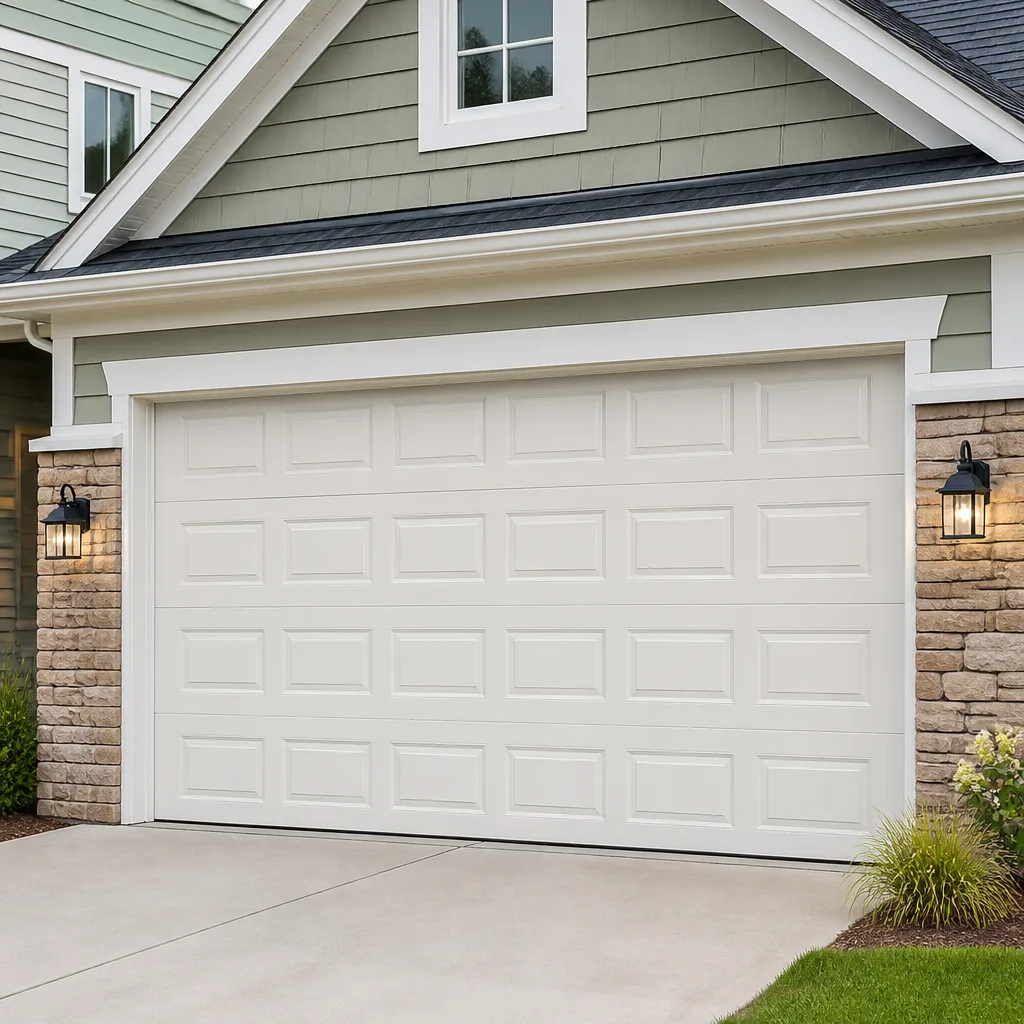 Raised-panel steel
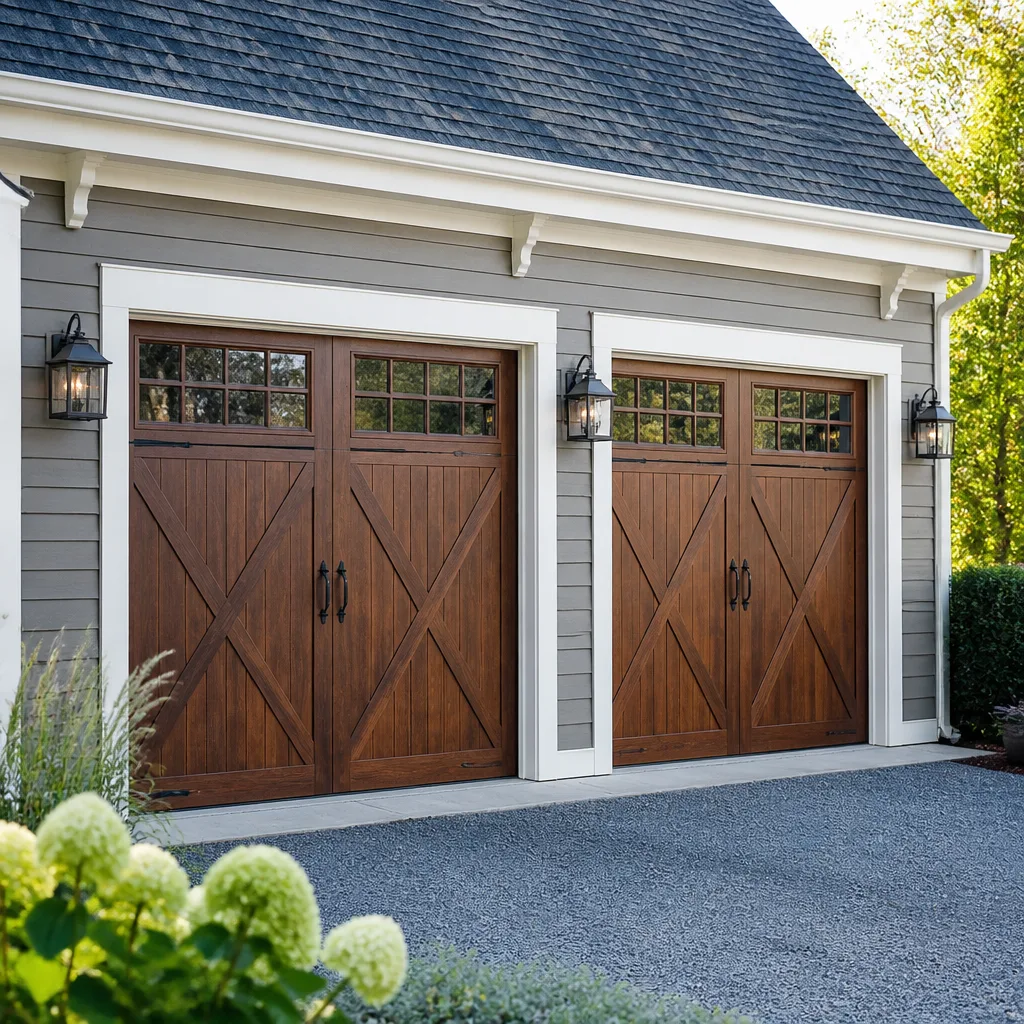 Carriage house
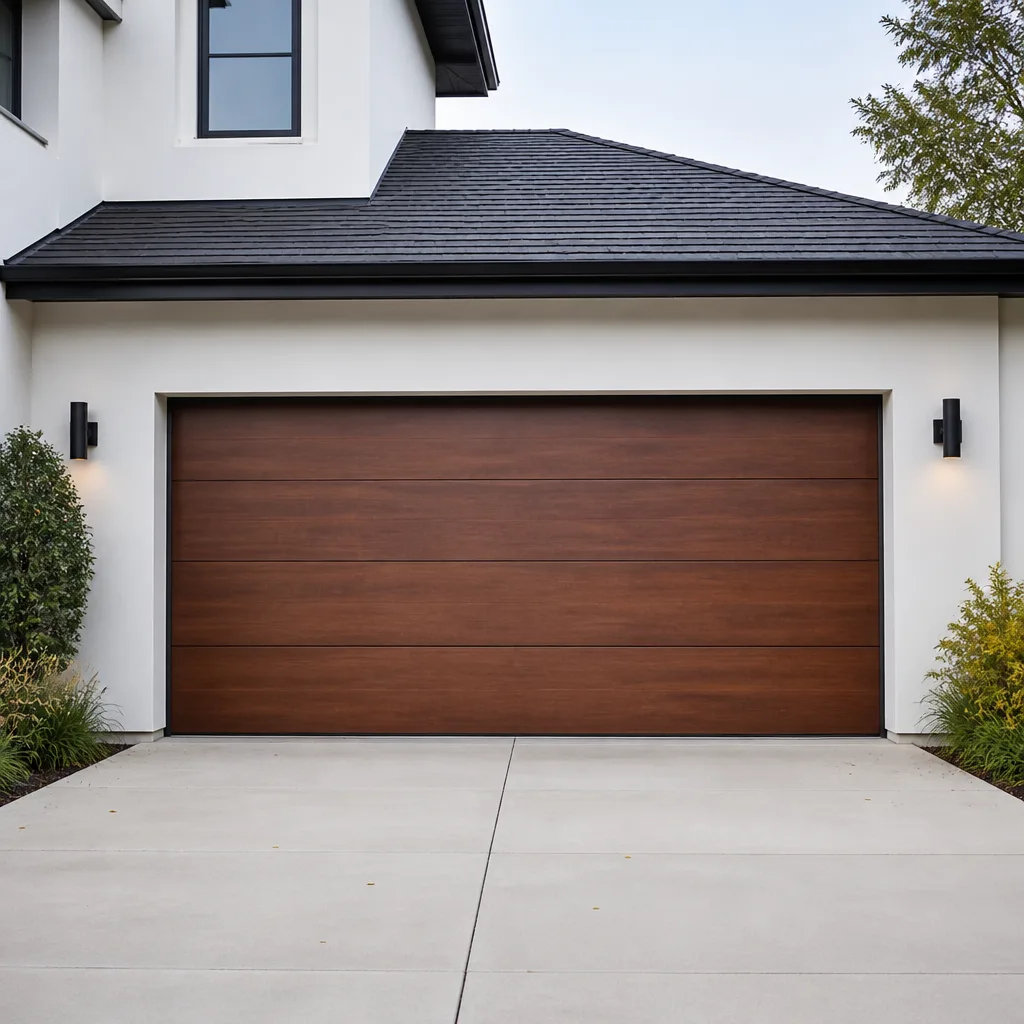 Modern flush
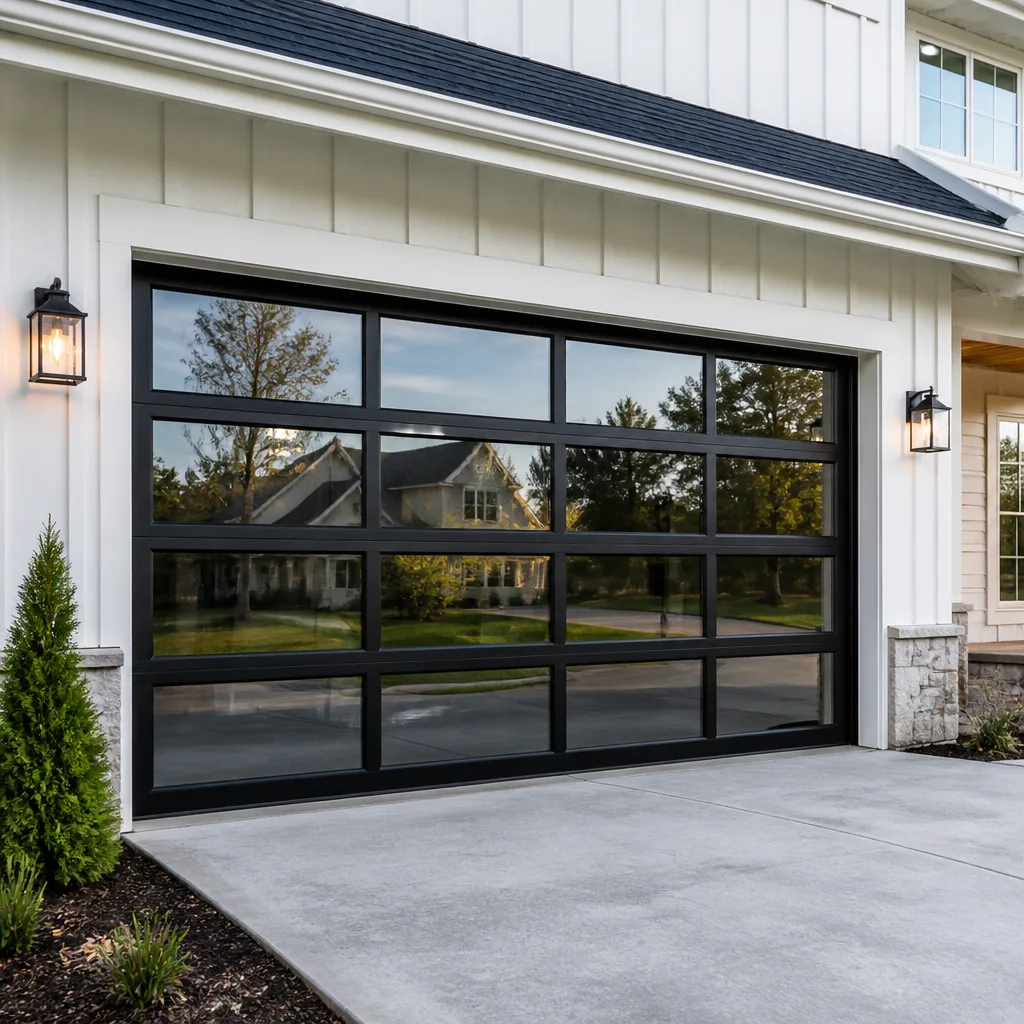 Full-view glass
 LiftMaster openers
 Chamberlain openers
Full 25-point door and opener safety check with every visit - springs, cables, rollers, tracks, and your LiftMaster or Chamberlain opener included
You get a price before we start. It does not change when the pro arrives.
Get your free estimateGarage Door Emergency Preparedness Guide for Long Beach Homes
Most homeowners think about their garage door twice a year at most. That is exactly the problem. When a storm is bearing down on Long Beach and the power goes out, the door becomes the weakest point in the house, and the moment you need it to work is the moment you realize you never learned how it operates without electricity. A door that will not open traps a car and blocks an exit. A door that will not close leaves everything inside exposed to wind and water. Neither crisis has to be improvised. This guide walks through manual operation, pre-storm reinforcement, spring failures, storm damage checks, and the emergency contact plan you should build long before you need it. Read it once now, keep it somewhere you can find it with a flashlight, and you will be far better prepared than most of Long Beach.
Quick Answer
A garage door emergency plan for a Long Beach home comes down to four things: knowing how to release the door manually when the opener or power fails, reinforcing or bracing a door that isn’t wind-rated before a storm arrives, knowing the exact sequence to follow when a spring snaps with the door stuck open or shut, and having a garage door professional’s number saved before the storm hits rather than scrambling for one during it. Write the plan down, test the manual release once with the door down, and keep the contact number with your storm supplies.
Styles & brands we work with
- Raised-panel steel
- Carriage house
- Modern flush
- Full-view glass
- LiftMaster openers
- Chamberlain openers
Table of Contents
- How to Open and Lock a Garage Door When the Power Is Out
- Pre-Storm Reinforcement for Doors That Aren’t Hurricane-Rated
- When a Spring Breaks and the Door Is Stuck Open or Shut
- Building Your Emergency Contact Plan Before the Storm
- Post-Storm Damage Assessment: What to Check First
- Opener and Power Failures Specific to Long Beach Homes
- Garage Doors and Evacuation Orders
- Common Mistakes to Avoid
How to Open and Lock a Garage Door When the Power Is Out
Every automatic garage door has a manual release, and nearly every homeowner has never touched it. When the opener dies or the power cuts out, the door can be disengaged from the opener with the red release cord that hangs from the trolley on the opener rail. Pulling that cord (or the handle on it) frees the door from the motor so you can lift it by hand. That is the whole procedure, and it takes about two seconds. What comes after it is where people get into trouble.
Before you pull the cord, understand three things.
- Pull it only with the door fully closed. If the door is open and you release it, it will come down under its own weight. The springs are under far less tension when the door is down, so a closed door is the safe position to release.
- Expect the door to be heavy. A single-car door might weigh 130 to 180 pounds depending on its construction; a double-car door runs much more. With the springs doing their job you should be able to lift it, but have someone ready to help. Never stand directly under the door while lifting it.
- The door will no longer lock itself. Once it’s disengaged, the opener can’t hold it down. If you leave it, someone can open it by hand from outside. That’s the security gap most people miss.
Locking the door in a manual state
Most residential doors have a manual locking bar or slide bolt on the inside of one or both bottom corners. With the door closed, slide it into the track. If your door doesn’t have one, a pair of locking pliers clamped above the roller on the track can hold it for a short time, but this is a temporary measure only. When you re-engage the opener, pull the release cord again so the trolley catches, then run the opener one cycle to confirm it reconnects. Our technicians at Long Beach Garage Door Repair Pros replace a lot of opener trolleys that got bent because the door was forced back onto the motor instead of being re-engaged gently.
If your door is very old or the opener is a legacy unit without a release trolley, the procedure differs. Don’t guess. This is one of the moments where a quick phone call to a garage door repair professional saves you from bending the rail.
Pre-Storm Reinforcement for Doors That Aren’t Hurricane-Rated
Most garage doors on Long Beach homes were not designed to resist hurricane-force winds, and many were never updated. A standard sectional door is one of the largest openings in the house, and when wind pressure builds against a door with insufficient bracing, the panels can bow inward, the rollers can pop out of the track, and in a serious event the door can fail outright and let the wind into the building. Reinforcing a non-rated door before a storm is the single most valuable prep step a homeowner can take, and it doesn’t take long.
Practical options for existing doors
You have a few paths, and the right one depends on the door you have:
- Vertical brace kits. These are retrofit struts that bolt across the inside of the door panels and stiffen it against wind pressure. They work on most standard sectional doors, and they’re the most cost-effective upgrade for a door that wasn’t built to a wind rating.
- A rated door. If the door is more than 15 to 20 years old, bracing it might cost half what a replacement does. A new door built to a specific wind rating is a permanent solution, and this is a conversation to have in the off-season, not 48 hours before a storm.
- Panel reinforcement for wide doors. Double-wide doors flex more than single doors. They often need added horizontal supports to keep the panels flat under wind pressure.
Brand matters here. Doors from Clopay and Wayne Dalton have manufacturer brace kits for many of their models, and using the matching kit is faster and safer than a universal strut. If you’re not sure what door you have, look for the manufacturer label on the inside of the top panel, or the sticker on the side jamb. Our technicians work with the eight major brands – LiftMaster, Chamberlain, Genie, Clopay, Amarr, Wayne Dalton, Craftsman, and Raynor – so we can usually identify your door from the hardware on it.
What about bracing it yourself?
Bracing is one place where a professional install is worth the cost. The braces mount to the door’s hinges and frame, they need to be spaced correctly against the panel, and if a spring or cable is already under tension, working inside the door creates real injury risk. The install itself is quick when a trained technician does it. This is not the job to learn on a ladder with a storm approaching.
Call (855) 337-1762 for a free estimate on reinforcement or a new door. Emergency situations get same-day response when possible.
When a Spring Breaks and the Door Is Stuck Open or Shut
A spring failure is the most common garage door emergency we see, and it always happens at the worst possible moment. The door will either be sitting closed, not budging when you hit the opener, or it will be up with a car underneath. Both cases have a specific sequence to follow, and neither involves touching the spring itself.
The door is stuck closed
- Stop pressing the button. The opener is now lifting the entire door with zero spring assistance. That burns out the motor quickly.
- Check the release cord. If the door is closed and the power is out, you can release the trolley and lift it by hand with help. If the spring is broken, don’t try to lift it alone. A door with a broken spring weighs its full working weight, sometimes 200 pounds or more.
- Look at the spring. A broken torsion spring has a visible gap in the coil across the shaft above the door. A broken extension spring has separated and is usually hanging on the track. Both are under extreme tension. Do not touch, cut, or try to reposition either one.
- Leave the door down and call. This keeps the garage secure and keeps the door out of the way of the repair.
The door is stuck open
This is the higher-risk scenario, especially with weather coming. If the door was up when the spring failed, the opener might hold it, or it might drop if you touch it.
- Don’t run the opener. If the motor is holding the door up, use its manual release only after someone is in position to support the door.
- Lower the door carefully with help. With a broken spring the door will fall fast. One person on each side, hands on the bottom edge away from the hinges, guide it down slowly. Never put your hands between the door and the jamb.
- Secure the door down using the manual lock or a clamped roller as described earlier.
- Call a spring specialist. Spring replacement is a trained job. The stored energy in a torsion spring is enough to cause serious injury, and no DIY video is going to change that.
This is what we mean when we say garage door spring repair is a skill that has to be done right the first time. Saved springs are not worth the hospital bill. We keep spring repair as a named specialty, not an occasional job, and technicians are equipped to handle torsion and extension systems on all the major door brands.
The Long Beach housing stock runs from small postwar homes with single-car doors to larger two-car setups with heavier steel doors. Spring sizing is specific to the door weight, and swapping in a heavier or lighter spring shortens door life or causes unbalanced operation. If you’ve had a spring failure before, the door may need a matched pair rather than a single replacement.
Building Your Emergency Contact Plan Before the Storm
Finding a garage door pro in Long Beach the day after a storm is harder than most people realize. During a major event, phone lines are overwhelmed, neighborhoods flood, and every homeowner with a damaged door is calling at the same time. The contractors who do garage doors specifically – the ones who can actually fix a broken spring or replace an opener – get booked out for days. Building your contact plan before the storm is not a paranoid exercise; it is the difference between getting a real repair in the days after and waiting weeks.
What goes in the plan
Put the plan together once. Keep a printed copy in your storm supplies, because your phone may die.
- Two garage door contacts, saved in your phone and written onto paper. Save the number for a garage door specialist who handles emergency calls. Ours is (855) 337-1762, and we’re set up to receive urgent repair requests as a core part of what we do, not as an afterthought.
- Your door’s make and model. Look at the label on the inside of the top panel. Write down the brand and the model number. It tells the technician immediately what parts and springs they need.
- Your opener’s brand and model. Same idea. If the opener is a LiftMaster or a Chamberlain, the parts and procedures differ from a Genie or a Craftsman. Write it down.
- The nearest alternate exit. If the garage normally serves as your primary exit, know the second escape route from the house.
- A way to open the door manually. Test the red release cord once this week with the door closed. Confirm it releases and re-engages. Learn the motion with nothing at stake.
Why the timing matters
In the days before a storm, garage door work gets booked up along with every other trade. Getting on a technician’s schedule for a reinforcement or opener check before the weather turns is straightforward. Getting a repair on the day of the storm is not, even for a company that handles emergency calls as its main line of work. Simple prep tasks like tightening the track, lubricating the rollers, and testing the safety reverse should be done in the off-season.
Post-Storm Damage Assessment: What to Check Before Resuming Normal Door Use
After a storm moves through Long Beach, a garage door should not be opened from the outside like nothing happened. Wind, debris, and water intrusion can bend panels, pop rollers out of the track, and stress the spring hardware in ways that only show up when the opener tries to lift the door. Walk the door before you touch the button.
Check these in order
- Look at the whole door from the outside. Look for dented or bowed panels, a door that’s no longer sitting flush with the weather seal, and any obvious gap between panels. A bowed panel can fail entirely if it’s run through a cycle under load.
- Check the track on both sides. Track that’s visibly bent, out of plumb, or pulled away from the jamb means the door should not be operated. Rollers can pop out and the door can come down unevenly.
- Inspect the springs and cables. Look for separated springs and slack or frayed cables. Do not touch them. If either looks wrong, do not run the opener.
- Test the door by hand, gently. With the door disengaged, lift it about a foot. It should feel smooth and reasonably light. Rough spots, grinding, or a door that feels far too heavy mean something is out of balance.
- Run one cycle and watch it. If the door moves smoothly, stays in the track, and reverses on a safety test, you’re back to normal operating.
- Check the opener for water intrusion, a tripped breaker, and reset behavior. A safety reverse test by putting a block of wood under the door as it closes is a fast, clear way to confirm the opener is still functioning correctly.
If any of those checks turns up damage, leave the door alone and call a garage door specialist. A bent track or a warped panel can look minor and fail catastrophically. We’ve seen the difference between a five-minute realignment and a full door replacement hinge on how quickly a homeowner recognized a bent panel and stopped using the door.
After a storm, water intrusion around the weather seal and the jamb is also something to check. If the bottom seal is coming loose or the door isn’t sitting flush, the next rain will get inside again.
Opener and Power Failures Specific to Long Beach Homes
Storm-related power loss is the most common reason a garage door refuses to work when you need it, and it usually isn’t an opener failure at all. The opener is dead because the wall outlet is dead. But there are other failure modes worth knowing.
Common culprit list
- Tripped breaker or GFCI outlet. Garage outlets have a habit of tripping after power surges. Check the breaker panel and any GFCI outlet on the garage wall before assuming the opener is broken.
- Dead opener battery. Modern openers have a battery backup that will run the door a few cycles during an outage. That battery ages out silently. If your opener has one, the off-season is the time to know how old it is.
- Safety sensor misalignment. Small object knocked into the path of the sensors blocks the door from closing. The sensors are on either side of the door at floor level, and they need to see each other. A visibly glowing or blinking LED on either sensor is a quick clue.
- Burned-out opener capacitor. This shows up as a door that hums but won’t move. It’s a routine repair, but not a homeowner fix.
- The remote or keypad. A dead battery or lost pairing can look like an opener failure. Test the wall button separately before assuming the opener is at fault.
If the opener is failing repeatedly, this is a sign of a real problem. We handle garage door opener repair on LiftMaster, Chamberlain, Genie, and Craftsman systems, including the smart-home-compatible models a lot of Long Beach homeowners use. If the opener is older and beyond repair, we can talk you through replacements that match the door and the way you actually use it.
Power outage without a battery backup
This is where knowing the manual release procedure matters. If your opener has no battery backup, plan on using the manual release every time the power goes out. If that happened repeatedly last year, a modern opener with battery backup might be worth it as a permanent upgrade, and if the power outages are frequent enough, the opener should be installed by a pro who sets it up correctly.
Garage Doors and Evacuation Orders
When a mandatory evacuation order comes, the last thing you want is a garage door that won’t close, or a door that closes but won’t lock. Both situations happen, and both are avoidable with a plan made ahead of time.
Before you leave
- Close the door fully and confirm it’s down. Don’t leave the door up, even if you’re coming back shortly.
- Engage the manual lock. The opener’s automatic hold isn’t enough. Use the inside slide bolt if the door will be unattended.
- Disconnect the opener if the power is on but about to go off. This prevents the opener’s safety reverse from re-opening the door if it’s bumped by wind or debris. Use the red release cord with the door down.
- Take a photo of the door in its closed position. Useful for the return trip and for any insurance claim.
- Grab the door’s brand and opener info. It’s already in your emergency plan if you built one.
On return
Run the post-storm assessment from the previous section before using the door normally. If the power is still out, expect to open the door manually until the grid comes back.
If you know an evacuation order is coming, the smartest move is having a garage door professional check the door before you leave. You can call (855) 337-1762 to arrange a pre-departure check with a free estimate on any repair or reinforcement it turns up. Opening and closing the door should never be a question mark during an evacuation.
Common Mistakes to Avoid
- Never touching the red release cord until the power fails. Learn how the release works before you need to use it. Test it with the door closed and re-engage the trolley. You’ll remember the motion, and you’ll know whether your specific door is easy to release or stubborn.
- Running the opener when the spring is broken. The motor is not designed to lift a door without spring assistance. Doing it once or twice can burn out the opener and turn a $200-ish repair into a full opener replacement, and this is the repair most often needed after a storm on Long Beach homes.
- Skipping pre-storm reinforcement on a non-rated door. Hoping the door came through the last storm, so it will come through this one, is a common and expensive assumption. Check the door’s rating and reinforce if it isn’t rated.
- Not clearing the garage track of debris after a storm. A single twig or rock in the track can cause a door to run off the rails, and that’s a bigger repair than the one you were trying to avoid.
- Assuming a failure on one side of the door only means a one-sided problem. Garage doors run on a balanced spring system. A door that lifts unevenly usually has a spring or cable problem on the other side, and a technician needs to check both.
- Trying to manually lift a door alone after a spring failure. A door with a broken spring is surprisingly heavy and can fall during handling. Two people at minimum, and neither person anywhere under the door.
- Not saving a garage door specialist’s number before the storm. Save it now. Save it twice. Written on paper, saved in your phone, and taped inside the door of your storm-supply bin. When the power has been out for hours, your phone is your plan.
See the difference
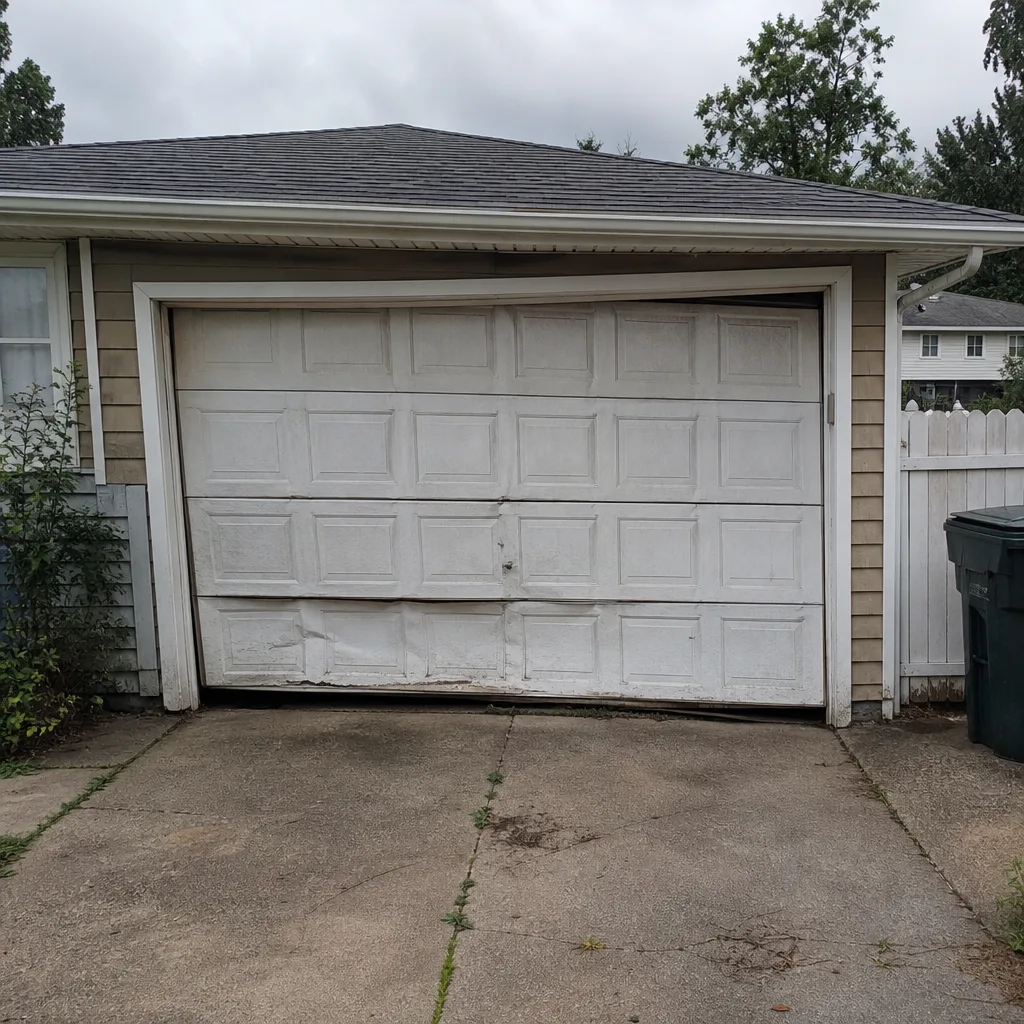 Before
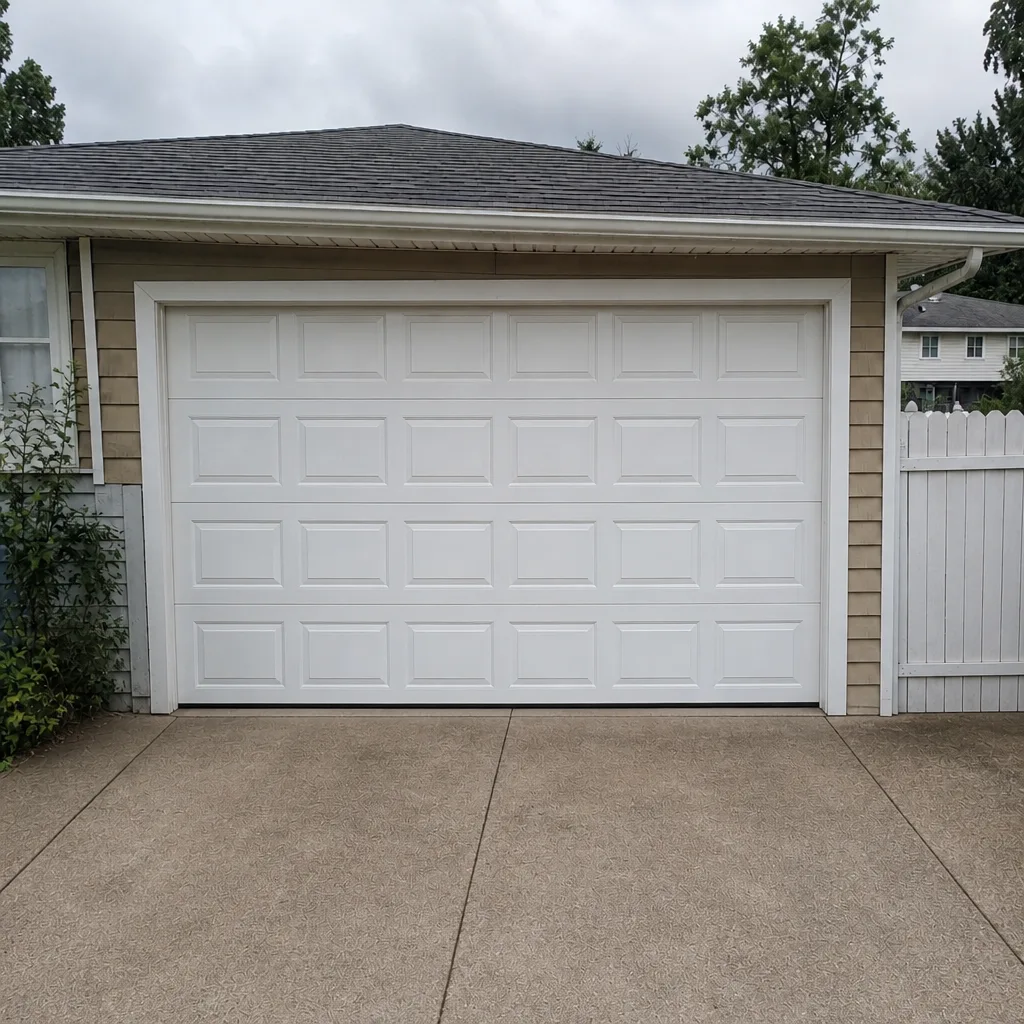 After
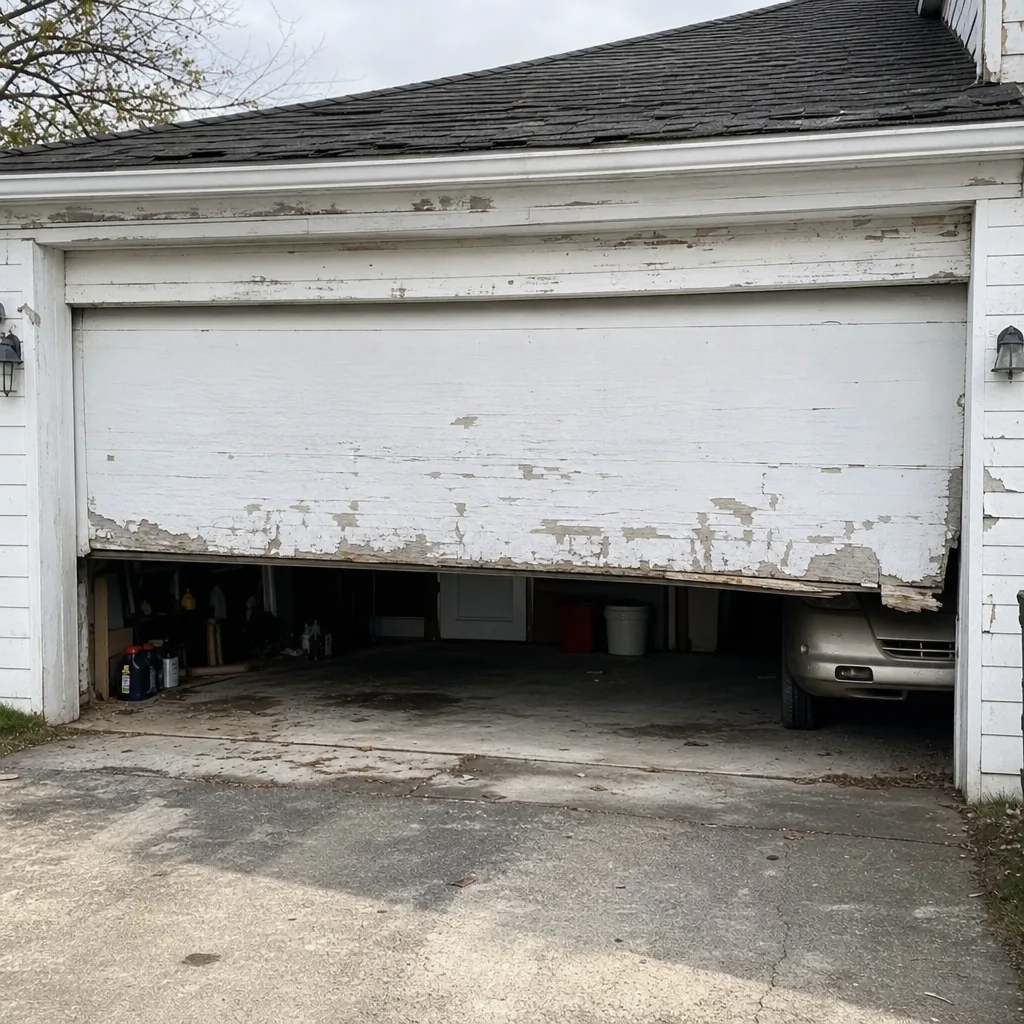 Before
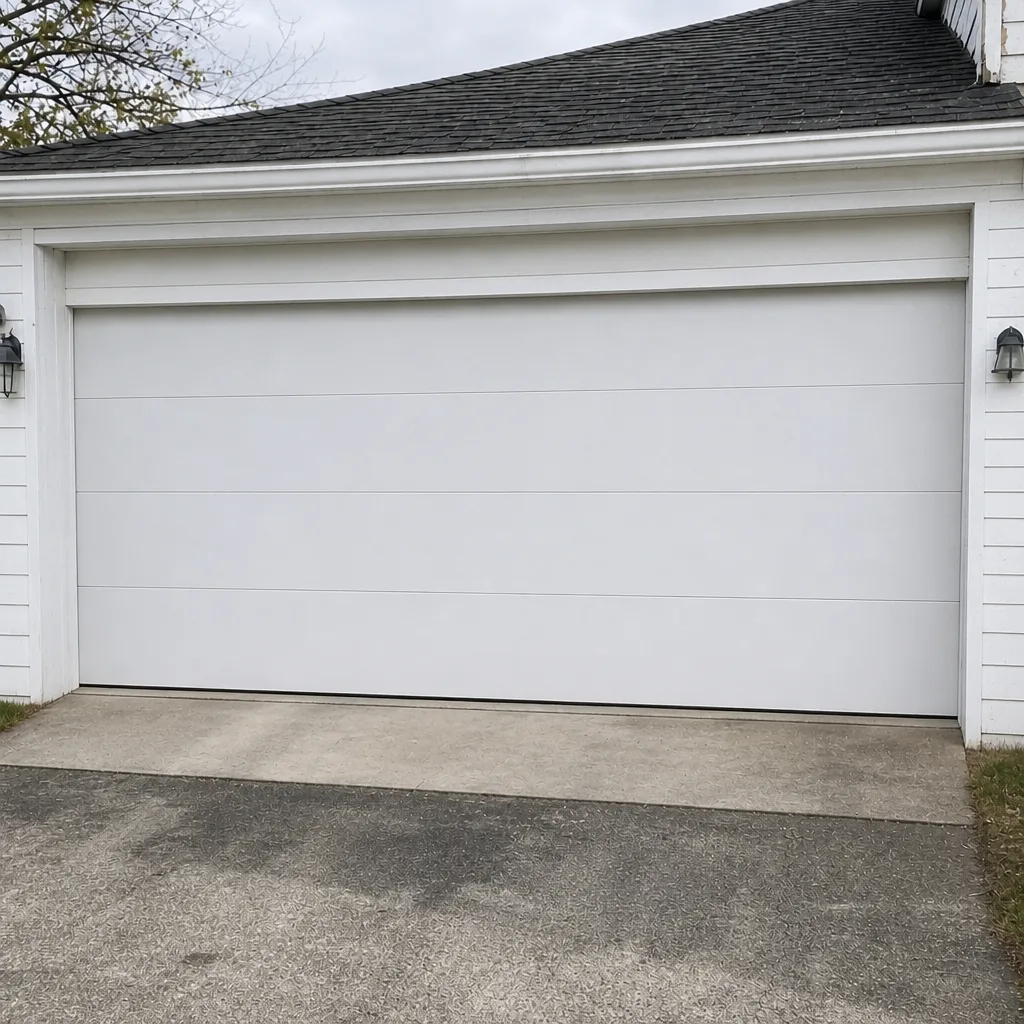 After
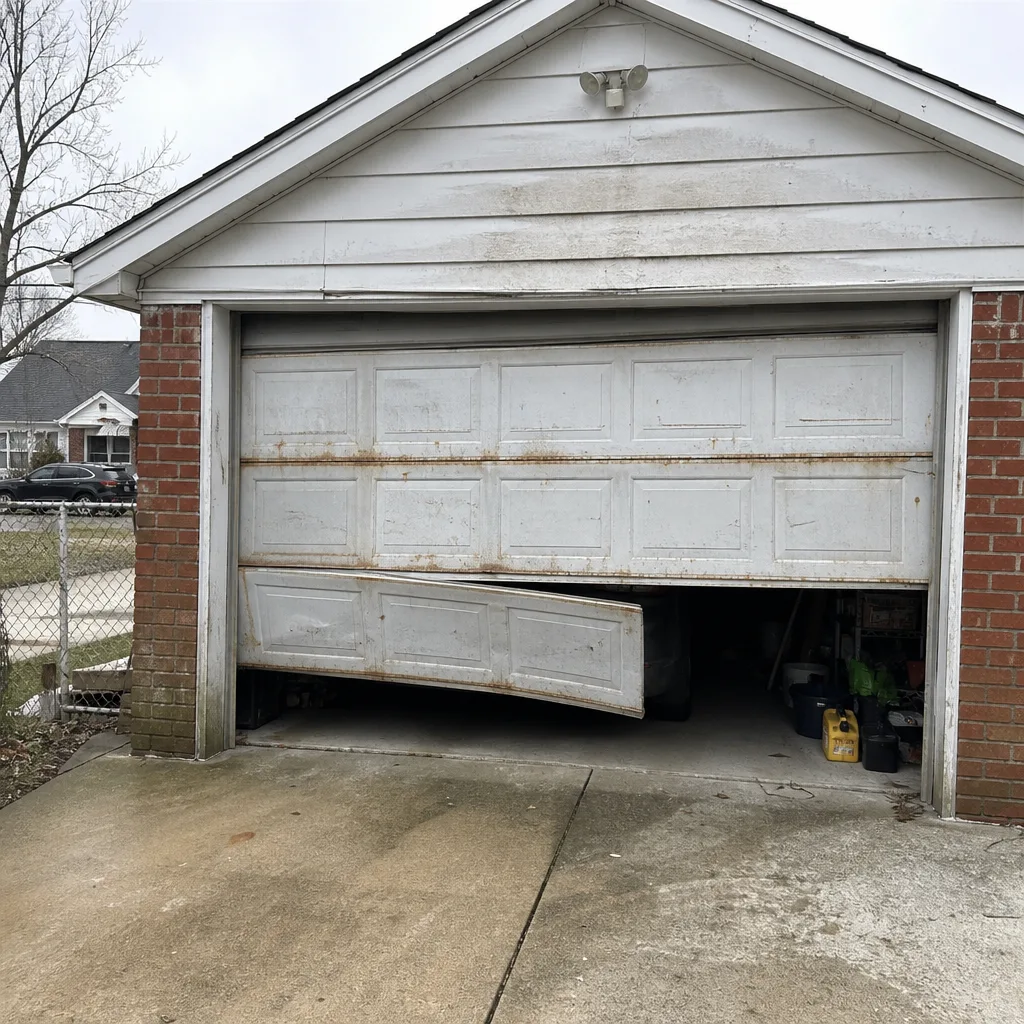 Before
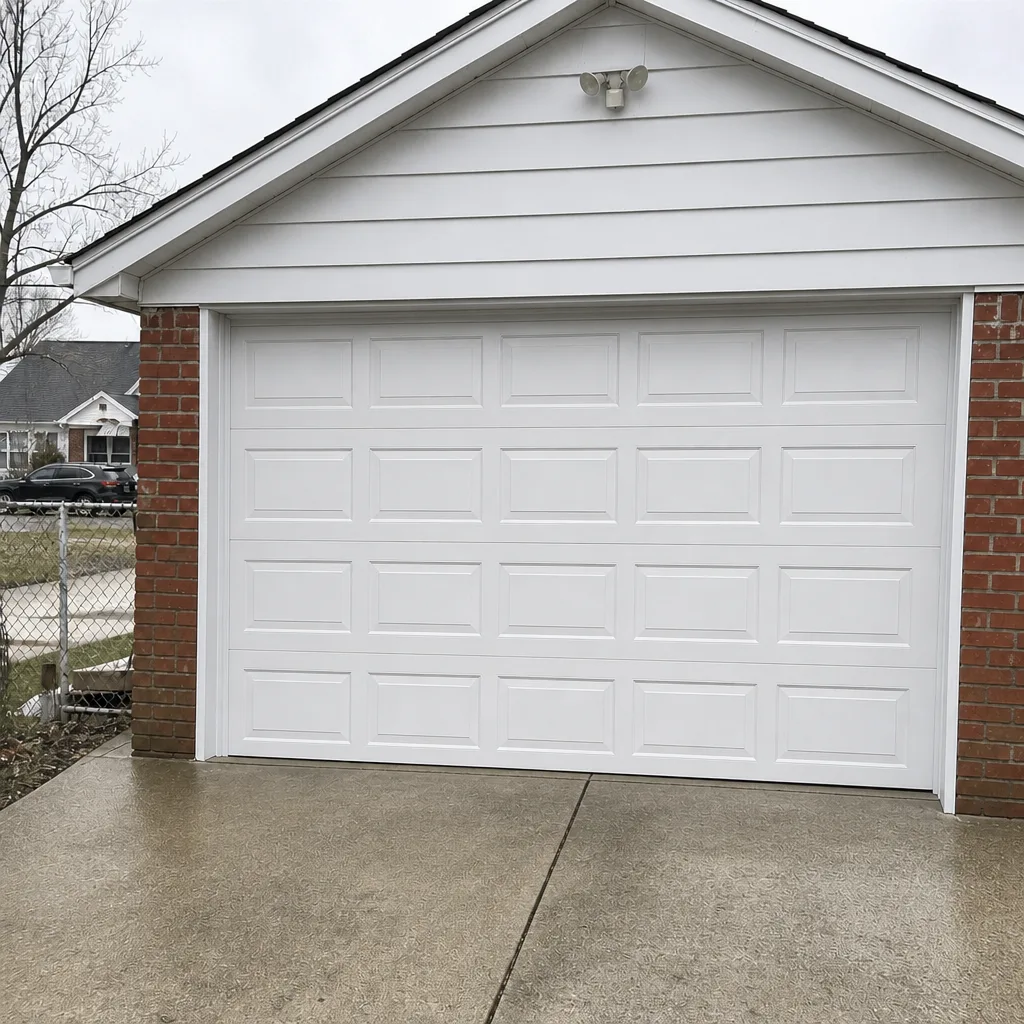 After
When to Call a Professional
Some garage door problems are worth a call, and some genuinely are not. The ones that need a professional: any broken spring, any visibly frayed or slack cable, any track that’s bent or pulled from the jamb, any opener that hums without moving the door, and any door that fails a safety reverse test after a storm. Those are not DIY candidates, and they carry real injury or property damage risk. On the other side of the list, a dead remote battery, a misaligned safety sensor, and a tripped GFCI are safe, quick homeowner fixes. If you’re not sure which side of the line a problem is on, call us. Long Beach Garage Door Repair Pros offers free estimates in Long Beach – call (855) 337-1762. We handle repair, opener repair, spring work, and new door installation, so a repair that turns into a replacement doesn’t mean switching companies. Our technicians have up to 11 years of experience on eight major brands.
Frequently Asked Questions
Pull the red release cord hanging from the opener trolley to disengage the door from the motor, then lift the door by hand with help. Do this only with the door fully closed, since pulling the release on an open door lets it drop. After the door is disengaged, it will not lock itself, so plan on using the manual lock bar or a clamped roller until the power comes back.
We take emergency calls as a core part of our work, and same-day response is often possible depending on the storm’s severity and how backed up calls get, so call (855) 337-1762 as soon as you notice the failure. If you can’t reach us immediately, leave a message with the door’s brand and model and where the door is stuck (open or closed), and we’ll call back in order. The best protection against long waits is having a plan and a contact saved before the storm.
Not automatically. Walk the door, look for bowed panels, check the track on both sides for bending or pulling from the jamb, and look at the springs and cables for any visible damage. If everything looks clean, run one cycle and watch it carefully. If the door looks fine but feels heavy or runs roughly, don’t keep operating it. Call a garage door professional for a check.
That depends entirely on your policy and your deductible, and we can’t advise on coverage. What we can do is give you a written estimate for the repair so you can talk to your insurer with real numbers. Photograph the door before any repair is done, and save the estimate with your claim paperwork.
Reinforcement is a retrofit strut or brace kit added to your existing door to stiffen it against wind pressure, and it’s the faster, lower-cost option. A replacement door is built to a specific wind rating from the factory, which is a permanent solution but takes weeks to measure, order, and install. If your door is young and in good shape, reinforce it. If it’s older or already showing panel damage, plan the replacement in the off-season.
We work with the eight major brands: LiftMaster, Chamberlain, Genie, Clopay, Amarr, Wayne Dalton, Craftsman, and Raynor. That covers most of the doors on Long Beach homes, and technicians know the specific hardware and quirks of each one. If you’re not sure what brand you have, look at the label on the inside of the top panel or on the side jamb. If you can’t find it, we’ll identify it on the visit.
The Bottom Line
The Long Beach homeowners who come through a storm without a garage door crisis are not the lucky ones. They’re the ones who thought about it beforehand. Know where your red release cord is and how it works. Reinforce or replace a non-rated door before the weather turns. When a spring breaks, protect the garage, keep your hands off the spring, and call. Build a contact plan and stick it somewhere you’ll find it with the lights out. If you’re reading this in the calm before the storm, use that time. Call (855) 337-1762 for a free estimate on reinforcement, repair, a new door, or a full opener check and get the plan in place before you need it. Our team at Long Beach Garage Door Repair Pros works on whatever’s on your home, and we’d rather help you prepare than have you call during a crisis. From opener glitch to full door replacement, it’s what we do.
Written by the team at Long Beach Garage Door Repair Pros.