Last updated November 23, 2026
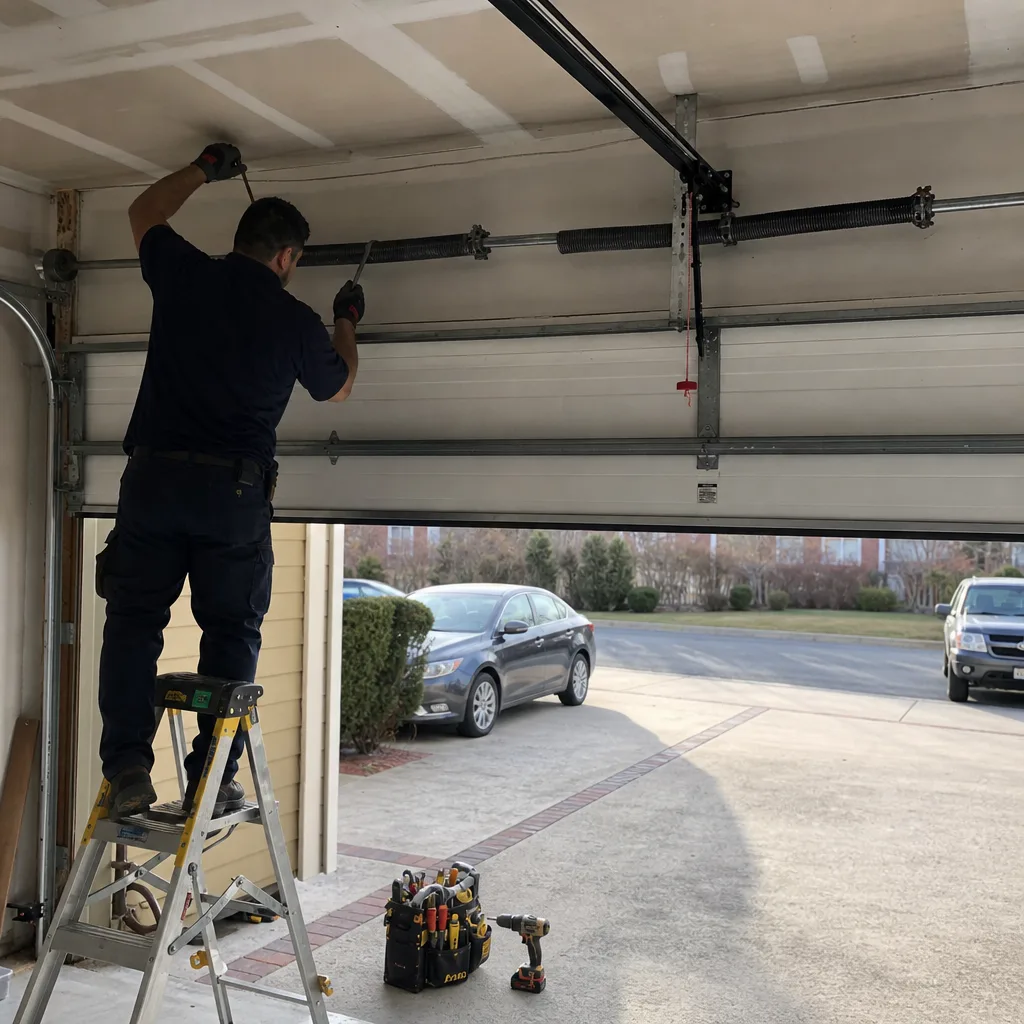
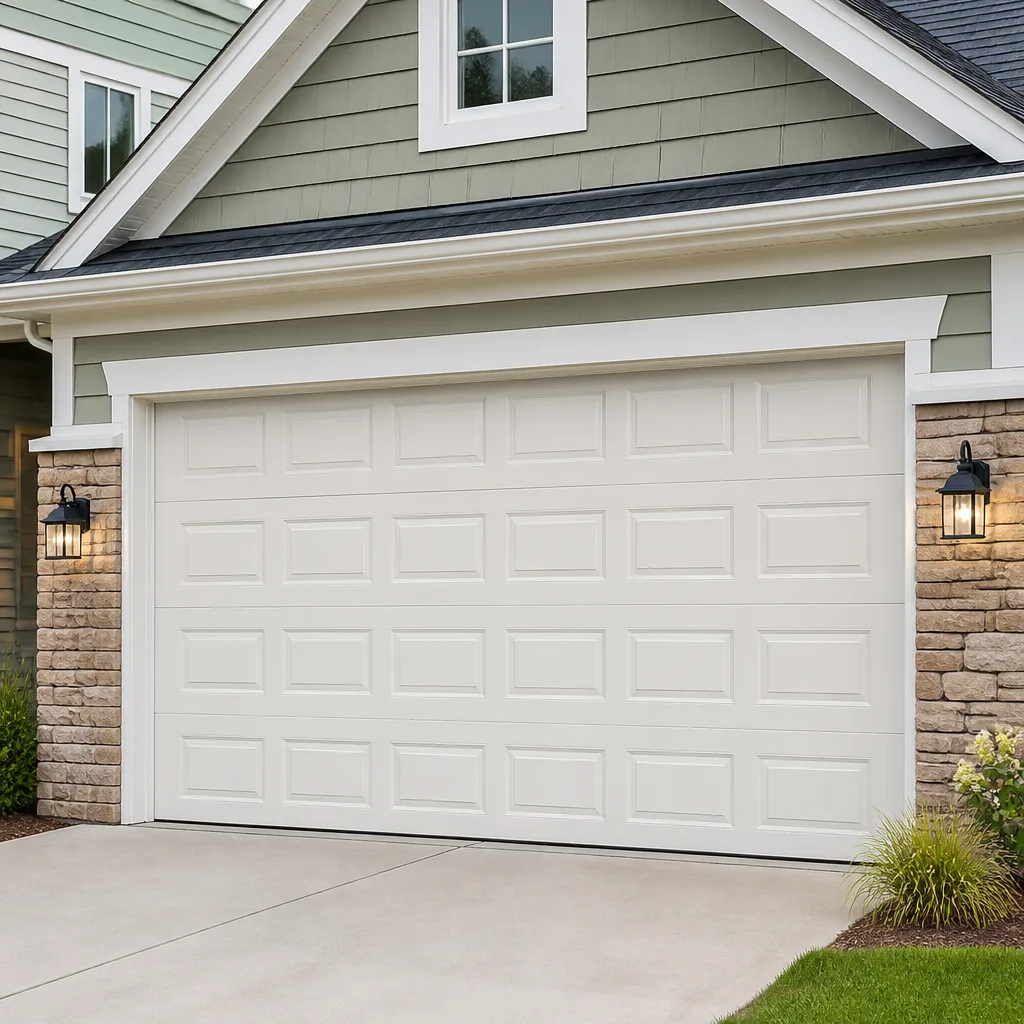 Raised-panel steel
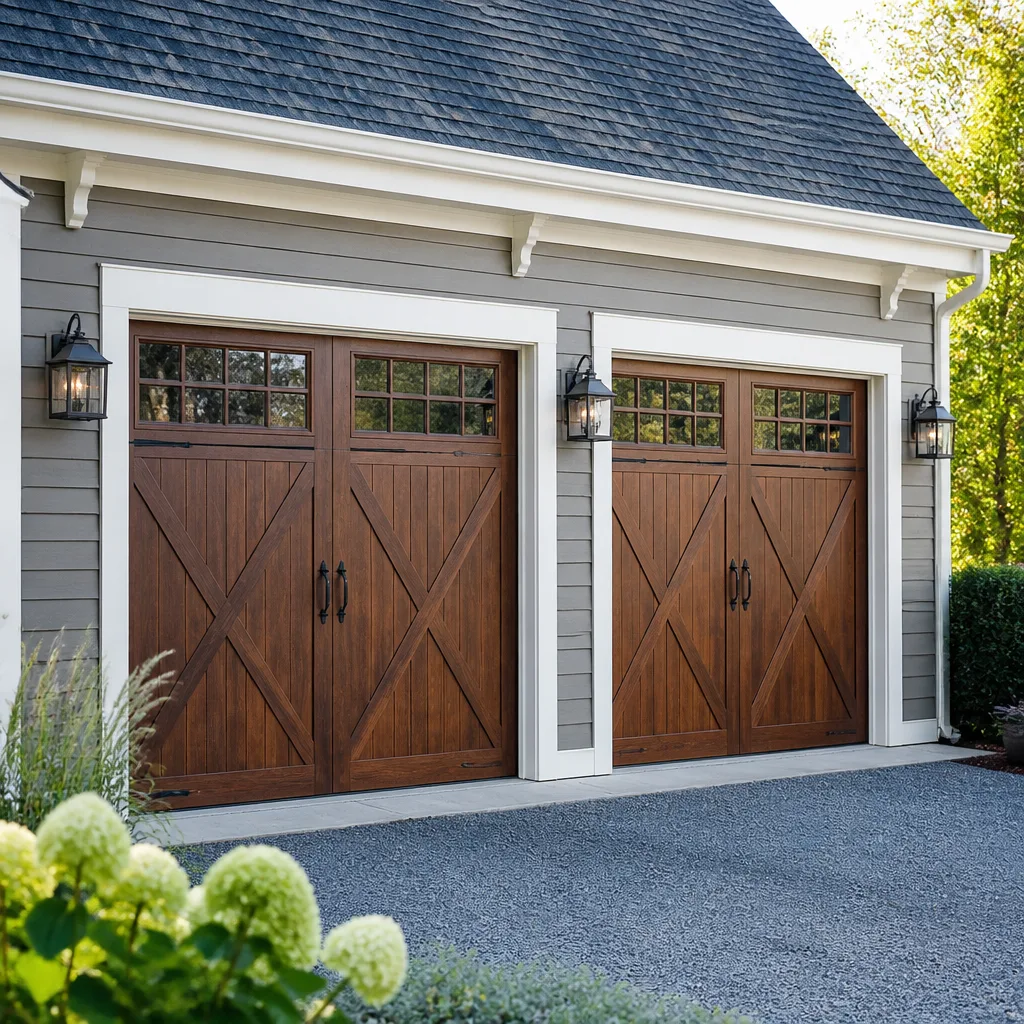 Carriage house
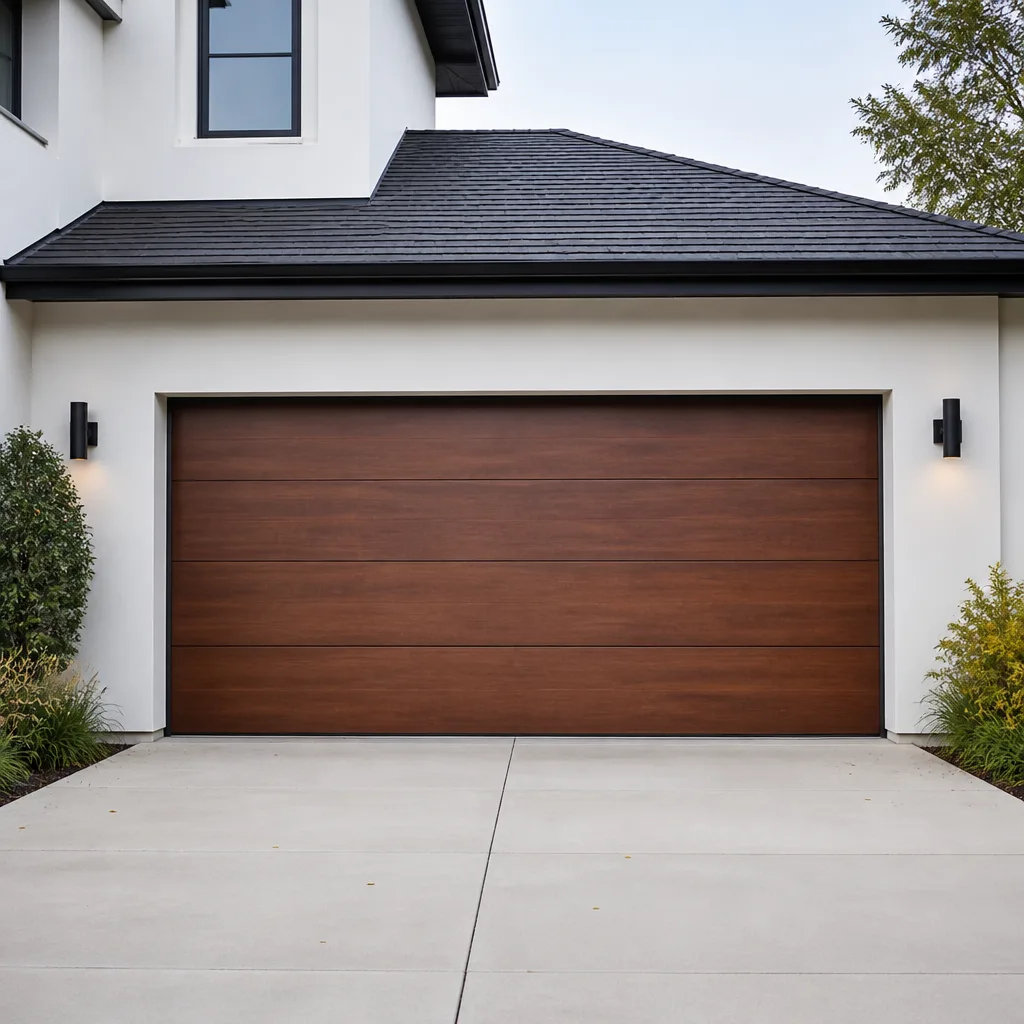 Modern flush
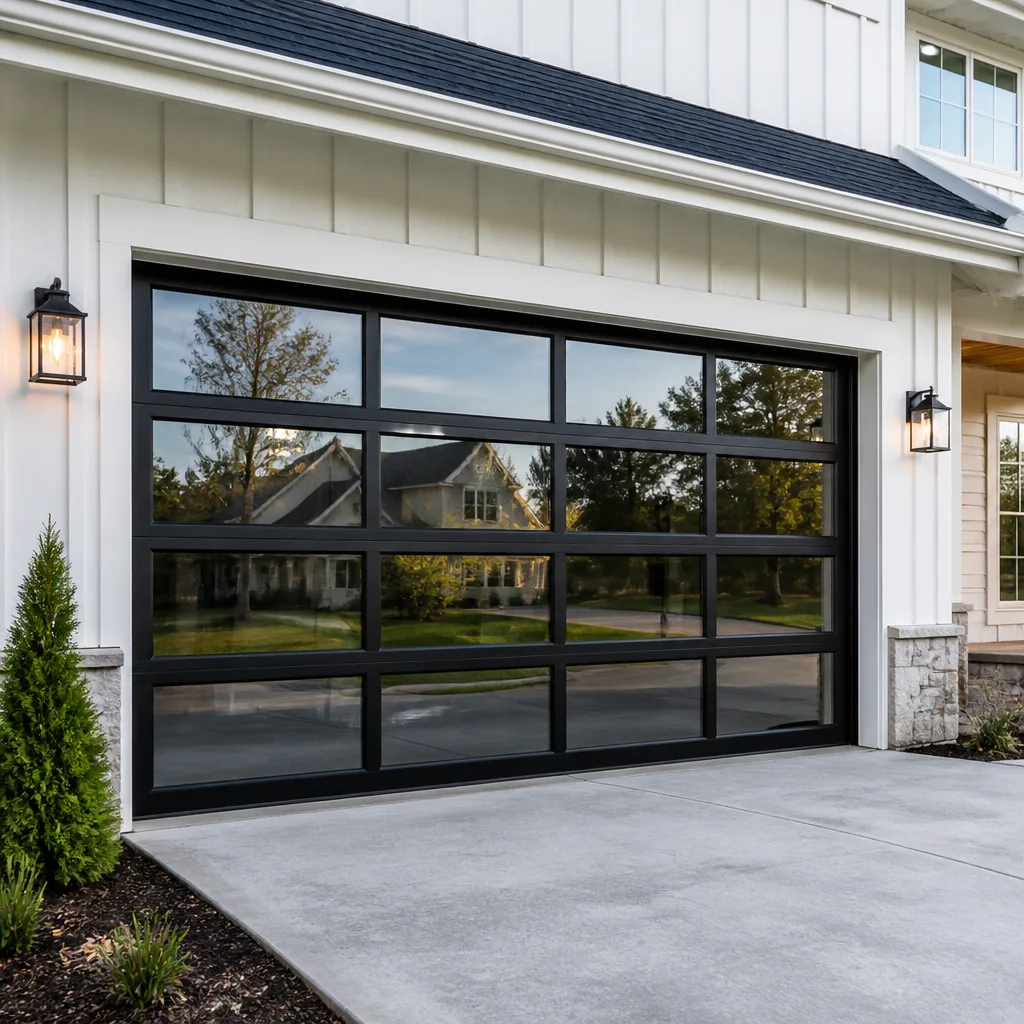 Full-view glass
 LiftMaster openers
 Chamberlain openers
Full 25-point door and opener safety check with every visit - springs, cables, rollers, tracks, and your LiftMaster or Chamberlain opener included
You get a price before we start. It does not change when the pro arrives.
Get your free estimateGarage Door Permits, Codes & Inspections in Long Beach, NY: What You Need to Know
A garage door swap feels like a no-permit job. You’re not adding a room or pouring a foundation, so why would the city care? Then a buyer’s inspector walks the property and flags an unpermitted structural modification on a home sitting in a flood zone, and the closing stalls while paperwork gets sorted out. Most Long Beach homeowners never learn the permit rules until that moment, and by then the fix is slower and more expensive than a phone call would have been. This guide covers when Long Beach, NY actually requires a building permit for garage door work, how the flood zone rules shape what gets installed, what an inspection looks like, and how to keep a future sale from tripping over a door.
Quick Answer
In Long Beach, NY, a full garage door replacement, a new opening, or any change to the door’s structural anchoring or header almost always requires a building permit through the City of Long Beach Building Department. Simple repairs like a broken spring, a snapped cable, roller replacement, or opener work typically don’t. Because much of Long Beach sits in a mapped flood zone and the door is part of the building envelope, plan on permit review and an inspection for anything that changes the door, its size, or how it attaches to the house.
Styles & brands we work with
- Raised-panel steel
- Carriage house
- Modern flush
- Full-view glass
- LiftMaster openers
- Chamberlain openers
Table of Contents
- When does garage door work need a permit in Long Beach, NY?
- Repair vs. replacement vs. new opening: three different permit paths
- How Long Beach’s flood zone designation affects door and anchoring requirements
- The NY State Energy Conservation Construction Code and insulated doors
- What a typical garage door inspection involves
- How long permits take and what the process looks like
- How unpermitted garage door work shows up in a home sale
- Common mistakes to avoid
When does garage door work need a permit in Long Beach, NY?
A permit is generally required when you replace a garage door or change anything structural about the opening. Swapping a door for one of a different size or weight, cutting a new opening, altering the header, replacing the jamb framing, or changing how the door anchors into the wall all cross into structural territory. Those jobs change the load path of the wall and the way the door resists wind, which is exactly what the building department reviews.
Repairs are a different category. A door that won’t open because a torsion spring snapped, a bent section, a frayed cable, or a misaligned track is a maintenance fix, not a structural change, and those jobs don’t normally require a permit. Neither does replacing a worn opener, though a licensed professional who understands the brand matters for the electronics. In our experience, the confusion comes from homeowners bundling a repair with a door replacement in the same project and assuming the whole job is exempt. It isn’t. The replacement portion still needs the permit.
Long Beach has its own building department and its own fee schedule, separate from Nassau County’s permitting structure, so the rules here aren’t identical to what a homeowner in another nearby village may have been told. If you’re unsure which side of the line your job falls on, the fastest answer is a direct question to the Long Beach Building Department. Ask specifically whether a door replacement of the same size, with the same headroom, needs a permit or just a minor work permit. That single question shapes the rest of the project.
- Permit typically required: full door replacement, new opening, size or weight change, header or jamb alteration, structural anchoring changes.
- Permit typically not required: spring replacement, cable repair, roller and hinge replacement, track realignment, opener swap, weather seal replacement.
- Ask the city: any job where the door, opening, or attachment method changes, and any job in a mapped flood zone where the door is part of the flood-resistant envelope.
If your door is failing and you’re deciding between repair and replacement, that decision is where the permit question actually lands. A garage door repair that restores the existing door keeps you on the repair side of the line. A full replacement moves you into permit territory, so plan the timeline around it rather than discovering it mid-project.
Repair vs. replacement vs. new opening: three different permit paths
The permit path depends on which of three categories your job falls into, and the requirements scale accordingly. Knowing the category before you call a contractor saves you from a surprise later.
- Repair. Restoring the existing door to working condition. Spring, cable, roller, hinge, track, and opener work. Generally no permit. This is the category most Long Beach calls fall into, since most failures are mechanical.
- Replacement. Removing the existing door and installing a new one in the same opening. Almost always requires a permit, because the new door’s weight, wind rating, and anchoring need to be verified against the opening and the wall.
- New opening or enlargement. Cutting a new garage opening, widening an existing one, or changing the header. Requires a permit with structural review, and often a set of drawings. This is the most involved path and the one most likely to need a licensed designer or engineer.
Homeowners in Long Beach often replace a door on a home where the opening has settled or a previous owner modified it. In those cases the “replacement” is really a repair of the opening plus a new door, which pushes the job toward the permit path even if the door itself is the only part you thought you were buying. The building department will want to see how the new door anchors into the existing structure, especially on homes where the header has been altered.
An opener replacement sits in the repair category regardless of brand. Whether the door carries a LiftMaster or a Craftsman, swapping the operator is a mechanical and electrical service, not a structural modification. If you’re weighing a repair against a replacement, a garage door opener repair is the lighter-touch path when the door itself is sound and only the operator has failed.
How Long Beach’s flood zone designation affects door and anchoring requirements
Much of Long Beach sits in a mapped flood zone, and large parts of the city are designated AE zones. That designation matters for a garage door more than most homeowners expect, because a garage door is one of the largest openings in the building envelope. In flood-prone areas, the door, its framing, and its anchoring are reviewed for how they hold up under wind load and how the structure resists water intrusion. A door that was installed years ago to whatever standard existed then may not meet the requirements now attached to the property.
This is where unpermitted work creates the most friction. A replacement door that was never inspected leaves no record of whether it meets the wind load and anchoring requirements tied to the flood zone. When a future buyer’s lender or inspector asks for documentation, there’s nothing to produce. The exposure isn’t hypothetical for a Long Beach homeowner: it shows up at sale, at refinance, or after a storm when an insurer wants proof the envelope meets current standards.
The practical takeaway isn’t that every door job becomes a floodplain review. It’s that a replacement in a mapped zone is more likely to need permit review than the same job inland, and the anchoring details matter. A door rated for wind load but anchored into a header that wasn’t built for it doesn’t meet the intent of the requirement, and an inspector will catch that. Professional installation matters here in a way it doesn’t on a standard repair; the door’s anchoring is part of the building envelope, and the trained technician installing it needs to get the fastening and framing right, not just hang the door.
- AE zone: a mapped flood zone with a base flood elevation; garage door and envelope details are reviewed with the flood zone in mind.
- Wind load: replacement doors in these areas need to be rated and anchored to resist the design wind pressure for the site.
- Anchoring: the door’s attachment to the header, jamb, and sill is part of the review, not an afterthought.
- Documentation: permitted and inspected work leaves a record a future buyer or insurer can rely on.
The NY State Energy Conservation Construction Code and insulated doors
New York State’s Energy Conservation Construction Code applies to garage door replacements on conditioned or attached garages, and it’s a requirement a lot of homeowners never hear about until a permit reviewer raises it. An attached garage shares a wall with the house. The garage door isn’t just weather protection; it’s part of the thermal boundary between the garage and the living space. When the code applies, an insulated door is part of meeting the requirement, not an upgrade you can skip.
In practice, this means a replacement door on an attached garage in Long Beach may need to be an insulated model to satisfy the energy code as it applies to the project. That’s not the same as requiring the highest-rated door on the market; it’s a floor, and the reviewer’s job is to confirm the door you install meets it. If you’re comparing doors on price alone, an uninsulated model that looks fine on paper may not clear the review, and you’ll be reordering while the opening sits empty.
We work on whatever’s on your home, and that includes doors from Clopay, Wayne Dalton, and Raynor, where the insulation options vary by model line. The right approach is to pick the door first, then confirm its insulation rating against what the code requires for your specific project before the permit is filed. Doing it in that order avoids the most common reorder we see: a door chosen for budget that has to be swapped for an insulated model once the reviewer weighs in.
An attached garage with a conditioned space behind it gets the most attention. A detached garage that isn’t part of the thermal envelope may fall outside the code’s scope for the door. When in doubt, ask the Long Beach Building Department to confirm which side of the line your project sits on before you commit to a door.
What a typical garage door inspection involves
A garage door inspection after a permitted replacement is a review of the installed condition against the approved plans and the code requirements that apply to your property. The inspector is checking whether the door, its anchoring, and the surrounding opening were installed as approved, not grading the brand or the finish.
- Verify the door matches the permit. Size, model, wind rating, and insulation should match what was submitted. An unapproved substitution is the most common reason an inspection fails.
- Check the anchoring and framing. Confirm the door is fastened into the header, jamb, and sill per the approved details, and that any framing changes were done as shown.
- Verify the safety reverse and balance. The operator’s safety reverse and the door’s balance are checked. A door that won’t reverse on an obstruction or that drifts when raised partway fails.
- Confirm clearance and the opening. The opening should be clean, the door should run without binding, and the tracks and hardware should be secure.
- Sign off and record. Once the door passes, the inspection is recorded and the permit is closed. That record is what a future buyer’s inspector will look for.
If your replacement includes a new opener, the electrical portion and the operator’s safety features get reviewed alongside the door. That’s the moment a wrong-brand operator or a miswired safety reverse surfaces, so it’s worth having the opener installed correctly the first time rather than corrected on a re-inspection. A lift system that’s been serviced properly passes; one that was rushed typically doesn’t.
Homeowners sometimes treat the inspection as a formality and let a friend or a general handyman hang the door. It usually costs more time than it saved, because the re-inspection adds a trip and the corrections add a second installation. A specialist who installs doors daily, across brands, gets the anchoring and safety checks right on the first visit.
How long permits take and what the process looks like
Permit timing in Long Beach depends on the completeness of the application and the current review queue at the Building Department, so no two projects move at the same speed. What’s predictable is the sequence, and knowing it lets you plan around the door rather than the door sitting in a crate in your garage.
- Confirm the requirements. Ask the Long Beach Building Department what’s needed for a garage door replacement in your flood zone and whether the energy code applies. This is the call that prevents most delays.
- Select the door and confirm the specs. Choose the door, confirm its size, wind rating, and insulation, and align it with what the code will require for your project.
- Submit the application. File the permit with the door specs and anchoring details. Incomplete applications are the biggest source of delay.
- Review and approval. The department reviews the application. If the reviewer asks for clarification, respond quickly; that’s the difference between a smooth approval and a long stall.
- Install the door. Once the permit is approved, the door goes in. Installation and any related work happen after approval, not before.
- Inspection and sign-off. Schedule the inspection, pass it, and close the permit. This is the step that protects the resale.
For a planned replacement, the honest timeline is measured in weeks, not hours. That’s why the speed conversation changes entirely for a new door versus a repair. A door that’s stuck open or a spring that’s snapped is a repair, and emergency response is a genuine part of what we do. A door replacement is a measured, ordered, permitted job, and the right urgency there is a free measure and a written price, not same-day installation. If you’re trying to lock in a price before the permit is filed, a free estimate gets you the number without committing the project before the door is approved.
Long Beach homes on the bay side and the ocean side often have garages on slabs that were built to older standards, and the review can surface framing or anchoring corrections that need to be made alongside the door. Build the timeline with room for that, and the project moves predictably.
How unpermitted garage door work shows up in a home sale
An unpermitted garage door replacement usually sits quietly for years, then surfaces at the worst time: when a buyer’s inspector is walking the property. In Long Beach, that inspection happens inside a mapped flood zone, which means the inspector is already looking closely at the door, its anchoring, and how it relates to the building envelope. A replacement that changed the door, the opening, or the anchoring without a permit shows up as an unrecorded structural modification, and the buyer’s lender treats it as a risk.
What follows tends to run the same way. The buyer’s inspector asks for documentation. The seller can’t produce it because there isn’t any. The transaction stalls while the seller sorts out the history, and the fix usually means pulling a permit after the fact, which can trigger a fresh review of the installed door against current requirements. In a flood zone, that review can surface anchoring or code gaps that the original installation missed, and correcting them costs more than the permit would have at the start.
The remedy path is procedural: confirm the installed door’s characteristics, submit the permit application, correct anything the review flags, and pass the inspection. It’s doable, and many homes go through it. It’s also slower and more expensive than filing before the work, and the whole delay traces back to something that a brief call to the Long Beach Building Department would have settled. The simplest way to avoid the scenario is to have a specialist confirm the door’s permit requirements before it’s hung, and to keep the permit and inspection records with the home’s paperwork.
Refinancing is the other moment this surfaces. A lender’s appraiser in a flood zone may flag a door with no record of permitting, and the borrower winds up producing documentation after the fact to close the loan.
Common Mistakes to Avoid
- Assuming a replacement is a no-permit repair. It isn’t, and treating it like one is the single mistake that causes the most trouble at resale. A door swap changes how the door anchors into the building, which is what the city reviews.
- Choosing an uninsulated door on price. On an attached garage, the energy code may require an insulated door, and a budget model that skips it can fail review and force a reorder. Confirm the insulation requirement before you commit.
- Hanging the door before the permit is approved. Filing after installation means a fresh review of the finished door against current flood zone and anchoring requirements. Approval comes first, installation second.
- Skipping the flood zone question. Long Beach’s mapped flood zones change what a garage door replacement requires. A homeowner who assumes the same rules apply inland gets surprised at the inspection.
- Substituting the door without telling the city. Installing a different size, model, or wind rating than what was submitted is the most common cause of a failed inspection. Match what was approved.
- Letting a general handyman handle the anchoring and safety checks. The door’s fastening and safety reverse are part of the review, and a specialist gets them right the first time. A rushed installation almost always needs correction.
- Losing the permit and inspection records. The record is the thing a future buyer’s inspector looks for. Keep it with the home’s paperwork, not in a drawer you’ll forget.
See the difference
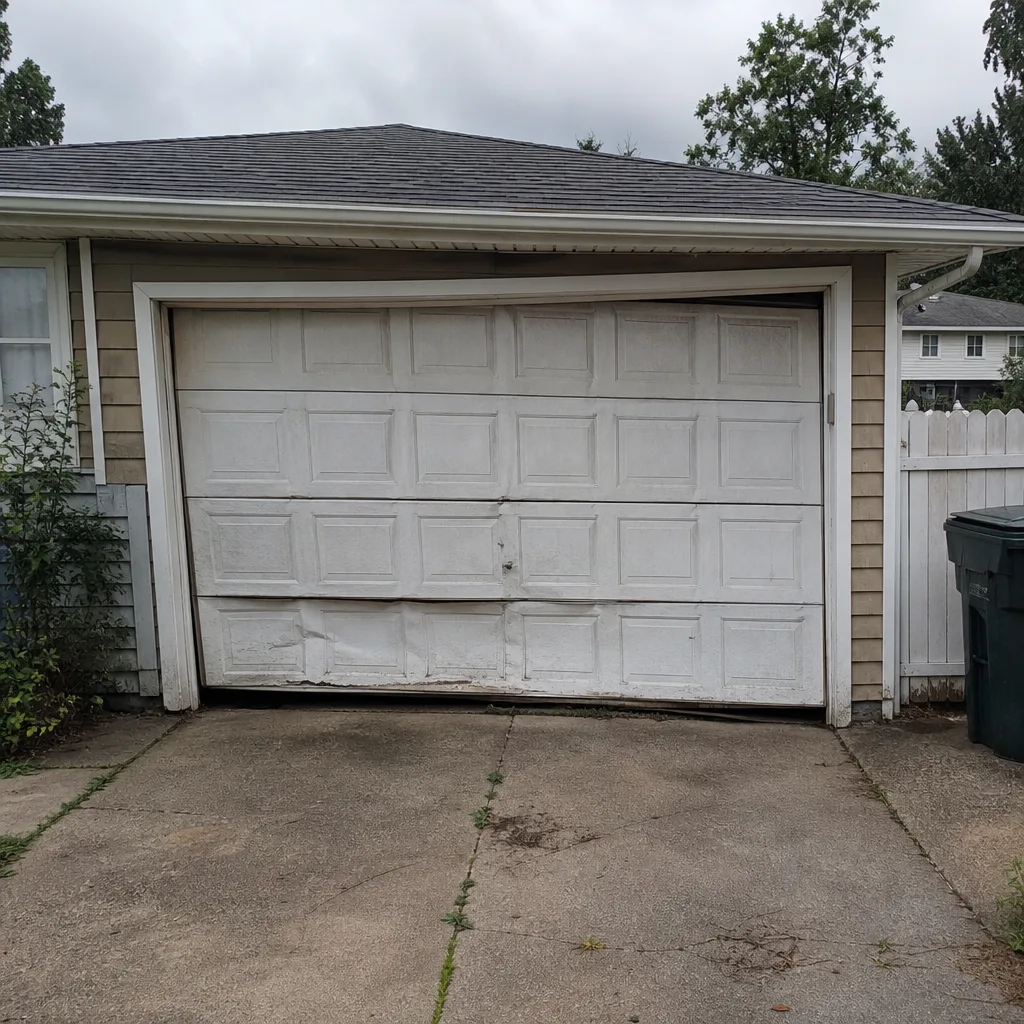 Before
 After
 Before
 After
 Before
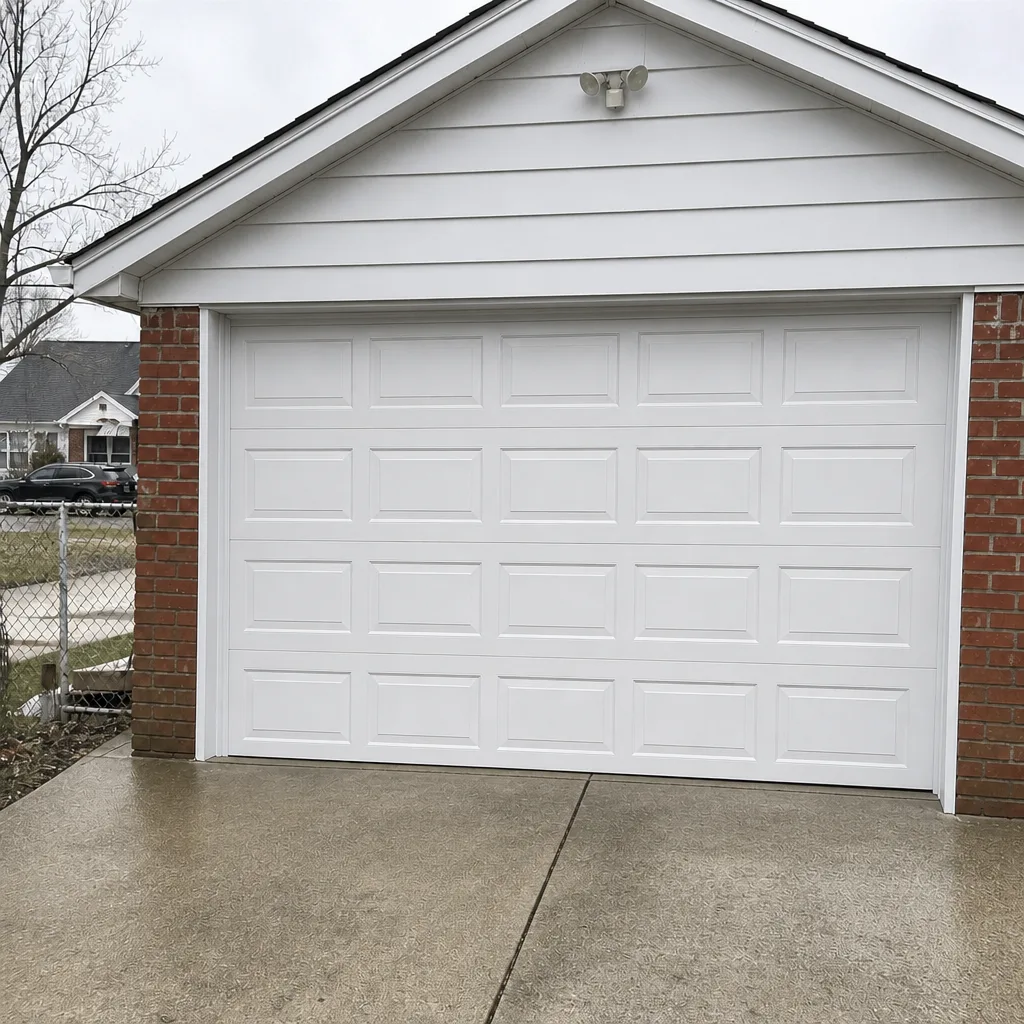 After
When to Call a Professional
Some garage door work is genuinely a safety matter, and a replacement is one of them. Torsion springs and the cables that lift the door are under tension, and the door itself is a heavy moving object with an operator that can fail on an obstruction. When a spring snaps, a cable frays, the door comes off track, or the opener won’t reverse on an obstacle, those are calls for a trained technician, not a weekend project. The same goes for any replacement that changes the door, its size, or its anchoring: that’s a permit-required structural job, and getting it right means an installer who works across the major brands and understands the code. Our technicians have up to 11 years of experience, and spring replacement done safely is a named specialty rather than an occasional job. Long Beach Garage Door Repair Pros offers free estimates in Long Beach. Call (855) 337-1762 to schedule a free measure and a written price before the permit is filed.
Frequently Asked Questions
Yes, a full garage door replacement in Long Beach, NY almost always requires a building permit through the City of Long Beach Building Department. A replacement changes the door’s size, weight, and anchoring, all of which the department reviews, and in a mapped flood zone the door is part of the building envelope. Call (855) 337-1762 for a free estimate that includes the door specs you’ll need for the permit.
No, a garage door spring, cable, roller, or opener repair doesn’t normally require a permit because it restores the existing door rather than changing the structure. The permit question only comes up when the door, opening, or anchoring changes. Spring work is also the most dangerous repair on a door, so it’s worth having a trained technician handle it; call (855) 337-1762 for a free estimate.
Much of Long Beach sits in a mapped flood zone, with large areas designated AE zones, and that designation means a replacement door needs to meet wind load and anchoring requirements tied to the site. The door, its framing, and its attachment to the header and jamb are reviewed with the flood zone in mind. A permit and inspection leave a record that protects the sale of the home later; call (855) 337-1762 for a free estimate.
Yes, an unpermitted garage door replacement can stall a sale when the buyer’s inspector flags an unrecorded structural modification, especially in a flood zone. The seller usually has to pull a permit after the fact, which triggers a fresh review of the installed door against current requirements. Filing the permit before the work avoids the delay entirely; call (855) 337-1762 for a free estimate before you replace.
A garage door permit in Long Beach takes as long as the review queue and the completeness of the application allow, so the timeframe varies by project and isn’t something we can pin to a set number of days. Filing a complete application with the door’s size, wind rating, and anchoring details is the biggest factor in a smooth approval. Ask the City of Long Beach Building Department for the current timeline before you order the door, then call (855) 337-1762 for a free estimate.
A repair restores the existing door and generally needs no permit, while a replacement installs a new door and almost always requires one. The dividing line is whether the job changes the door, its size, or how it attaches to the building. If your job change would shift that line, a licensed professional can walk you through it; call (855) 337-1762 for a free estimate.
The Bottom Line
A garage door replacement in Long Beach, NY is a permit-required structural change, not a repair, and the city’s mapped flood zones make the door’s wind load and anchoring part of what gets reviewed. Insulated doors may be required on attached garages under the NY State Energy Conservation Construction Code. The permit and inspection process protects you at resale, and unpermitted work has a way of surfacing at the worst possible moment. The fix is simple: confirm the requirements with the Long Beach Building Department before you order the door, choose a specialist who installs across the major brands and gets the anchoring right, and keep the records. If you’re not sure which side of the line your job falls on, that’s what we’re here for. Whether it’s a spring that snapped or a door you’re replacing, we work on whatever’s on your home.
Check the rest of our Long Beach Garage Door Repair Pros guide, and if the door needs attention before the paperwork is sorted, our garage door spring repair team is the right call for a safe, correct fix.
Contact Long Beach Garage Door Repair Pros for a free estimate in Long Beach. The work is measured, ordered, and priced in writing before anything starts, so you know the number before you commit. Call (855) 337-1762 for a free estimate.
Written by the team at Long Beach Garage Door Repair Pros.